

• KGS/USD = 0.01144 0%
  • KZT/USD = 0.00213 0%
  • TJS/USD = 0.10562 0%
  • UZS/USD = 0.00008 0%
  • TMT/USD = 0.28530 0%
  • KGS/USD = 0.01144 0%
  • KZT/USD = 0.00213 0%
  • TJS/USD = 0.10562 0%
  • UZS/USD = 0.00008 0%
  • TMT/USD = 0.28530 0%
  • KGS/USD = 0.01144 0%
  • KZT/USD = 0.00213 0%
  • TJS/USD = 0.10562 0%
  • UZS/USD = 0.00008 0%
  • TMT/USD = 0.28530 0%
  • KGS/USD = 0.01144 0%
  • KZT/USD = 0.00213 0%
  • TJS/USD = 0.10562 0%
  • UZS/USD = 0.00008 0%
  • TMT/USD = 0.28530 0%
  • KGS/USD = 0.01144 0%
  • KZT/USD = 0.00213 0%
  • TJS/USD = 0.10562 0%
  • UZS/USD = 0.00008 0%
  • TMT/USD = 0.28530 0%
  • KGS/USD = 0.01144 0%
  • KZT/USD = 0.00213 0%
  • TJS/USD = 0.10562 0%
  • UZS/USD = 0.00008 0%
  • TMT/USD = 0.28530 0%
  • KGS/USD = 0.01144 0%
  • KZT/USD = 0.00213 0%
  • TJS/USD = 0.10562 0%
  • UZS/USD = 0.00008 0%
  • TMT/USD = 0.28530 0%
  • KGS/USD = 0.01144 0%
  • KZT/USD = 0.00213 0%
  • TJS/USD = 0.10562 0%
  • UZS/USD = 0.00008 0%
  • TMT/USD = 0.28530 0%

Viewing results 1 - 6 of 6

Digital Tenge: Kazakhstan Becomes a Testing Ground for Programmable Money

While developed economies from the Federal Reserve to the European Central Bank, continue to debate the risks of introducing central bank digital currencies (CBDCs), Kazakhstan has already moved into large-scale commercial deployment. By early 2026, the volume of the digital tenge in circulation had reached 336.6 billion KZT (about $700 million), positioning Central Asia as a significant testing ground for programmable money for international investors and the global fintech community. The digital tenge is already being used in tax administration, subsidy distribution, and other state-backed financial operations, extending its role beyond a purely technical innovation. This is not merely a technological upgrade of the financial system, but a fundamental shift in the interaction between the state, business, and capital. Algorithms Instead of Bureaucrats For international businesses and investors, bureaucracy has long been a major barrier in emerging markets, often freezing liquidity for extended periods. The introduction of the digital tenge aims to address this by enabling faster transactions through smart contracts. One of the most notable pilot cases in 2025-2026 was the implementation of a “digital VAT” mechanism. Traditionally, exporters waited up to 90 days for value-added tax refunds, often relying on short-term borrowing to bridge cash flow gaps. With the integration of the digital tenge into tax administration, the VAT refund period has been reduced to five business days. A smart contract analyzes the digital supply chain and, if no discrepancies are identified, initiates payment automatically without the involvement of tax officials. For multinational companies, improved liquidity enhances Kazakhstan’s attractiveness as a manufacturing destination. Similar mechanisms have also been introduced for distributing government business subsidies through development institutions. Financial Bridge: The Digital Silk Road Bypassing SWIFT The current international money transfer system remains relatively slow and costly, as transactions pass through multiple intermediary banks, each charging fees. Under sanctions pressure, such transfers may also carry additional risks. In this context, the role of the digital tenge extends beyond the domestic market. Kazakhstan is positioning its CBDC as a tool that could reshape the architecture of Eurasian trade. Research by the Bank for International Settlements suggests that digital currencies can significantly accelerate cross-border payments. Given Kazakhstan’s substantial trade with China, which is advancing its digital yuan (e-CNY), the creation of direct digital payment corridors between the two countries appears increasingly plausible. For global markets, this could enable near-instant, round-the-clock settlements between Asia and Europe, reducing reliance on traditional systems such as SWIFT. Kazakhstan is thus seeking to position itself as an emerging digital financial hub, with the potential to lower transaction costs and mitigate certain external risks. The Flip Side of the Digital Coin One of the most debated aspects of Kazakhstan’s digital currency initiative is the level of transparency enabled by “coloring” (or marking) technology. This system allows authorities to track how funds are used and ensure they are spent for their intended purpose. If budget funds are allocated for infrastructure or agricultural equipment, their use can be limited accordingly. At the macroeconomic level, this could help reduce Kazakhstan’s...
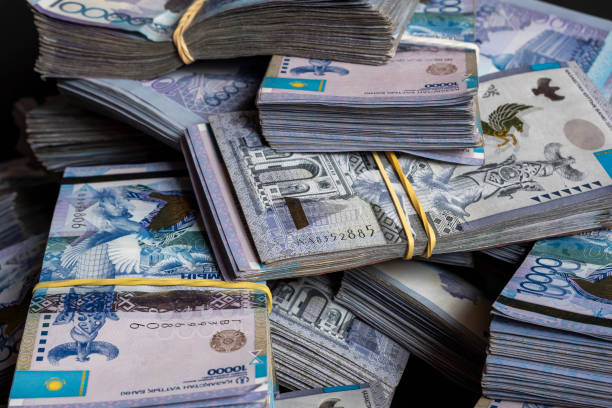

Kazakhstan Accelerates Shift Away from Cash Payments

Kazakhstan is rapidly embracing cashless payments, with the share of cash withdrawals in card transactions continuing to decline each year, according to data from the National Bank. While the country has not yet reached the levels seen in leading digital economies, recent trends suggest Kazakhstan is closing the gap. A recent study by analysts at Finprom.kz compares Kazakhstan’s transition to cashless payments with global trends. It highlights the persistent divide between countries where cash is nearly obsolete and those where it remains dominant. The global variation is illustrated by the Cash Index, compiled by FOREX.se, which ranks 122 countries based on the share of daily transactions made with cash. Using data from Statista, Numbeo, central banks, and other global sources, the index offers an average estimate of cash usage across the world. According to the Cash Index, countries with the lowest rates of cash use, just 10%, include South Korea, Norway, China, Iceland, and Australia. Similarly low figures are reported for Scotland, England, and Denmark (12% each). Analysts attribute this to strong fintech ecosystems, widespread broadband internet, high smartphone penetration, and robust consumer protection frameworks. In contrast, cash remains dominant in countries where poverty, limited banking access, and weak infrastructure prevail. In Myanmar, daily cash transactions account for 98% of all payments, followed by Ethiopia and Gambia at 95%. Other high-cash-use countries include Albania, Cambodia, Laos, Lebanon, Nepal, and Pakistan, all averaging around 90%. While Kazakhstan is not included in the Cash Index due to its tourism orientation, National Bank statistics provide insight into local trends. From January to October 2025, cash withdrawals via Kazakhstani and foreign payment cards totaled $44.37 billion, an 8.6% increase compared to the same period in 2024. Yet the overall trend favors non-cash transactions. The share of cash withdrawals in total card turnover fell from 13.5% to 12.9% over the year, comparable to figures seen in developed economies. By contrast, in 2019, cash accounted for more than half of card-based transactions. This dropped to 34.1% in 2020 and has continued its steady decline. Regional data reveal that the shift to cashless payments is uneven across the country. In January-October 2025, the share of cash withdrawals in total card transactions ranged from 8.3% to 27.4%, depending on the region. The lowest shares were recorded in the Almaty region (8.3%), Almaty city (9%), and the Turkestan region (9.4%). Astana and the Atyrau region followed with 14.4% and 14.8%, respectively. The North Kazakhstan region reported the highest share of cash withdrawals.