• KZT/USD = 0.00223
  • TJS/USD = 0.10860
  • UZS/USD = 0.00008
  • TMT/USD = 0.29850
  • KZT/USD = 0.00223
  • TJS/USD = 0.10860
  • UZS/USD = 0.00008
  • TMT/USD = 0.29850
  • KZT/USD = 0.00223
  • TJS/USD = 0.10860
  • UZS/USD = 0.00008
  • TMT/USD = 0.29850
  • KZT/USD = 0.00223
  • TJS/USD = 0.10860
  • UZS/USD = 0.00008
  • TMT/USD = 0.29850
  • KZT/USD = 0.00223
  • TJS/USD = 0.10860
  • UZS/USD = 0.00008
  • TMT/USD = 0.29850
  • KZT/USD = 0.00223
  • TJS/USD = 0.10860
  • UZS/USD = 0.00008
  • TMT/USD = 0.29850
  • KZT/USD = 0.00223
  • TJS/USD = 0.10860
  • UZS/USD = 0.00008
  • TMT/USD = 0.29850
  • KZT/USD = 0.00223
  • TJS/USD = 0.10860
  • UZS/USD = 0.00008
  • TMT/USD = 0.29850
11 November 2026

Viewing results 1 - 6 of 2

Kashagan Arbitration: Tribunal Rejects $12 Billion in Kazakhstan’s Claims

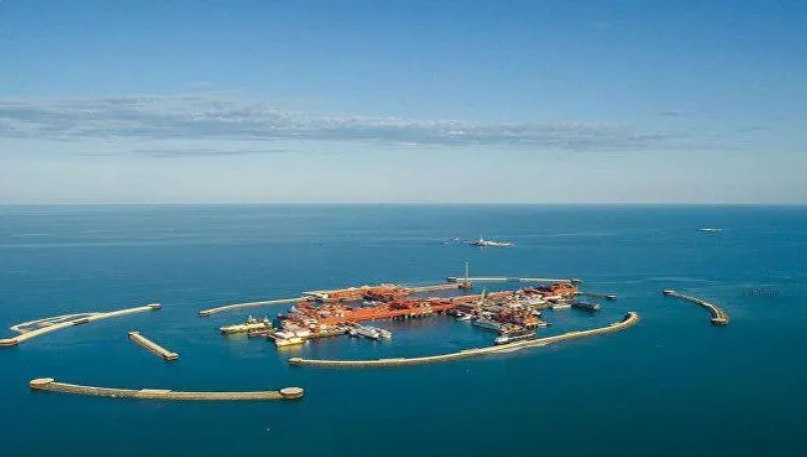
An international arbitration tribunal has rejected approximately $12 billion in claims brought by Kazakhstan against investors in the Kashagan oil field, Bloomberg reported on October 22. Citing sources familiar with the confidential proceedings, the report said the claims concerned field development costs incurred between 2011 and 2015 and were filed after the applicable deadline. Claims concerning another $8 billion in disputed costs have been allowed to proceed. Kazakhstan had sought to exclude approximately $20 billion from the costs investors are entitled to recover through oil production. The arbitrators did not examine whether the expenses covered by the rejected claims were justified. The ruling has not been made public. Kashagan is operated by North Caspian Operating Company (NCOC), whose shareholders include KazMunayGas, ExxonMobil, Eni, Shell, TotalEnergies, China National Petroleum Corporation, and INPEX Corporation. The field is located in the northern Caspian Sea. High reservoir pressure and hydrogen sulfide levels drove up construction costs and delayed the project's launch, with difficult climatic conditions compounding these problems. Production began in 2013 but was suspended shortly afterward because of gas leaks in pipelines. Operations resumed in 2016. Under the 1997 production-sharing agreement, investors recover eligible project costs through a portion of the oil produced. The remaining oil, known as profit oil, is then divided between the state and the project participants. An increase in recognized costs reduces the amount of oil available for distribution as profit. Kazakhstan is challenging costs under contractor agreements, including spending on construction work and equipment. In August, the International Consortium of Investigative Journalists (ICIJ) reported that the wider arbitration included allegations concerning about a dozen construction contracts worth $10.7 billion, awarded during the 2000s. Kazakhstan alleges that some involved inflated costs or conflicts of interest; it has also alleged bribery. NCOC says its members acted in accordance with their contracts and Kazakh law. In April 2025, ICIJ reported that Kazakhstan had brought claims totaling $160 billion against Kashagan's investors. The report also cited Kazakhstan's claim that the consortium receives approximately 98% of oil revenue after priority payments to the state under the production-sharing agreement. According to ICIJ, the proceedings are registered with the Permanent Court of Arbitration in The Hague and could continue until at least 2028. Separately, Kazakhstan is seeking to recover an environmental fine of 2.3 trillion tenge, or approximately $5.2 billion, from Kashagan's operator. The allegations concern breaches of limits on storing sulfur produced during oil and gas processing. On September 29, the authorities resumed enforcement proceedings to collect the fine. The move followed a three-week suspension while a Kazakh court considered NCOC's challenge to the enforcement process. NCOC is contesting the fine, and the project's foreign shareholders have initiated international arbitration, alleging that Kazakhstan violated its investment protection obligations. NCOC says an arbitration tribunal issued an interim order barring collection of the fine while the proceedings continue. Kazakhstan's Ministry of Justice disputes whether the order can prevent the authorities from enforcing a ruling by a Kazakh court.

Kazakhstan Pauses Collection of $5 Billion Fine from Kashagan Operator

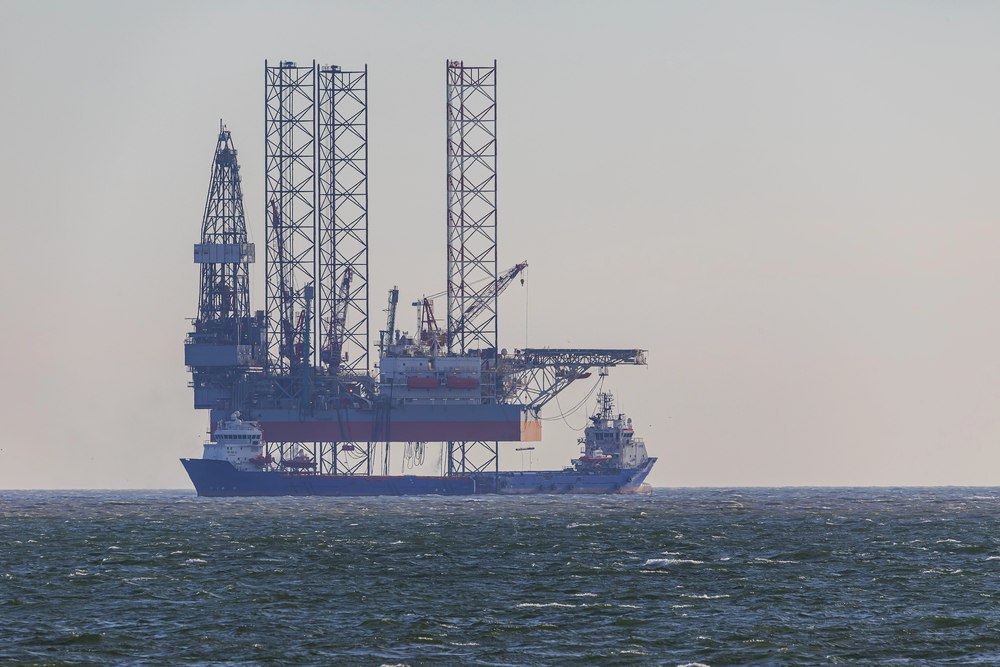
Kazakhstan has suspended enforcement proceedings to collect about $5 billion from North Caspian Operating Company (NCOC), the operator of the Kashagan oil field. The fine itself remains in force. The pause followed a new challenge by the company in a Kazakh court, and the Justice Ministry has said it intends to resume collection efforts. Enforcement proceedings involving 2.3 trillion tenge ($5.06 billion) were suspended on September 7. NCOC challenged the actions of a state enforcement officer, after which the Specialized Interdistrict Administrative Court of Atyrau Region requested the case materials. While those materials are before the court, enforcement proceedings must be suspended. Before the suspension, authorities had stepped up collection efforts. The deadline for voluntary payment expired on July 20, after which the authorities began enforcement proceedings. On July 21, NCOC’s property and vehicles were frozen. The company’s managing director, Giancarlo Ruiu, was also warned of possible administrative and criminal liability for failure to comply with the court ruling. At issue is sulfur produced as a byproduct of processing oil and gas at Kashagan. Kazakhstan’s environmental authorities accused NCOC of storing volumes exceeding the limits set by its environmental permit. The consortium rejects both the allegations and the fine. Although the authorities’ original order was overturned over procedural violations, environmental regulators subsequently issued a new one. The reissued penalty was upheld by Kazakh courts, including the Atyrau Regional Court in June 2026, allowing the authorities to move toward enforcement. The dispute also has an international legal dimension. NCOC’s foreign shareholders have challenged the penalty through international treaty arbitration. Separately, NCOC said in July that a tribunal applying the rules of the United Nations Commission on International Trade Law (UNCITRAL) had issued an interim order barring Kazakhstan from enforcing the fine while those proceedings were pending. Kazakh authorities rejected NCOC’s interpretation of the order, arguing that the commercial arbitration tribunal could not prevent the state from enforcing its environmental laws and domestic court judgments. The Justice Ministry has made clear that the current suspension stems from NCOC’s challenge to the enforcement officer in a Kazakh administrative court, rather than from the UNCITRAL order. Kashagan is one of Kazakhstan’s largest oil fields and one of the world’s biggest oil discoveries of recent decades. Recoverable reserves are estimated at 9 billion to 13 billion barrels. The field produced 18.2 million tons of oil in 2025. The project is backed by some of the world’s largest oil companies. KazMunayGas holds 16.88%, while Eni, ExxonMobil, Shell, and TotalEnergies each hold about 16.81%. CNPC owns 8.33% and Japan’s Inpex 7.56%. For Kazakhstan, Kashagan is one of its main sources of oil production and export revenue. For the international companies, the dispute is also a test of the operating environment at the country’s largest oil fields. Kazakhstan accounts for around 2% of global daily oil supply, and the Kashagan case comes amid several multibillion-dollar legal disputes between Astana and international oil companies. The environmental fine is not the only dispute surrounding Kashagan. Kazakhstan has also brought claims against investors over costs...