Avaza Summit Highlights East–West and North–South Trade Routes
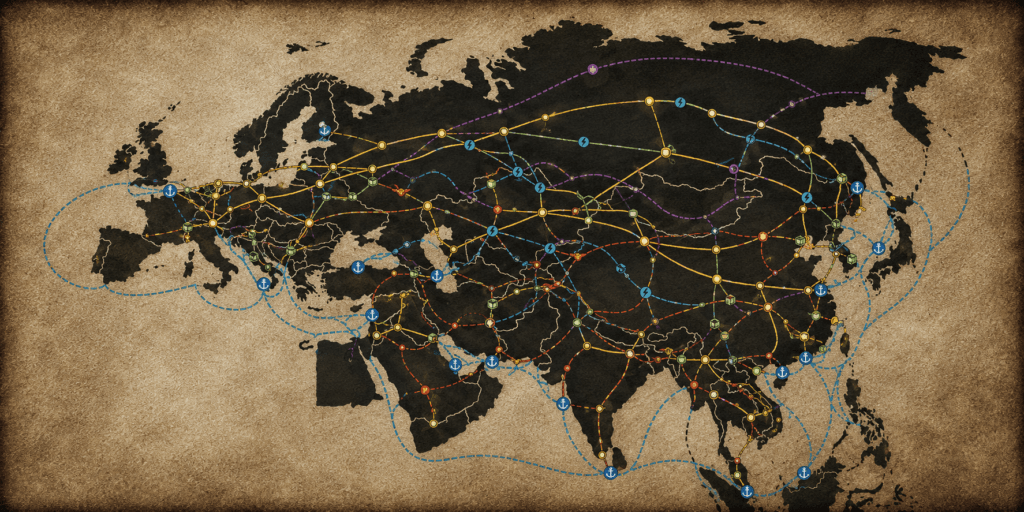
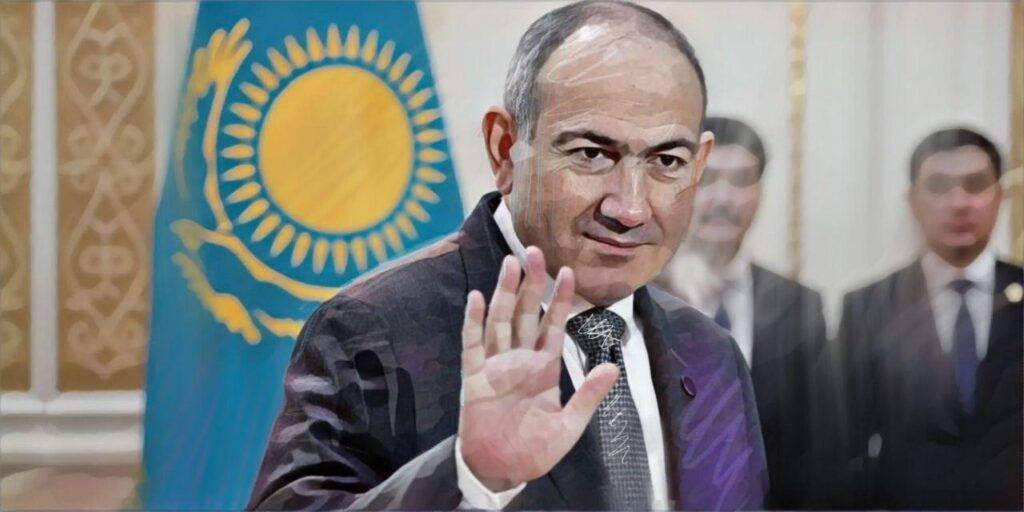
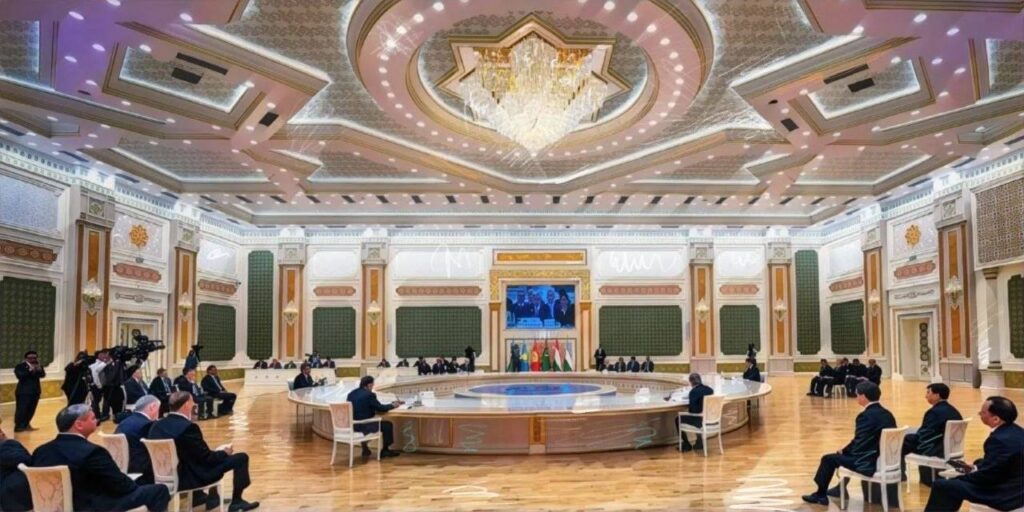
On October 8, the presidents of five Central Asian states and Azerbaijan gathered in Avaza, on Turkmenistan's Caspian coast, to discuss closer economic and political cooperation. Hosted by Turkmen President Serdar Berdimuhamedov, the annual Consultative Meeting included Azerbaijan as a full participant for the first time, extending the forum across the Caspian to the South Caucasus. The six leaders adopted a joint statement recognizing East–West and North–South transport corridors as priorities for regional development. The summit highlighted the region's growing importance in Eurasian trade and international supply chains. Beyond expanding transport networks, the leaders proposed closer industrial cooperation and cross-border investment, seeking to capitalize on their geographic advantages while preserving flexibility in their international economic relationships. Transport Corridors in Multiple Directions Turkmen President Serdar Berdimuhamedov said, "I believe it is now important to intensify negotiations and practical steps toward establishing transport and logistics connectivity along the East–West and North–South routes." He added, "The Central Asia–Caspian Sea–South Caucasus–Europe corridor should play a key role here." He also emphasized that cooperation among Turkmenistan, Azerbaijan and Kazakhstan as Caspian states could help integrate the wider Central Asian region and other countries into these transport networks. Turkmenistan remained prepared to make its Caspian infrastructure available for mutually beneficial projects. Its port at Turkmenbashi and rail connections toward Iran give it a practical role in both East–West and North–South trade. The Turkmen president's emphasis on North–South connectivity also reflects ongoing transport cooperation with Russia. In May 2026, Turkmenistan reported that Russia, Kazakhstan, Turkmenistan and Iran were working on an agreement to improve freight movement along the corridor's eastern branch. Turkmen officials also outlined preferential railway tariffs and container services linking Turkmenbashi with Russia's Olya port. Kazakh President Kassym-Jomart Tokayev also highlighted growing demand for the Middle Corridor, while emphasizing the continued importance of the North–South route. "For Kazakhstan, the North–South route in cooperation with Russia remains particularly relevant," Tokayev said. The statement is consistent with Kazakhstan's longstanding multivector foreign policy, which seeks to maintain established trade connections while expanding access to alternative transport routes. Kazakhstan, Central Asia's largest economy, occupies a strategic position at the intersection of major East–West and North–South transport routes. For the region’s landlocked economies, a wider choice of reliable routes can improve access to markets and reduce dependence on individual transit connections. Expanding the Middle Corridor Azerbaijani President Ilham Aliyev emphasized investments on both shores of the Caspian, noting that transit cargo volumes along the Middle Corridor increased by more than 10% in 2025 and by almost 20% during the first eight months of 2026. Azerbaijan has invested in ports, railways, highways and other infrastructure to facilitate trade between Central Asia and international markets. It also serves as a transit route for Kazakh and Turkmen oil exports, giving the country a growing role in connecting Central Asian producers with markets to the west. Tokayev proposed exploring the integration of the Middle Corridor with the Trump Route for International Peace and Prosperity (TRIPP), a planned transport link through Armenia connecting mainland Azerbaijan...