
• KGS/USD = 0.01144 0%
  • KZT/USD = 0.00212 0%
  • TJS/USD = 0.10569 0.09%
  • UZS/USD = 0.00008 0%
  • TMT/USD = 0.28530 0%
  • KGS/USD = 0.01144 0%
  • KZT/USD = 0.00212 0%
  • TJS/USD = 0.10569 0.09%
  • UZS/USD = 0.00008 0%
  • TMT/USD = 0.28530 0%
  • KGS/USD = 0.01144 0%
  • KZT/USD = 0.00212 0%
  • TJS/USD = 0.10569 0.09%
  • UZS/USD = 0.00008 0%
  • TMT/USD = 0.28530 0%
  • KGS/USD = 0.01144 0%
  • KZT/USD = 0.00212 0%
  • TJS/USD = 0.10569 0.09%
  • UZS/USD = 0.00008 0%
  • TMT/USD = 0.28530 0%
  • KGS/USD = 0.01144 0%
  • KZT/USD = 0.00212 0%
  • TJS/USD = 0.10569 0.09%
  • UZS/USD = 0.00008 0%
  • TMT/USD = 0.28530 0%
  • KGS/USD = 0.01144 0%
  • KZT/USD = 0.00212 0%
  • TJS/USD = 0.10569 0.09%
  • UZS/USD = 0.00008 0%
  • TMT/USD = 0.28530 0%
  • KGS/USD = 0.01144 0%
  • KZT/USD = 0.00212 0%
  • TJS/USD = 0.10569 0.09%
  • UZS/USD = 0.00008 0%
  • TMT/USD = 0.28530 0%
  • KGS/USD = 0.01144 0%
  • KZT/USD = 0.00212 0%
  • TJS/USD = 0.10569 0.09%
  • UZS/USD = 0.00008 0%
  • TMT/USD = 0.28530 0%

Viewing results 1 - 6 of 4

Cyprus as a Mirror of Turkish Geopolitics: How Ankara Uses Northern Cyprus to Project Influence in Central Asia

Northern Cyprus has become a microcosm of Turkish foreign policy, a space where Ankara combines military presence, the ideology of “Turkic brotherhood,” and economic leverage. For Turkey, this territory is not merely a long-standing geopolitical dispute but a laboratory for a new diplomatic model centered on the vision of a “great Turkic world.” As noted by Stratfor, despite the decisive victory of Republican Turkish Party leader Tufan Erhürman in the October 19, 2025, presidential elections in the self-declared Turkish Republic of Northern Cyprus (TRNC), a candidate who supports renewed negotiations with the Republic of Cyprus and advocates for a federal model, Ankara has shown no intention of revising its entrenched two-state doctrine. Analysts suggest Turkey may apply economic pressure and diplomatic isolation, including suspension of subsidies and credit lines, should Erhürman attempt to implement a federal solution. Concurrently, Turkey is lobbying for the TRNC’s recognition within the Organization of Turkic States (OTS), aiming to set a symbolic precedent: if Turkic-speaking nations will not support each other, who will? For Central Asia, this initiative reflects Ankara’s commitment to unifying the Turkic world under its political leadership, extending far beyond cultural solidarity. Political Implications for Central Asia Turkey’s push to incorporate the TRNC into the OTS shifts the organization from a cultural bloc to a geopolitical instrument. Should Northern Cyprus gain observer status, Ankara will likely expect symbolic support from its Turkic partners. This poses a significant dilemma for Central Asian states. Aligning with Turkey could be perceived by Western actors as a breach of international law, while maintaining neutrality might be viewed as a rejection of Turkic unity. Kazakhstan, Uzbekistan, and Turkmenistan have so far emphasized adherence to international law and sovereignty. At the April 2025 EU-Central Asia summit in Samarkand, these states jointly reaffirmed UN Security Council resolutions from the early 1980s, which declared the TRNC’s independence and all related separatist actions legally invalid. Kyrgyzstan may face a more delicate challenge due to its deep humanitarian and educational ties with Turkey. Northern Cyprus thus serves as a litmus test for Turkic integration: how closely can nations align without compromising their political autonomy? Economic and Energy Dimensions Cyprus plays a strategic role in Turkey’s energy policy, linking the Caspian region, the Caucasus, and the Eastern Mediterranean. Turkish control over Northern Cyprus bolsters its influence over maritime logistics, offshore gas development, and export corridors. This holds direct relevance for Central Asia. A stronger Turkish position in the Mediterranean enhances its leverage over energy transit routes from the Caspian to Europe, particularly in relation to the Trans-Caspian pipeline and the Middle Corridor. Over time, Ankara is expected to use energy infrastructure as a tool for political engagement, promoting an “economy of Turkic solidarity”, offering mutual benefits, but often tied to strategic conditions. Security and Military Presence The TRNC functions as a prototype for Turkey’s military protectorate model, a way to retain control while presenting itself as a guarantor of stability. This model is echoed across the Turkic region through Turkey’s expanding military partnerships...

Central Asia Creates a Rift in the Turkic World Over Cyprus

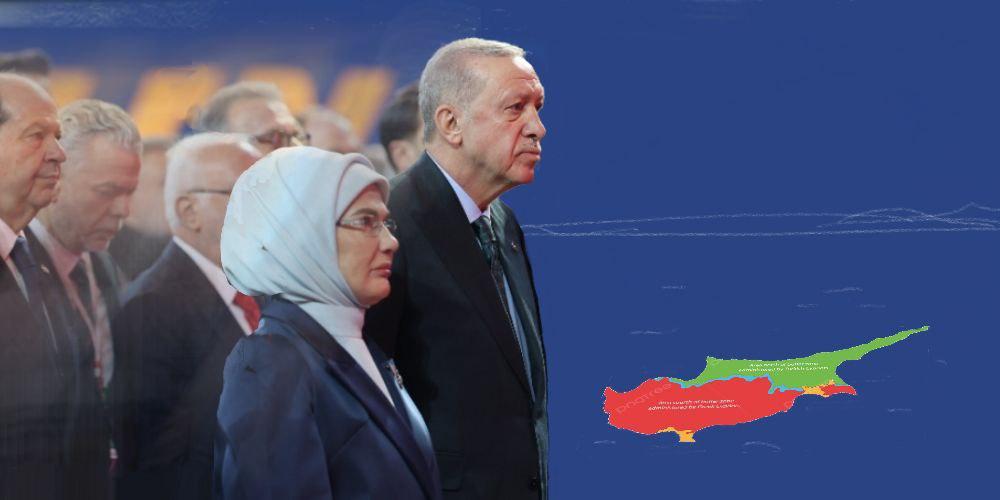
Since the beginning of the Russian invasion of Ukraine, the five Central Asian republics have been performing a very complex balancing act. In some cases, this dynamic has forced them to make difficult decisions from a geopolitical point of view. This is the case with what has happened in recent weeks regarding diplomatic recognition of the Republic of Cyprus, a member of the European Union since 2004. Between December 2024 and the end of March 2025, Uzbekistan, Kazakhstan and Turkmenistan have each appointed diplomatic representatives in the Republic of Cyprus. Kazakhstan has decided to open its own embassy in Cyprus directly, while Uzbekistan and Turkmenistan have accredited their respective ambassadors in Italy as diplomatic representatives for the Eastern Mediterranean Island also. Looking at the calendar, it doesn't seem to be a coincidence that these decisions were taken in the weeks leading up to the first historic summit between the European Union and Central Asia at the level of heads of state and government. The fourth point of the official joint declaration issued at the end of the meeting clarifies the matter: the text clearly states the support of the parties involved - the European Union and Central Asia - for United Nations Security Council Resolutions 541 (1983) and 550 (1984). These two resolutions make it clear that the only recognized authority on the island is that of the Republic of Cyprus. In recent years, there has been no shortage of explicit references to the Cyprus issue in relations between the European Union and Central Asia. This was the case, for example, in September 2023: during a conference in Brussels, Kazakhstan, Uzbekistan, Turkmenistan, Kyrgyzstan, and Tajikistan were warned against officially accepting the Turkish Republic of Northern Cyprus (TNRT) as an observer member of the Ankara-led Organization of Turkic States (OTS). Dietmar Krissler, head of the European External Action Service's Central Asia desk, spoke of the possible “negative effects” for the Central Asian members if they were to ratify TRNT's access to the Organization as an observer. Returning to the summit held in Samarkand at the beginning of April, the President of the European Commission, Ursula von der Leyen, announced during the discussions that €12 billion would be invested in Central Asia in various sectors. By also using the prospect of these investments, the European Union's diplomatic pressure on the Central Asian republics over Cyprus has been successful. As BBC Türkçe reports, this is not just a formal declaration of intent: in the official joint statement, future cooperation is in fact closely linked to compliance with the principles contained in the two UN resolutions, a very clear position. From Turkey's point of view, however, the picture is quite different. Turkey is the only country in the world to officially recognize the TRNC, which became a self-proclaimed independent entity in 1984 after Turkey invaded part of the island in 1974. Over the years, Ankara’s pressure has succeeded in preventing relations between the Central Asian republics and the Republic of Cyprus from going as...