The History of Nauryz: An Ancient Festival That Continues to Unite Central Asia
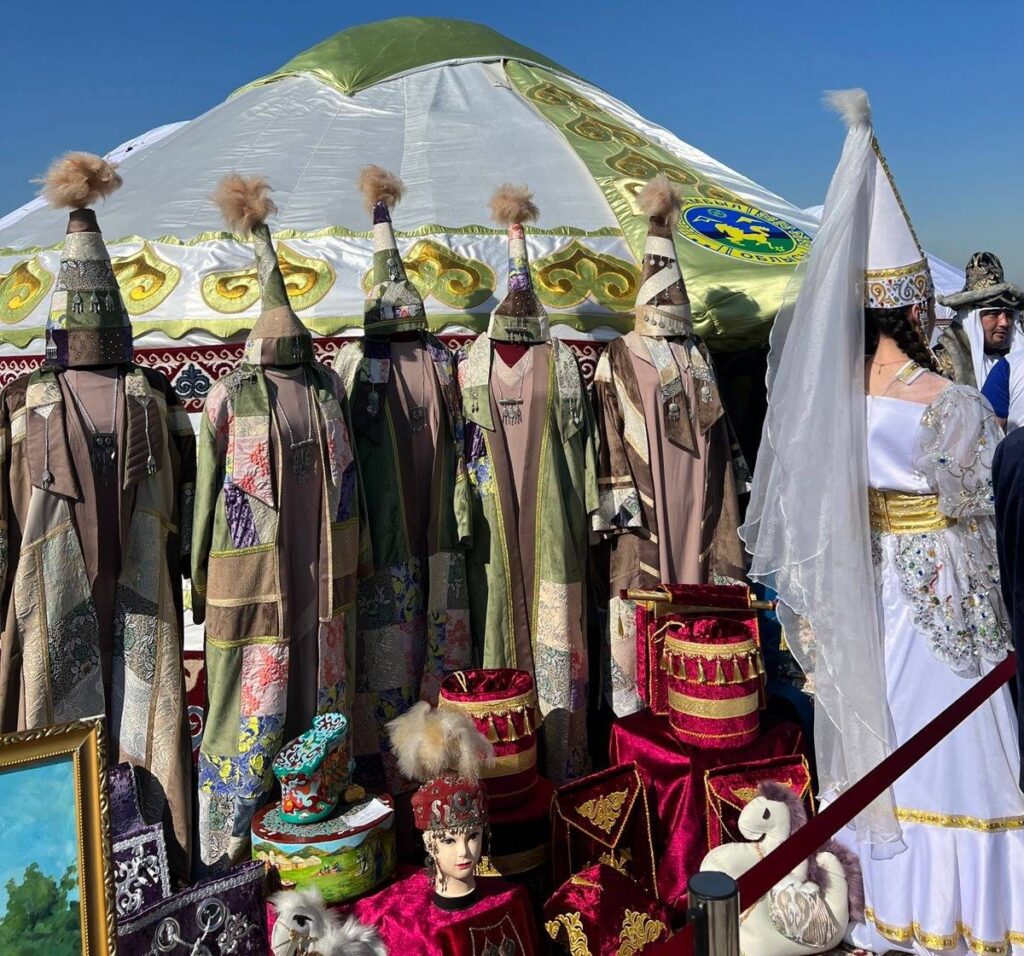
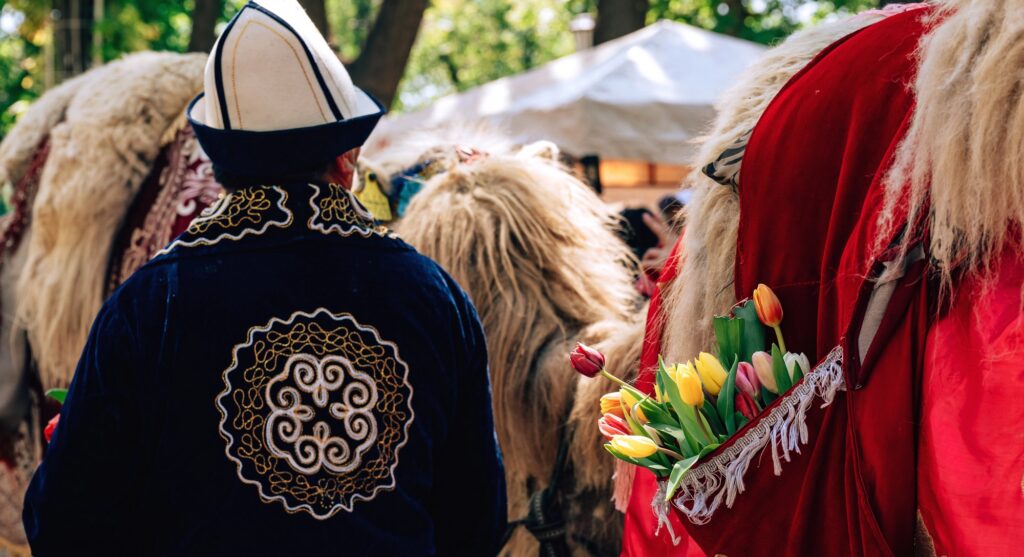
Ahead of the Nauryz holiday, The Times of Central Asia looks at the origins and enduring significance of one of the region’s oldest celebrations. More than a seasonal festival, Nauryz reflects a deep connection between people, nature, and cultural identity, a tradition that has evolved over thousands of years and remains central to life across Central Asia. Origins and Meaning Nauryz, also known as Nowruz, is one of the world’s oldest holidays, marking the arrival of spring and the beginning of a new year. It is celebrated on the day of the spring equinox, when day and night are approximately equal and nature appears to begin a new cycle. For many communities, the holiday symbolizes renewal, hope for prosperity, and the start of a new stage in life. The name “Nowruz” derives from ancient Iranian words meaning “new day.” This concept lies at the heart of the celebration: the renewal of life and the symbolic rebirth of nature after winter. With a history spanning more than 3,000 years, the holiday spread across Eurasia along the Silk Roads and became embedded in the cultural traditions of Central Asia, the Middle East, and the Caucasus. [caption id="attachment_45687" align="alignnone" width="300"] @depositphotos[/caption] Today, Nowruz is recognized not only as a calendar event but also as a cultural tradition that promotes values such as peace, mutual respect, and harmony with nature. Connection to the Spring Equinox Nauryz is traditionally celebrated during the spring equinox, which usually falls on March 20 or 21, when the Sun crosses the celestial equator and daylight and nighttime hours are nearly equal. Since ancient times, this moment has symbolized the awakening of nature and the beginning of a new agricultural year. Historical sources indicate that different communities once observed various dates in March, often guided by natural signs. Over time, however, the astronomical equinox, commonly observed on March 21, became the most widely accepted date. Medieval scholars paid close attention to this phenomenon. In the 11th and 12th centuries, astronomers such as Omar Khayyam refined calendar calculations to align the start of the year more precisely with the equinox. Alongside scientific knowledge, traditional methods were also used to forecast harvests and weather conditions, including observing seed germination or measuring the length of shadows before the holiday. Today, Nauryz is officially celebrated on March 21 in countries such as Kazakhstan and Uzbekistan, while UNESCO also recognizes Nowruz as marking the first day of spring. Rituals and Traditions For centuries, Nauryz has been marked by rituals symbolizing renewal, fertility, and prosperity. Among both nomadic and settled communities, it has traditionally been celebrated with public festivities, games, and family gatherings. Common customs include ritual cleansing with water, exchanging gifts, and offering food to neighbors and guests. The altybakan swing is widely regarded as a symbol of spring and joy. In some regions, the ancient practice of jumping over fire has been preserved as a purification ritual. Food plays a central role in the celebration. Although culinary traditions vary by country, they share a...