
• KGS/USD = 0.01144 0%
  • KZT/USD = 0.00205 0%
  • TJS/USD = 0.10429 0.29%
  • UZS/USD = 0.00008 0%
  • TMT/USD = 0.28490 0%
  • KGS/USD = 0.01144 0%
  • KZT/USD = 0.00205 0%
  • TJS/USD = 0.10429 0.29%
  • UZS/USD = 0.00008 0%
  • TMT/USD = 0.28490 0%
  • KGS/USD = 0.01144 0%
  • KZT/USD = 0.00205 0%
  • TJS/USD = 0.10429 0.29%
  • UZS/USD = 0.00008 0%
  • TMT/USD = 0.28490 0%
  • KGS/USD = 0.01144 0%
  • KZT/USD = 0.00205 0%
  • TJS/USD = 0.10429 0.29%
  • UZS/USD = 0.00008 0%
  • TMT/USD = 0.28490 0%
  • KGS/USD = 0.01144 0%
  • KZT/USD = 0.00205 0%
  • TJS/USD = 0.10429 0.29%
  • UZS/USD = 0.00008 0%
  • TMT/USD = 0.28490 0%
  • KGS/USD = 0.01144 0%
  • KZT/USD = 0.00205 0%
  • TJS/USD = 0.10429 0.29%
  • UZS/USD = 0.00008 0%
  • TMT/USD = 0.28490 0%
  • KGS/USD = 0.01144 0%
  • KZT/USD = 0.00205 0%
  • TJS/USD = 0.10429 0.29%
  • UZS/USD = 0.00008 0%
  • TMT/USD = 0.28490 0%
  • KGS/USD = 0.01144 0%
  • KZT/USD = 0.00205 0%
  • TJS/USD = 0.10429 0.29%
  • UZS/USD = 0.00008 0%
  • TMT/USD = 0.28490 0%

Viewing results 1 - 6 of 2

Russia Seeks to Boost Oil Transit to China via Kazakhstan

Russia has proposed increasing its oil transit to China through Kazakhstan's Atasu-Alashankou pipeline by 2.5 million tons annually, Kazakhstan’s Energy Minister Yerlan Akkenzhenov announced at a recent government briefing. The initiative was submitted by Russian pipeline operator Transneft and is currently under review by Kazakhstan-China Pipeline LLP, which oversees the Atasu-Alashankou route. The Kazakh operator is KazTransOil JSC, while the Chinese side is represented by CNODC (China National Oil and Gas Exploration and Development Corporation). “Preliminary studies have begun. We expect to soon determine whether additional oil pumping stations are required or if the increased volume can be handled using specialized additives,” Akkenzhenov said. The Atasu-Alashankou pipeline spans 965 kilometers and has a design capacity of 20 million tons per year. It facilitates the export of both Kazakh and Russian crude to China. In 2024, roughly 10 million tons of Russian oil were transported through this route, generating an estimated $150 million in transit fees for Kazakhstan, calculated at $15 per ton. If approved, the volume of Russian oil transported via this corridor could rise to 12.5 million tons annually. Akkenzhenov also noted that Kazakhstan plans to expand oil exports via the Baku-Tbilisi-Ceyhan (BTC) pipeline. “Last year, we shipped approximately 1.4 million tons through the BTC. In 2025, we aim to increase this to 1.7 million tons. So far this year, about 800,000 tons have already been transported,” he said. The BTC pipeline, with a design capacity of 50 million tons per year, currently accommodates a Kazakh quota of 1.5 million tons. In 2022, Azerbaijan expressed willingness to raise this quota to 2.2 million tons. The prospect of increasing Kazakh oil flows through the BTC was also discussed during a bilateral meeting between President Kassym-Jomart Tokayev and Turkish President Recep Tayyip Erdoğan in Ankara.
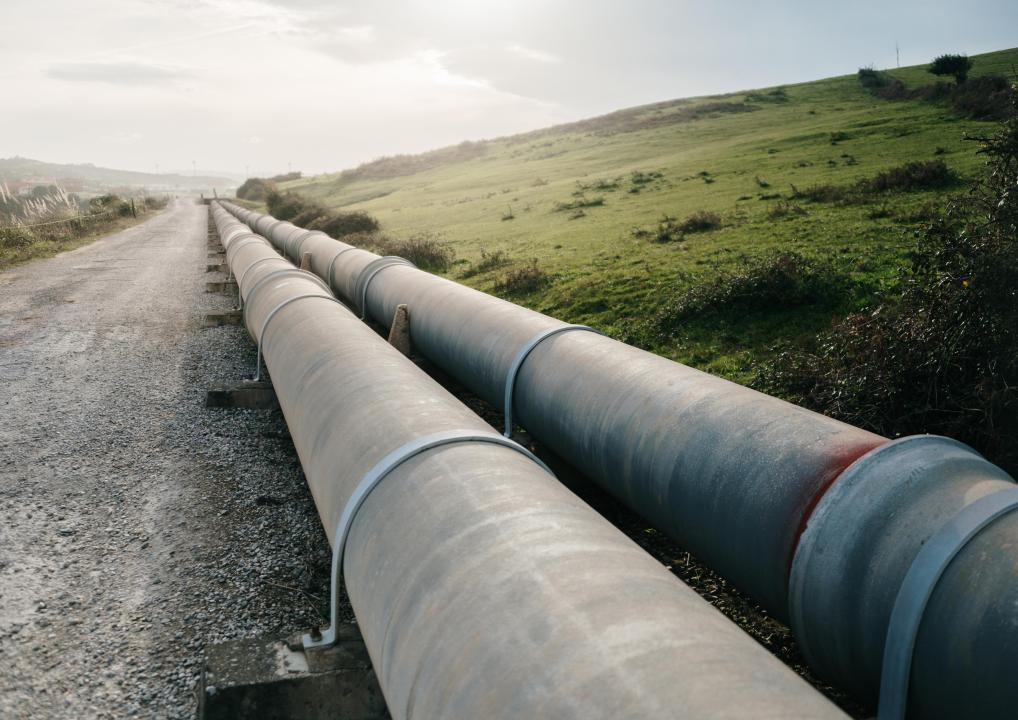

Kazakhstan to Earn $1.7 Billion from Russian Oil Transit to China

The Mazhilis of the Parliament of Kazakhstan has ratified amendments to the agreement between the Governments of Kazakhstan and Russia on the transportation of Russian oil through Kazakhstan to China. The original agreement, signed on December 24, 2013, covers the period up until January 1, 2024 but both parties have now expressed their interest in its extension to 2033. According to Kazakhstan’s Energy Minister Almasadam Satkaliev, extending the agreement for a further ten years will enable the transit 10 million tons of Russian oil per year. Approval was granted for transit tariff set at $15 per ton and between 2024 and 2033, the forecast revenue from the transit of Russian oil through Kazakhstan to China is $1.710 billion. Statistics show that from 2014 to 2023, the total transit of Russian oil through Kazakhstan to China amounted to 90,899,271 tons, providing transit revenue of $1.327 billion.