• KZT/USD = 0.00226
  • TJS/USD = 0.10830
  • UZS/USD = 0.00009
  • TMT/USD = 0.29760
  • KZT/USD = 0.00226
  • TJS/USD = 0.10830
  • UZS/USD = 0.00009
  • TMT/USD = 0.29760
  • KZT/USD = 0.00226
  • TJS/USD = 0.10830
  • UZS/USD = 0.00009
  • TMT/USD = 0.29760
  • KZT/USD = 0.00226
  • TJS/USD = 0.10830
  • UZS/USD = 0.00009
  • TMT/USD = 0.29760
  • KZT/USD = 0.00226
  • TJS/USD = 0.10830
  • UZS/USD = 0.00009
  • TMT/USD = 0.29760
  • KZT/USD = 0.00226
  • TJS/USD = 0.10830
  • UZS/USD = 0.00009
  • TMT/USD = 0.29760
  • KZT/USD = 0.00226
  • TJS/USD = 0.10830
  • UZS/USD = 0.00009
  • TMT/USD = 0.29760
  • KZT/USD = 0.00226
  • TJS/USD = 0.10830
  • UZS/USD = 0.00009
  • TMT/USD = 0.29760
27 September 2026

Viewing results 1 - 6 of 37

Tajikistan Proposes Launching Oil Refinery With Russian Tatneft

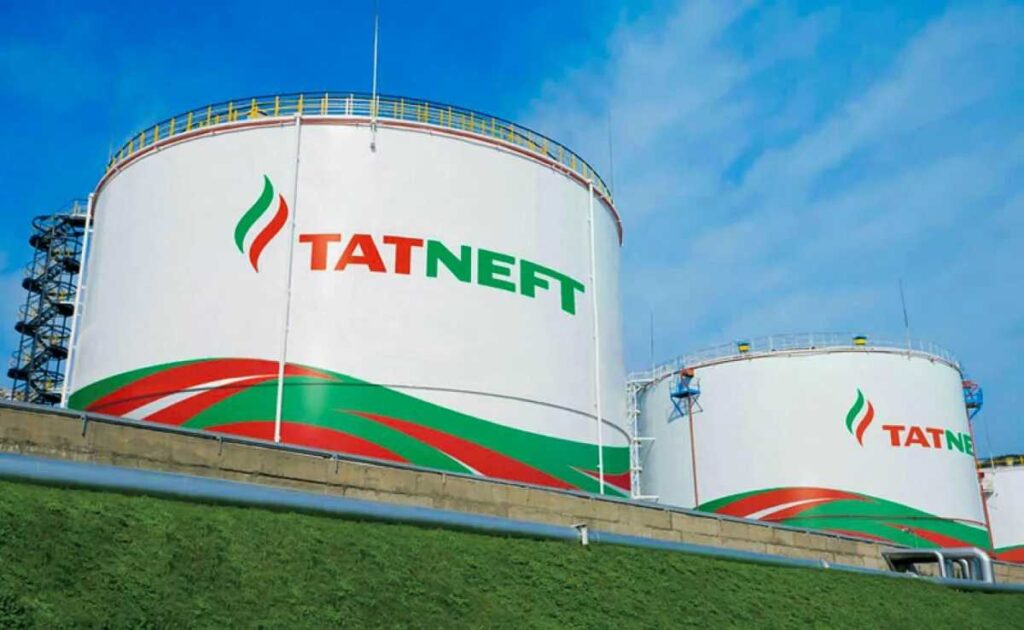
Tajikistan wants to establish cooperation with Russia's Tatneft to open an oil refinery in the Dangara free economic zone, in Tajikistan's Khatlon region. This was announced by the country’s Minister of Industry and New Technologies, Sherali Kabir, during a recent investment forum in Dushanbe between Tajik and Russian companies. “One of the most important issues that we see in the development between our countries is the improvement of our production capacities, including the production of fuel and lubricants, cooperation, and the creation of new mechanisms. If we launch this enterprise together with Tatneft, we can achieve great progress in this regard.” Kabir said. It is noted that this will help Tatneft enter the markets of Afghanistan and Pakistan. “As was said, up to 30% of Tatneft’s raw materials are exported. Bring them here (Tajikistan), process them — and imagine what a huge market the company could open up for itself. 40 million people in Afghanistan, and over 230 million in Pakistan,” Timur Yoribek, Head of the International Relations Department of the Ministry of Industry of Tajikistan, commented. According to him, Tajikistan has ideal logistics routes for this — seven bridges leading to Afghanistan, and the shortest links to the Pakistani seaports. Construction of the Dangara oil refinery began in 2014 and was completed in 2018. The plant's planned capacity is 1.2 million tons of oil per year, but the commissioning has been delayed due to a shortage of raw materials. Tajikistan produces a small amount of oil, which is not enough to supply the refineries.

New Concept Announced for the Development of Oil Refining in Kazakhstan

The Ministry of Energy of Kazakhstan has drafted a new Concept for the development of the country’s oil refining industry until 2050. The aim of the initiative is to ensure the country's energy security including a stable balance of production, consumption, and reserves in the domestic market of petroleum products, as well as a 100% supply of the domestic market’s oil products and their future exports. The previous medium-term Comprehensive Oil-Refining Development Plan provided for the reconstruction and modernization of the capacities of the Atyrau, Pavlodar and Shymkent refineries from 14 million to 17 million tons of motor fuel per year for the domestic market. The new Concept defines the basic principles and target indicators for the sustainable development of the oil refining industry until 2050, taking into account regional and global challenges, in order to provide the economy with domestic petroleum products, export domestic petroleum products, and increase the industry’s contribution to the country’s GDP. The ultimate goal of the Concept is to ensure the competitiveness of Kazakhstan’s refineries through sustainable and advanced development, attracting investments and concentrating resources in response to modern regional and global challenges.    

Uzbekneftegaz Partners With Canadian Firm Condor Energies

JSC Uzbekneftegaz and Canadian energy company Condor Energies have agreed to jointly increase output at eight producing gas condensate fields in Uzbekistan. Condor says it will use the same advanced technologies and operational methods used in Western Canada. Work is planned to start in the first quarter of 2024 after the project's feasibility study is complete. The agreement will make Condor Uzbekneftegaz's first Western strategic operating partner. That not only ensures an increase in the country's domestic natural gas supply, but will also reduce carbon dioxide emissions. The work is expected to provide a significant number of jobs in Uzbekistan. Condor Energies intends to earn a percentage of net profits by assuming all project costs. Despite the fact that Uzbekistan is introducing green technologies into its energy-production mix, natural gas remains the key source of fuel in the republic. The country's total gas reserves are estimated at almost 1.9 trillion cubic meters. Uzbekistan has 296 oil & gas fields, 122 of which belong to Uzbekneftegaz. Gas reserves in them amount to 933 billion cubic meters. The largest of these is the Mubarak field, where 33% of the aforementioned volume of gas, or about 305 billion cubic meters, is concentrated. In 2023 the country's gas production fell 9.6% year-on-year to 46.7 billion cubic meters. Uzbekistan has thus flipped from being a net exporter to a net importer of natural gas. The republic now buys gas from Turkmenistan and Russia.

Kazakhstan Freezes Transit Cost of Russian Oil To China

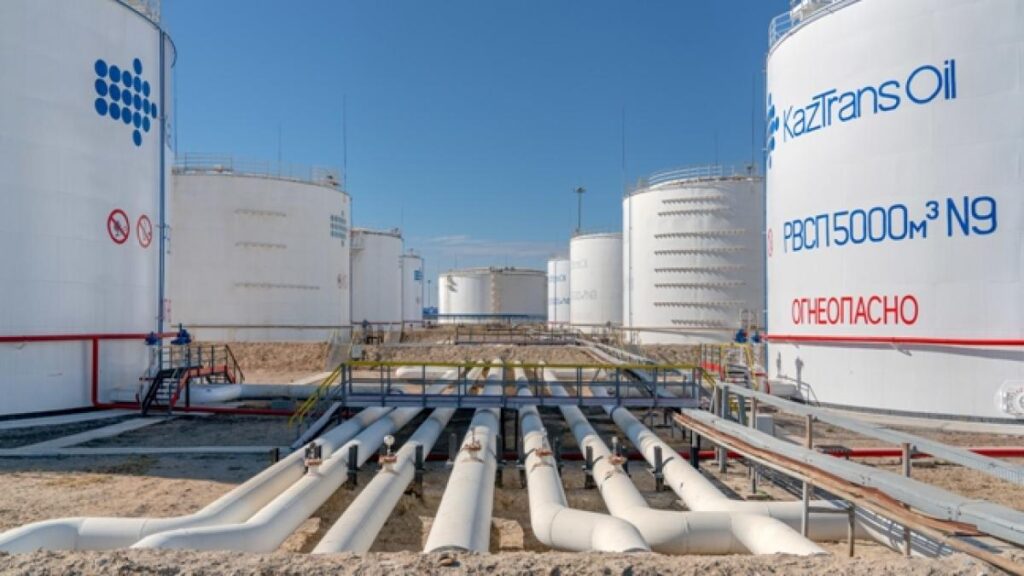
KazTransOil JSC, Kazakhstan’s national oil pipeline operator, on January 26th said it will freeze the cost of transiting Russian oil to China until 2034. Until December 31st 2033 the cost of transporting Russian oil to China through the territory of Kazakhstan will amount to $15 per ton (excluding VAT), the company said.   KazTransOil also said it has extended until December 31st 2033 its contract with Russia’s Rosneft oil company for the transportation of Russian oil through Kazakhstan to China. From 2014-2023, KazTransOil transported 91 million tons of Russian oil to China along the Atasu–Alashankou oil pipeline, which is part of the Kazakhstan-China main oil pipeline system and belongs to Kazakhstan-China Pipeline LLP, a joint venture of KazTransOil JSC (50%) and China National Oil and Gas Exploration and Development Company Ltd (50%). The design capacity of the Atasu–Alashankou pipeline is 20 million tons of oil per year. Russia has been seeking to increase its oil exports to China after western sanctions were imposed on its exports over its invasion of Ukraine. 

Croatia To Transport Kazakh Oil To European Markets

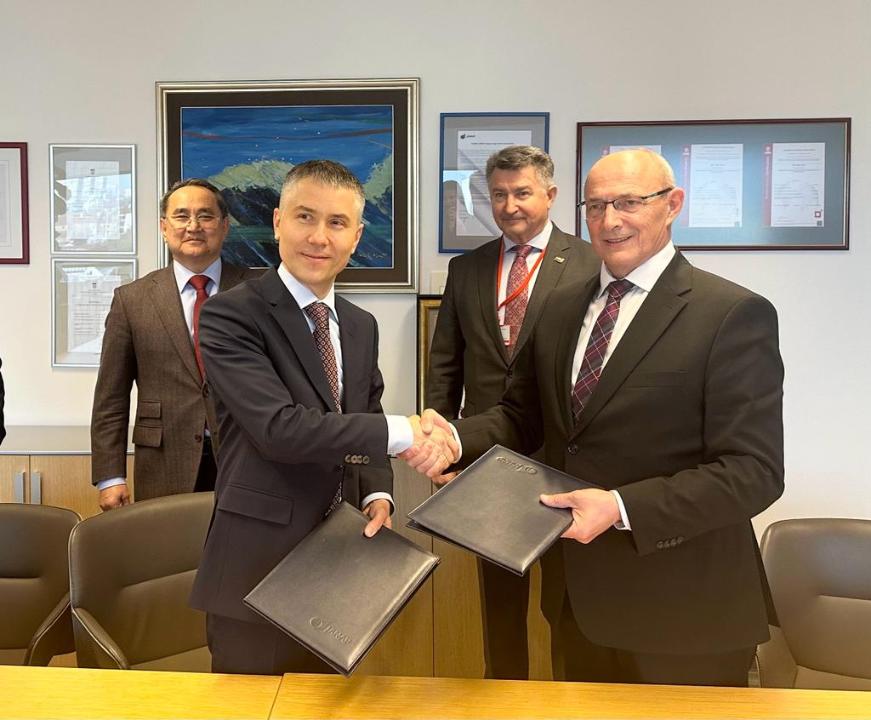
On January 24th a memorandum of understanding was signed in Zagreb, Croatia between Kazakhstan’s national oil and gas company KazMunayGas (KMG) and the operator of the Croatian oil pipeline system, Jadranski naftovod (JANAF). The memorandum was signed by the deputy chairman of KMG, Bulat Zakirov, and the chairman of JANAF, Stjepan Adanić. After the signing ceremony Mr. Adanić commented that the deal will strengthen exports of Kazakh oil to European markets. Kazakhstan's ambassador to Croatia Akylbek Kamaldinov, who attended the signing ceremony, emphasized that Kazakhstan is playing an important role in ensuring that the EU receives reliable supplies of energy resources. He noted that the partnership between KMG and JANAF will make a significant contribution to strengthening energy security. JANAF operates the oil terminal on the island of Krk and the Adria oil pipeline system in Croatia, which plays a key role in transporting oil and petroleum products to the countries of south-eastern Europe. From January-November 2023 more than $303 million worth of Kazakh oil was pumped along this route.  

Kazakhstan Increases Oil Exports Along Trans-Caspian Route

Kazakhstan Increases Oil Exports Along Trans-Caspian Route KazTransOil JSC (a subsidiary of Kazakhstan’s national oil and gas company, KazMunayGas JSC), exported 3,620,000 tons of oil from the Caspian port of Aktau in the eleven months of 2023 so far, which is 1,014,000 tons, or 50% more compared to the same period last year, the company said on December 11th. The increase in the volume of transportation of Kazakh oil for export from the port of Aktau is due to an increase in the volume of raw materials shipped towards the port of Baku, from 205,000 tons to 1,238,000 tons, a sixfold increase on the same period in 2022. In addition, in the reporting period, 1,824,000 tons of oil were shipped from Aktau towards the port of Makhachkala (Russia). In 2022, the President of Kazakhstan, Kassym-Jomart Tokayev ordered an increase in the volume of oil transportation along the Trans-Caspian corridor. In accordance with this instruction, JSC NC KazMunayGas and the state oil company of Azerbaijan, SOCAR, entered into an agreement providing for the transportation of 1,500,000 tons of oil per year from the Tengiz field in the direction of the Baku-Tbilisi-Ceyhan oil pipeline.