
• KZT/USD = 0.00221
  • TJS/USD = 0.10830
  • UZS/USD = 0.00008
  • TMT/USD = 0.29760
  • KZT/USD = 0.00221
  • TJS/USD = 0.10830
  • UZS/USD = 0.00008
  • TMT/USD = 0.29760
  • KZT/USD = 0.00221
  • TJS/USD = 0.10830
  • UZS/USD = 0.00008
  • TMT/USD = 0.29760
  • KZT/USD = 0.00221
  • TJS/USD = 0.10830
  • UZS/USD = 0.00008
  • TMT/USD = 0.29760
  • KZT/USD = 0.00221
  • TJS/USD = 0.10830
  • UZS/USD = 0.00008
  • TMT/USD = 0.29760
  • KZT/USD = 0.00221
  • TJS/USD = 0.10830
  • UZS/USD = 0.00008
  • TMT/USD = 0.29760
  • KZT/USD = 0.00221
  • TJS/USD = 0.10830
  • UZS/USD = 0.00008
  • TMT/USD = 0.29760
  • KZT/USD = 0.00221
  • TJS/USD = 0.10830
  • UZS/USD = 0.00008
  • TMT/USD = 0.29760
12 October 2026

Viewing results 1 - 6 of 3

Kazakhstan Grain Harvest Nears 20 Million Tons Despite Dry Weather

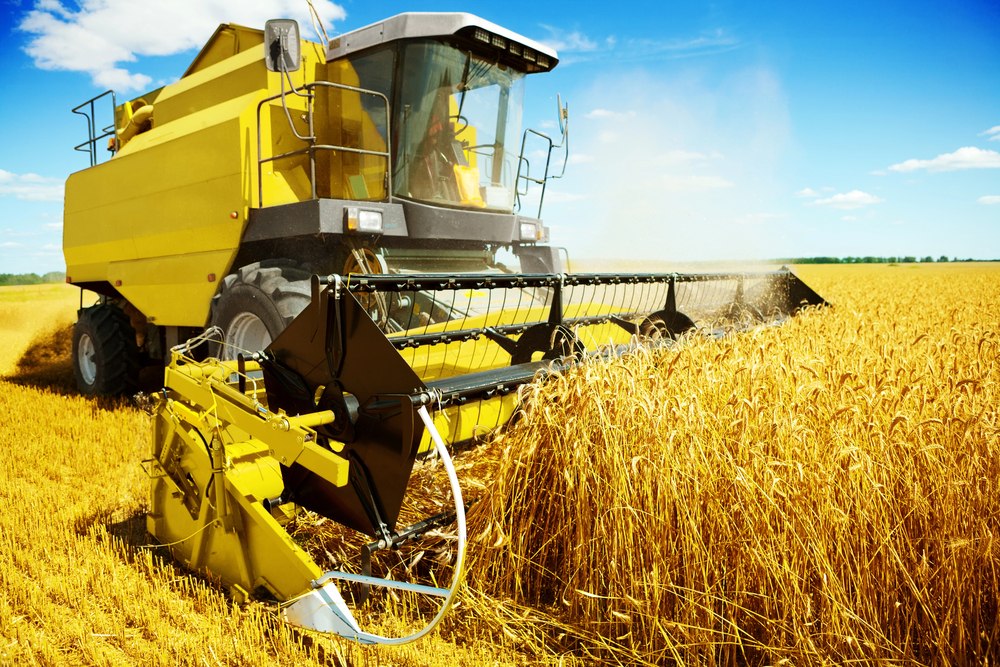
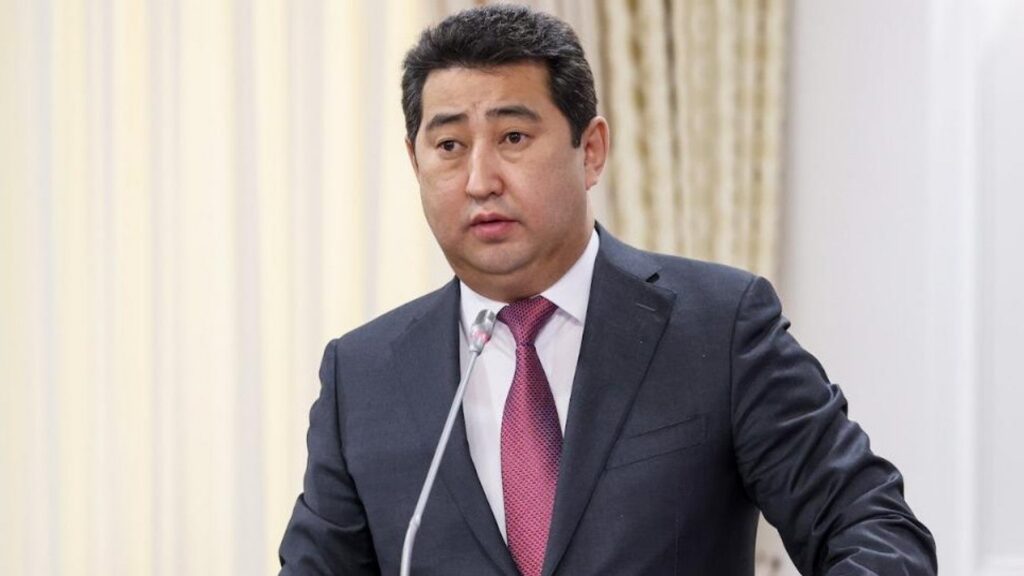
Kazakhstan had harvested nearly 20 million metric tons of grain by late September, despite periods of dry and hot weather in parts of the country’s grain belt. The Agriculture Ministry expects the final harvest to exceed the long-term average, while disruption to Russian and Ukrainian exports through the Black Sea has added uncertainty to global wheat supplies. By September 29, farmers had harvested 13.5 million hectares, or 83% of Kazakhstan’s grain-growing area, producing 19.9 million metric tons of grain at an average yield of 14.7 centners per hectare, equivalent to 1.47 metric tons per hectare. Weather conditions varied considerably during the growing season. Parts of northern and central Kazakhstan experienced insufficient rainfall, while high temperatures created additional risks in some areas. However, later assessments by Kazhydromet described spring grain crops across much of the north as generally in good or excellent condition. Deputy Agriculture Minister Azat Sultanov said that under comparable dry conditions in previous years, yields had often fallen to 8-9 centners per hectare. The average recorded by September 29 was considerably higher, although harvesting is still underway in several of the country’s main grain-producing regions. From September 2025 through July 30, 2026, exports of grain and flour in grain equivalent reached 13.9 million metric tons, according to Kazakhstan Temir Zholy data cited by the Agriculture Ministry. That was 12.6% higher than during the same period a year earlier. Uzbekistan remained the largest buyer, importing 5.8 million metric tons, while shipments to Afghanistan reached 2.4 million metric tons. Exports to Kyrgyzstan and Turkmenistan also increased. Attacks on vessels and port infrastructure have severely disrupted Russian and Ukrainian exports through the Black Sea, pushing buyers in parts of Asia, the Middle East, and Africa toward alternative suppliers. That may support demand for grain from other exporters, although Kazakhstan’s landlocked location remains a constraint. Transport costs and the capacity of rail and other export corridors have a direct impact on the competitiveness of Kazakh grain in more distant markets. The structure of Kazakhstan’s agricultural production is changing, with less land devoted to wheat and more acreage allocated to oilseeds and other crops. Farmers had harvested 2.4 million metric tons of oilseeds from 2.4 million hectares by September 29. The Agriculture Ministry forecasts a final crop of more than 5 million metric tons. Official statistics put Kazakhstan’s 2025 oilseed harvest at about 4.95 million metric tons. Cotton harvesting is also continuing in southern Kazakhstan, where water availability remains a major constraint. Sultanov said the area of cotton fields using drip irrigation had increased from about 3,000 hectares to 80,000 hectares over the past two years. By September 29, 70,500 metric tons of raw cotton had been harvested, with an average yield of 32 centners per hectare.
Kazakhstan Increases Export Revenues from Processed Agricultural Products by One-Third

Kazakhstan significantly increased exports of high value-added agro-industrial products in 2025. Revenue from exports of processed agricultural goods rose by nearly one-third compared to the previous year, according to Minister of Agriculture Aidarbek Saparov. By the end of 2025, food production reached $8.1 billion, an 8.1% increase year-on-year. Exports of processed agricultural products totaled $3.2 billion for the first 11 months of 2025, marking a 33.8% increase compared to the same period in 2024. By contrast, total exports of high value-added products in 2024 stood at $2.7 billion, with annual growth not exceeding 15%. The share of processed goods in total agro-industrial exports reached 52% in 2025. According to the Ministry of Agriculture, this reflects a systematic policy aimed at diversifying agricultural exports and shifting toward products with greater added value. The expansion of processing capacity has also increased the sector’s investment appeal. Investments in fixed capital in agriculture doubled, reaching $791.5 million. The structure of exports is also evolving. Previously, Kazakhstan exported raw lentils and imported processed groats at higher prices. Today, domestic processing and packaging facilities enable the country to fully supply the domestic market and export finished products. Kazakhstan ranks sixth globally in lentil exports and retains further growth potential. The oilseed segment has become one of the key drivers of profitability in crop production. In 2025, the oilseed harvest reached 4.9 million tons, up 48% year-on-year. Sunflower oil exports increased to 600,000 tons, placing Kazakhstan eighth globally in export volumes. To support this trend, four major projects were launched in 2024-2025 to expand and modernize oil processing plants. The projects have a combined capacity of approximately 1 million tons and a total investment value of $117 million. A lecithin production line, supplying the food and cosmetics industries, has been launched in the East Kazakhstan region. A similar facility is planned in the North Kazakhstan region. Deep grain processing is also developing. Three enterprises with a combined capacity exceeding 500,000 tons are already operating, producing gluten, bioethanol and starch products. Six additional investment projects worth $3.8 billion are scheduled for implementation over the next three years. These projects involve the production of amino acids, including glutamate, threonine, leucine and lysine, and will be located in the Turkestan, Zhambyl, Akmola and Kostanay regions, as well as in Astana. As previously reported by The Times of Central Asia, Kazakhstan has set a strategic objective for the agricultural sector to become one of the world’s three largest exporters of sunflower oil and to increase total exports of oil and fat products to $1 billion by 2028.

Kazakhstan Harvests Record Grain and Oilseed Crop

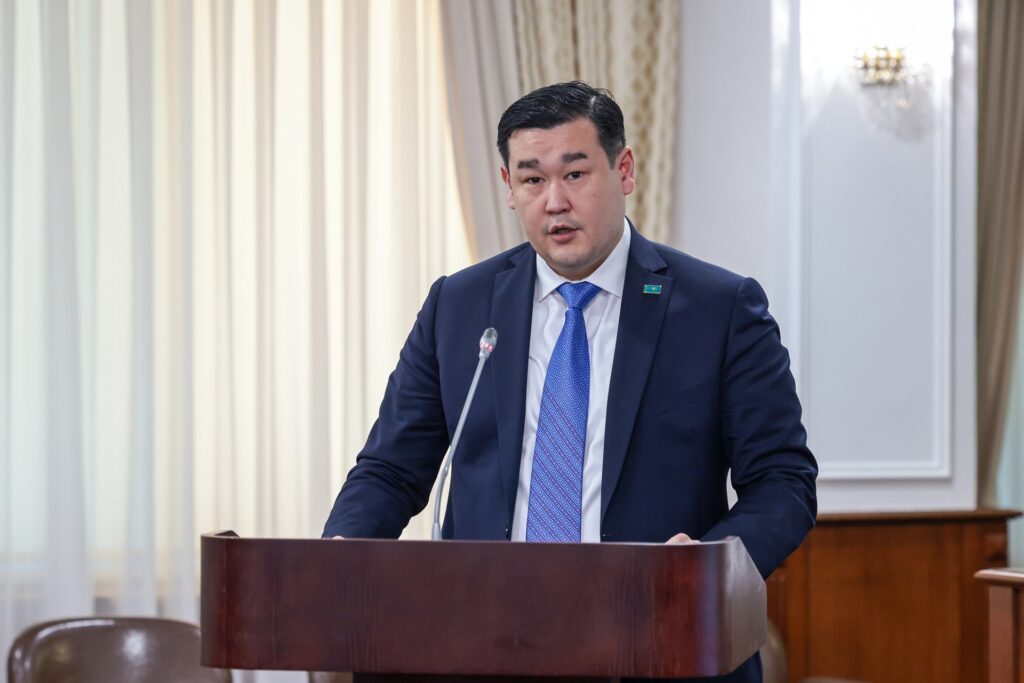
Kazakhstan has reported a record harvest for 2025, collecting over 27 million tons of grain and 4.5 million tons of oilseeds for the first time, according to Deputy Minister of Agriculture Azat Sultanov. The Ministry of Agriculture said the grain harvest reached 27.1 million tons in initial weight, including 20.3 million tons of wheat, an increase of 0.5 million tons compared to last year, despite a reduction in wheat acreage by nearly 900,000 hectares. Of the soft wheat delivered to elevators, 53% was graded 1-3, slightly lower than the 56% recorded in 2024. Class 4 wheat accounted for 35%, up from 28% a year earlier. “More than half of this volume has a gluten content above 20%, which allows this wheat to be used for food purposes,” Sultanov noted. Around 12% of the harvest consisted of unclassified wheat, which will be used for animal feed and fodder production, sectors where demand is growing, particularly in neighboring countries. For the first time, the volume of legumes reached one million tons, while a new record was set for oilseeds at 4.5 million tons, with harvesting still underway in several regions. The country also produced 2.9 million tons of potatoes, 3.8 million tons of vegetables, and 2.6 million tons of melons and gourds. Harvesting of oilseeds, grain corn, and sugar beets is nearing completion. “The agricultural season that has just ended showed steady growth in production. For the second year in a row, Kazakhstan has demonstrated positive dynamics thanks to the use of modern technologies and crop diversification. The harvest took place at the optimal time, and no serious problems arose,” Sultanov emphasized. Between September and October, Kazakhstan exported 2.2 million tons of grain from the new harvest, 21% more than in the same period last year. During the previous marketing season (September 2024 to August 2025), exports totalled 13.4 million tons, a 47% year-on-year increase. Sultanov confirmed the government’s intention to maintain the current export potential. “In 2024, some experts doubted that it would be possible to reach 12 million tons, but in fact, the plan was exceeded. This year, Kazakhstan is developing new export destinations, deliveries have begun to Belgium, Portugal, Poland, Norway, Vietnam, the UAE, Morocco, Algeria, and Egypt, while exports to Iran, Azerbaijan, Armenia, and Georgia have resumed. Demand for Kazakh grain remains stable, with export potential estimated at 13 million tons,” Sultanov said. The Times of Central Asia previously reported that President Kassym-Jomart Tokayev has set a target of increasing Kazakhstan’s grain exports to China to 2 million tons annually.
