• KGS/USD = 0.01144 0%
  • KZT/USD = 0.00208 0%
  • TJS/USD = 0.10443 0.19%
  • UZS/USD = 0.00008 0%
  • TMT/USD = 0.28490 0%
  • KGS/USD = 0.01144 0%
  • KZT/USD = 0.00208 0%
  • TJS/USD = 0.10443 0.19%
  • UZS/USD = 0.00008 0%
  • TMT/USD = 0.28490 0%
  • KGS/USD = 0.01144 0%
  • KZT/USD = 0.00208 0%
  • TJS/USD = 0.10443 0.19%
  • UZS/USD = 0.00008 0%
  • TMT/USD = 0.28490 0%
  • KGS/USD = 0.01144 0%
  • KZT/USD = 0.00208 0%
  • TJS/USD = 0.10443 0.19%
  • UZS/USD = 0.00008 0%
  • TMT/USD = 0.28490 0%
  • KGS/USD = 0.01144 0%
  • KZT/USD = 0.00208 0%
  • TJS/USD = 0.10443 0.19%
  • UZS/USD = 0.00008 0%
  • TMT/USD = 0.28490 0%
  • KGS/USD = 0.01144 0%
  • KZT/USD = 0.00208 0%
  • TJS/USD = 0.10443 0.19%
  • UZS/USD = 0.00008 0%
  • TMT/USD = 0.28490 0%
  • KGS/USD = 0.01144 0%
  • KZT/USD = 0.00208 0%
  • TJS/USD = 0.10443 0.19%
  • UZS/USD = 0.00008 0%
  • TMT/USD = 0.28490 0%
  • KGS/USD = 0.01144 0%
  • KZT/USD = 0.00208 0%
  • TJS/USD = 0.10443 0.19%
  • UZS/USD = 0.00008 0%
  • TMT/USD = 0.28490 0%

Viewing results 1 - 6 of 40

Tokayev Arrives on State Visit to France

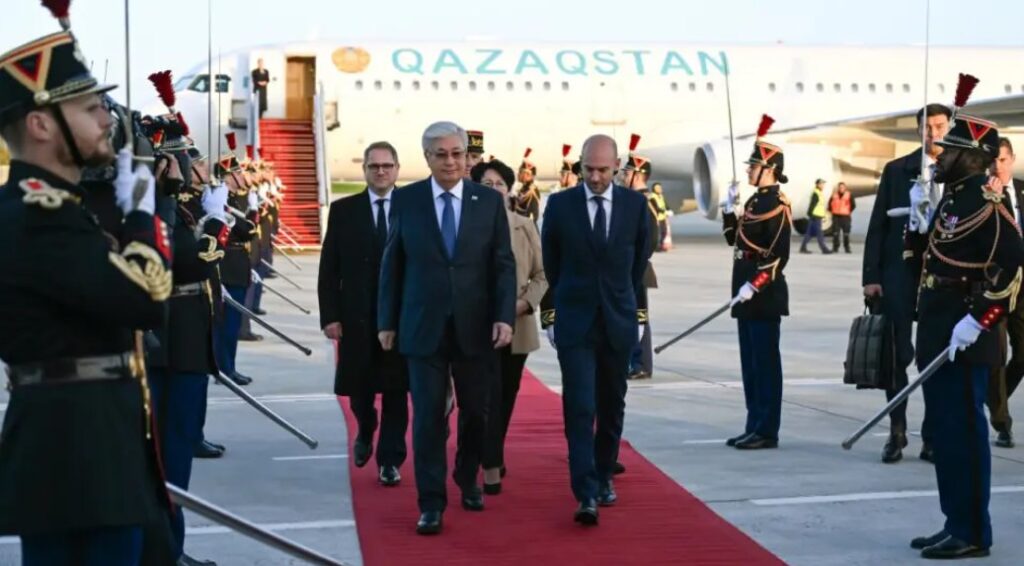
Kazakhstan's President Kassym-Jomart Tokayev visited France on November 4-5, at the invitation of his French counterpart Emmanuel Macron. During the visit, high-level talks were held to strengthen cooperation in trade, economic, investment, cultural, and humanitarian spheres. In addition, Tokayev met with representatives of French business circles. French media also covered the visit. Le Monde noted that the talks between Tokayev and Macron focused on expanding economic ties and discussing joint projects in energy and infrastructure. Le Figaro emphasized the importance of cultural exchange between the two countries, mentioning plans to hold joint cultural events in the coming years. Kazakhstani officials said Tokayev's visit to France strengthened bilateral relations and opened new prospects for cooperation in various fields. On the eve of his visit, Tokayev published an article in the French newspaper Le Figaro titled “Kazakhstan is a strategic and reliable partner for France.” In the article, he outlined the main areas of cooperation with France and emphasized Kazakhstan's role in international diplomacy. Tokayev noted that global challenges such as climate change and migration require updated approaches to international cooperation. He highlighted the role of “middle powers,” of which Kazakhstan is one, in promoting global stability, emphasizing the country's commitment to a balanced foreign policy and support for peacekeeping efforts. Tokayev also expressed Kazakhstan's interest in cooperating with France in the fields of rare earth metals mining, development of “green” energy, and nuclear industry. He added that the upcoming referendum on the construction of a nuclear power plant in Kazakhstan will open up opportunities to strengthen Europe's energy security. Last year, these areas were discussed during Macron's visit to Astana. In addition, he emphasized Kazakhstan's role in ensuring Europe's energy security through the Middle Corridor project, which links Asia and Europe. In conclusion, he expressed confidence in promising cooperation with France to achieve global stability and prosperity. The leaders of Kazakhstan and France met in Astana precisely one year ago, in November 2023. Then Tokayev called the visit of Macron to Kazakhstan historic. At the enlarged meeting, Tokayev specified that, one-on-one, the leaders identified several priority areas for future cooperation, including energy, critical raw materials, renewable energy, transit, agriculture, and health care. At the same time, the French leader invited Tokayev to Paris in 2024. After his visit to Paris, Tokayev will travel to Kyrgyzstan on November 6 to attend the XI Summit of the Organization of Turkic States. The central theme of the OTS summit will be “Strengthening the Turkic World: Economic Integration, Sustainable Development, Digital Future, and Security for All.”
How Central Asia Is Shifting From Russia Towards Turkey

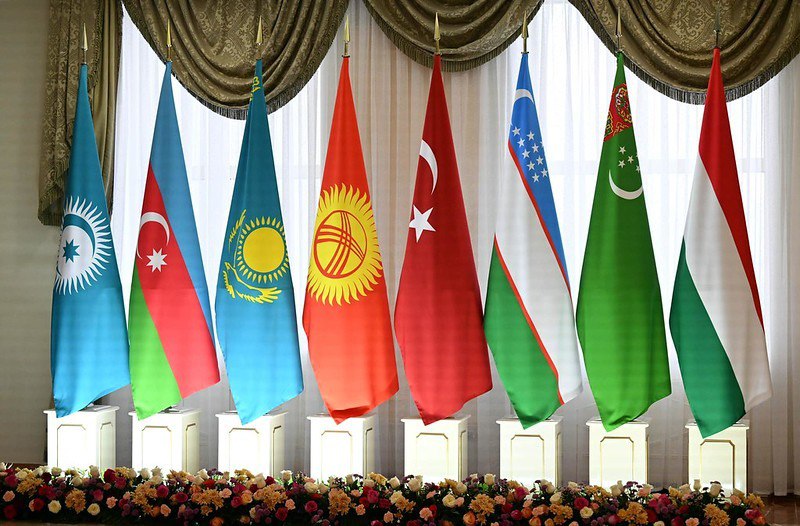
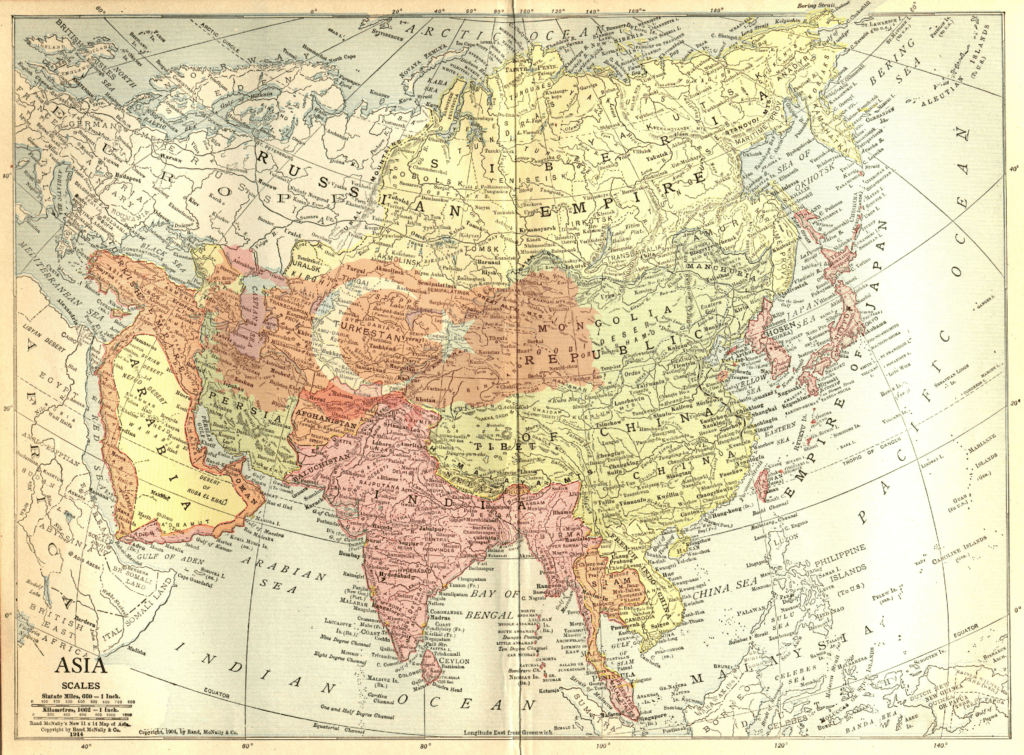
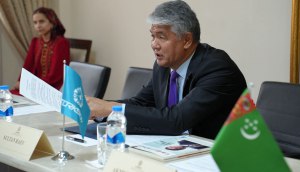
For Turkey, a NATO member and EU hopeful, the Organization of Turkic States (OTS) is an instrument that helps Ankara increase its presence in the strategically important region of Central Asia. For Kazakhstan, Kyrgyzstan, Uzbekistan, and Turkmenistan, the Turkish-dominated group seems to be a tool that allows them to achieve their economic goals, while also continuing to distance themselves from Russia. Although Moscow still has a relatively strong foothold in Central Asia, it does not seem able to prevent the growing role of the Organization of Turkic States in the post-Soviet space. This entity – whose members are Azerbaijan, Kazakhstan, Kyrgyzstan, Turkey, and Uzbekistan, while Turkmenistan, Hungary, and the self-proclaimed Turkish Republic of Northern Cyprus hold observer status – has the potential to eventually serve as a counterbalance not only to Russian, but also Chinese influence in the region. Since its foundation in 2009, the OTS has held ten summits of its leaders. Over this period, the intergovernmental organization’s working bodies have also convened dozens of times. On November 5-6 in the Kyrgyz capital Bishkek, the OTS heads of states will meet for the eleventh time to discuss the future of the Turkic world. Although the agenda has yet to be announced, it is believed that the OTS leaders will seek to strengthen economic cooperation between its members. Currently, their major trade partners are nations outside the bloc. For instance, Turkey’s largest trading partner is Germany, Azerbaijan’s is Italy, while China has recently become Kazakhstan’s biggest trade partner with bilateral trade hitting $31.5 billion. For neighboring Kyrgyzstan and Uzbekistan, China and Russia remain the most important economic partners. One of the group’s major problems is the fact that its members, excluding Turkey, are landlocked countries heavily-dependent on Russia and China geographically. Turkmenistan and Kazakhstan, as major energy exporters, rely on oil and gas pipelines traversing Russian territory to reach their customers in Europe. It is, therefore, no surprise that the Organization of Turkic States governments’ agreed in September to create a simplified customs corridor, aiming at reducing the number of documents required for customs operations and customs procedures between OTS member states. In other words, they plan to increase trade among themselves. According to Omer Kocaman, OTS Deputy Secretary-General, the Turkic nations are also looking to “continue cooperation to stimulate positive changes in their financial systems.” That is why the organization has recently launched the Turkic Investment Fund – the first joint financial institution for economic integration of the Turkic countries, with an initial capital of $500 million. Kyrgyzstan’s Chamber of Commerce and Industry announced on October 17 that, starting in January 2025, the Turkic Investment Fund will begin financing major joint projects in OTS nations. However, in July, Azerbaijani President Ilham Aliyev said that the current structure of the Organization of Turkic States does not meet its established goals, and that its budget is insufficient for their implementation. In order to change that, on October 19, ministers of economy and trade of the OTS nations met in Bishkek to...

Ashgabat Hosts Turkic Writers’ Forum

On October 18-19, leading cultural and literary figures gathered in Ashgabat, to attend a forum of Turkic writers organized within the program “Anau—Cultural Capital of the Turkic World 2024". With a focus on the importance of preserving and developing common cultural heritage, the event attracted representatives of the writers' unions of Turkey, Kyrgyzstan, Uzbekistan, and Kazakhstan, as well as prominent cultural figures of Turkmenistan. Honored guests included Ulugbek Esdevlet, president of the TURKSOY Writers' Union, and Sultan Raev, secretary general of the organization, who in his address, emphasized: “This forum is a unique platform for demonstrating the rich literary heritage of the Turkic world and passing on our common cultural heritage to future generations.” During the forum, the Union of TURKSOY Writers held a meeting to discuss promising projects for developing the literature of Turkic-speaking peoples, including programs to support young authors, the expansion of translation activities, and the organization of international literary contests. In addition to complementary activities such as poetry readings, the forum afforded students from the Turkmen State Institute of Culture, a unique opportunity to engage with prominent writers.

OTS Countries Take Steps Towards Turkic Integration

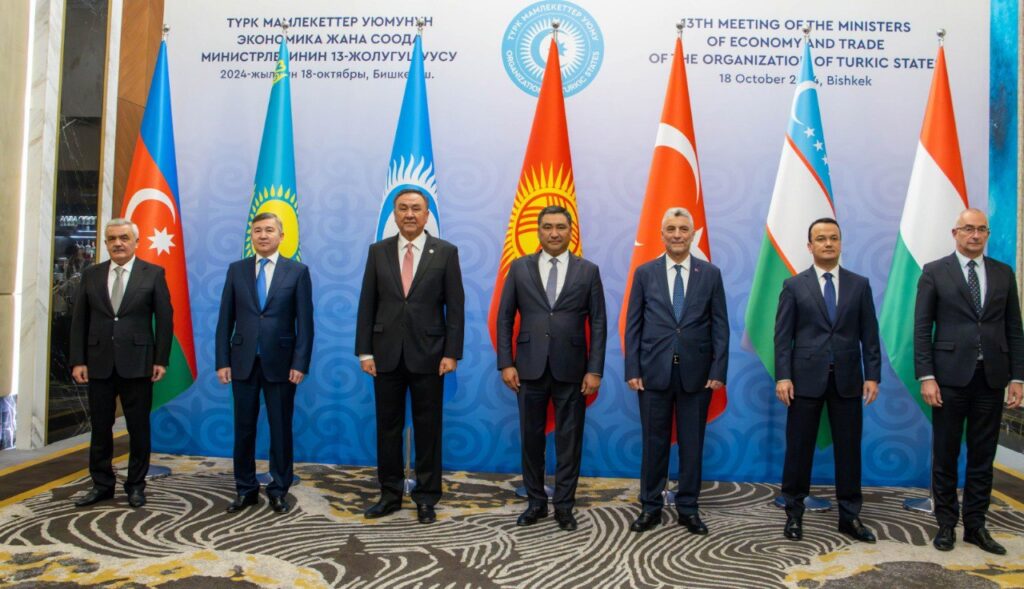
On October 18, Bishkek hosted the 13th meeting of the Organization of Turkic States (OTS), wherein Ministers of Economy and Trade aimed to strengthen economic cooperation between the OTS member states. The OTS, currently comprising Azerbaijan, Kazakhstan, Kyrgyzstan, Turkey, Uzbekistan, and Turkmenistan, with Hungary and the Turkish Republic of Northern Cyprus as observers, was founded in 2009 to foster comprehensive cooperation among Turkic-speaking nations. During the meeting, Chairman of the Cabinet of Ministers of Kyrgyzstan, Akylbek Japarov, stated that in recent years, Kyrgyzstan's trade turnover with the OTS member states has grown by almost 62%, with Kyrgyz exports increasing by 54.6%, and imports by 66%. The Deputy Prime Minister - Minister of National Economy of Kazakhstan, Nurlan Baibazarov, emphasized Kazakhstan’s adherence to the development of Turkic integration and announced that the "Turkic Investment Fund created within the OTS demonstrates a common desire to expand economic and investment cooperation, implement joint investment projects, and attract capital, technology, and talent for our countries' dynamic growth and prosperity." OTS ministers supported Kazakhstan's initiatives to create a Green Finance Council, a Council of Central (National) Banks of the OTS member states, and the inauguration of the Turan Special Economic Zone in the Kazakh city of Turkestan, where the next meeting will be held. In January-August 2024, trade between Kazakhstan and the OTS countries amounted to $7.2 billion, and according to the Turkish Ministry of Finance, by the end of 2024, the Turkic states are poised to play an important role in the world economy, reaching an economic volume of $1.9 trillion and a population of 178 million. As previously reported by The Times of Central Asia,  the Turkic Investment Fund, with an authorized capital of $1 billion, will begin financing major joint projects of the OTS member countries from January 2025.

Turkic Investment Fund to Begin Financing Projects

Following the participation of its head, Temir Sariev, in a meeting of the Chambers of Commerce and Industry of the Turkic states in Istanbul on October 16, Kyrgyzstan’s Chamber of Commerce and Industry announced that from January 2025, the Turkic Investment Fund, with an authorized capital of $1 billion, will begin financing major joint projects of member countries of the Organization of Turkic States. The Organization of Turkic States, currently comprising Azerbaijan, Kazakhstan, Kyrgyzstan, Turkey, Uzbekistan, and Turkmenistan, with Hungary and the Turkish Republic of Northern Cyprus as observers, was founded in 2009 to foster comprehensive cooperation among Turkic-speaking nations. The Turkic Investment Fund, aimed to mobilize the economic potential of the Organization of Turkic States member states, strengthen trade and economic cooperation, and implement joint projects in infrastructure, renewable energy, agriculture, tourism, and IT, was established at the extraordinary summit of the Organization of Turkic States in March 2023 in Ankara. Founding members include Azerbaijan, Kazakhstan, Kyrgyzstan, Turkey, and Uzbekistan. Hungary joined in June 2024, and Turkmenistan has an observer status. After the inaugural meeting of the Fund's Board of Governors in Istanbul in May 2024, the Turkish Ministry of Finance declared that by the end of 2024, the Turkic states are poised to play to an important role in the world economy, reaching an economic volume of $1.9 trillion and a population of 178 million.

Adoption of Latin-Based Common Turkic Alphabet

The Turkic Academy has announced that the Turkic World Common Alphabet Commission is to adopt a Latin-based Common Turkic Alphabet consisting of 34 letters. At a meeting in Baku (Azerbaijan) on September 9-11, the Commission finalized its two-year development of a proposed standard alphabet for Turkic languages in which each letter in represents different phonetic sounds in Turkic languages. Emphasizing its historic significance, the Turkic Academy stated that the development of the Common Turkic Alphabet, first proposed by scientists in 1991, promotes mutual understanding and cooperation among the Turkic peoples while preserving their linguistic heritage. Based in Astana, Kazakhstan, the Turkic Academy is an international organization established under the Organization of Turkic States. Founding member states include Azerbaijan, Kazakhstan, Kyrgyzstan, and Türkiye, with Hungary and Uzbekistan joining as observers in 2018 and 2022, respectively.  The Organization of Turkic States currently comprising Azerbaijan, Kazakhstan, Kyrgyzstan, Turkey, Uzbekistan and Turkmenistan, with Hungary and the Turkish Republic of Northern Cyprus as observers, was founded in 2009 to foster comprehensive cooperation among Turkic-speaking nations. The alphabet issue in post-Soviet Turkic-speaking countries dates back to 1929, when the Soviet government replaced traditional Arabic-based alphabets used by Muslim minorities in the Soviet Union with Latin-based national alphabets. In 1940, the Latin alphabet was replaced with Cyrillic, used for the Russian language. After the breakup of the Soviet Union in 1991, former Soviet republics of Azerbaijan and Turkmenistan switched to Latin-based alphabets, while Uzbekistan has used both Latin and Cyrillic alphabets since 1992. In 2017, Kazakhstan's then-President Nursultan Nazarbayev ordered the government to develop a Latin-based alphabet for the Kazakh language. The switch, initially planned for 2025, was then postponed till as late as 2031. Citing the complexity of a transition from the Cyrillic to a Latin-based alphabet, in June 2022, Nazarbayev's successor, President Kassym-Jomart Tokayev stated that linguistic reform should not be rushed. Kyrgyzstan is the only post-Soviet Turkic-speaking nation committed to the use of the Cyrillic alphabet. Talk about switching from Cyrillic to Latin in post-Soviet Central Asia has always irritated Moscow, which considered such moves by the former Soviet republics as a means of distancing themselves from Russian influence.