• KZT/USD = 0.00222
  • TJS/USD = 0.10820
  • UZS/USD = 0.00009
  • TMT/USD = 0.29760
  • KZT/USD = 0.00222
  • TJS/USD = 0.10820
  • UZS/USD = 0.00009
  • TMT/USD = 0.29760
  • KZT/USD = 0.00222
  • TJS/USD = 0.10820
  • UZS/USD = 0.00009
  • TMT/USD = 0.29760
  • KZT/USD = 0.00222
  • TJS/USD = 0.10820
  • UZS/USD = 0.00009
  • TMT/USD = 0.29760
  • KZT/USD = 0.00222
  • TJS/USD = 0.10820
  • UZS/USD = 0.00009
  • TMT/USD = 0.29760
  • KZT/USD = 0.00222
  • TJS/USD = 0.10820
  • UZS/USD = 0.00009
  • TMT/USD = 0.29760
  • KZT/USD = 0.00222
  • TJS/USD = 0.10820
  • UZS/USD = 0.00009
  • TMT/USD = 0.29760
  • KZT/USD = 0.00222
  • TJS/USD = 0.10820
  • UZS/USD = 0.00009
  • TMT/USD = 0.29760
11 September 2026

Viewing results 1 - 6 of 54

Mirziyoyev Calls for Independent Palestinian State with East Jerusalem as Capital

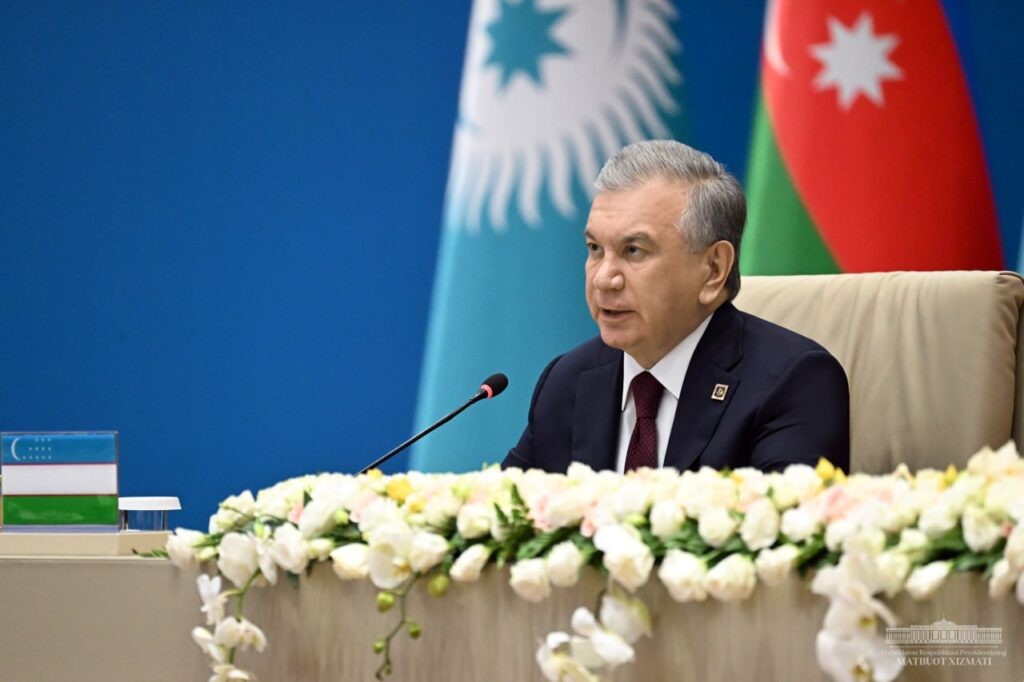
Speaking at this week's summit of the Organization of Turkic States in Bishkek, Uzbekistan's president Shavkat Mirziyoyev has once again discussed the situation in the Middle East. Mirziyoyev noted that global geopolitical processes have become increasingly complex since the start of the war in the region. The atmosphere of competition and mistrust between countries is intensifying, the hotbeds of conflict and war are increasing, and various dangers are growing. "These problems are a severe obstacle to our joint plans and big projects in trade, investment, transport, energy, agriculture, and other fields; this is the truth," Mirziyoyev said. “It is, first and foremost, about the ongoing war in the Middle East and the double standards that we see. Nothing can justify the unprecedented humanitarian tragedy in Gaza and Lebanon, the devastating attacks against civilians, especially the death of innocent children, the elderly, and women. We strongly condemn the actions aimed at restricting the activities of the United Nations Relief and Works Agency for Palestine Refugees. The only solution to this long-standing conflict is the establishment of an independent State of Palestine with East Jerusalem as its capital, based on the 1967 borders, by international regulations and resolutions,” noted Mirziyoyev. He hoped the Arab-Islamic Summit in Riyadh next week would find a clear political solution to this problem. He also highlighted the importance of Afghanistan’s stability: “When it comes to security, we believe Afghanistan should always be at the focus of our Organization. In this regard, it is crucial to establish a regular dialogue mechanism at the ministerial and expert levels. We believe that the issues of providing support to de facto authorities in addressing acute problems in Afghanistan, integrating this country into regional economic processes, and implementing social and infrastructure projects should be considered.”
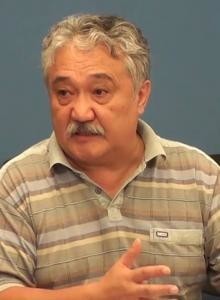
Bakyt Baketayev: Organization of Turkic States Is About Investment, Not Politics

The 11th summit of the Organization of Turkic States (OTS), which includes Kyrgyzstan, Kazakhstan, Uzbekistan, Turkmenistan, Azerbaijan, Turkey, and Hungary (as an observer), was held in Bishkek, Kyrgyzstan's capital. Speaking with The Times of Central Asia, Kyrgyz political analyst Bakyt Baketayev noted that the OTS was initially created on a cultural and linguistic basis. However, the turbulent geopolitical situation in the world gave the organization impetus for its current development. “The catalyst for the development of the OTS was the geopolitical situation and military-political events in the world. At the beginning of the organization's work - in 2009 - the countries worked on cultural programs and common spiritual issues uniting Turkic peoples. Today, the members of the OTS already cooperate at the level of governments, ministries, and agencies and discuss economic issues,” Baketayev said. Baketayev drew attention to the composition of the Organization of Turkic States. It includes countries representing different economic and political associations: NATO (Turkey), the European Union (Hungary), and the EAEU (Kyrgyzstan and Kazakhstan). “We should not expect any big results from the OTS summit. There will be no common political statements - the countries are scattered geographically and have different interests. But from the economic point of view of trade development and investment development, concrete steps are quite possible,” Baketayev said. The analyst is confident that the Organisation of Turkic States will help overcome problems related to hydropower and the lack of water resources in Central Asia. If the heads of state have common economic interests, they will be more likely to reach an agreement.

Kyrgyzstan Hosts Summit of Organization of Turkic States

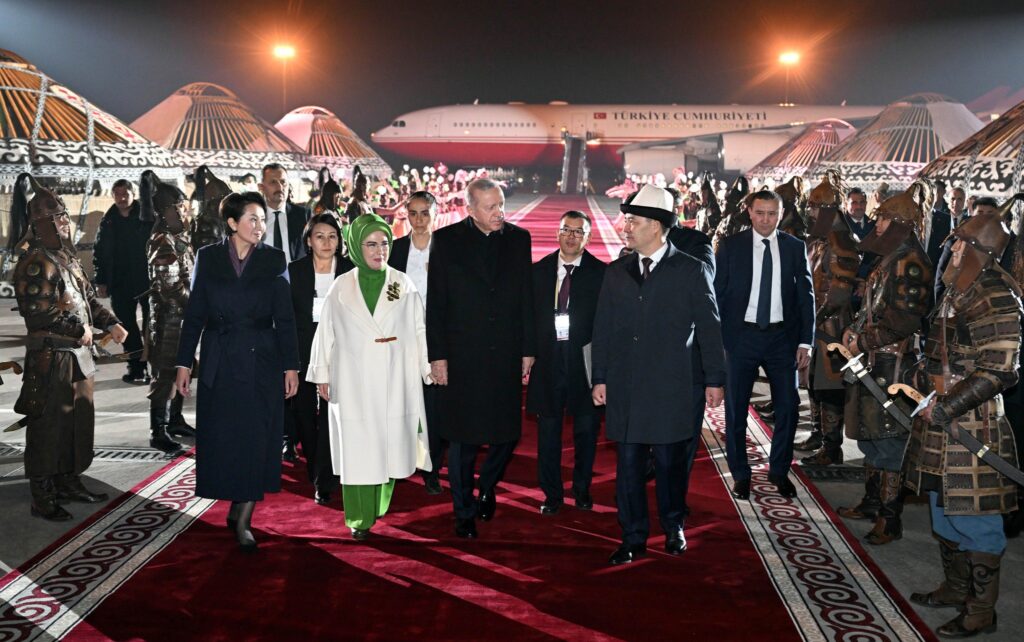
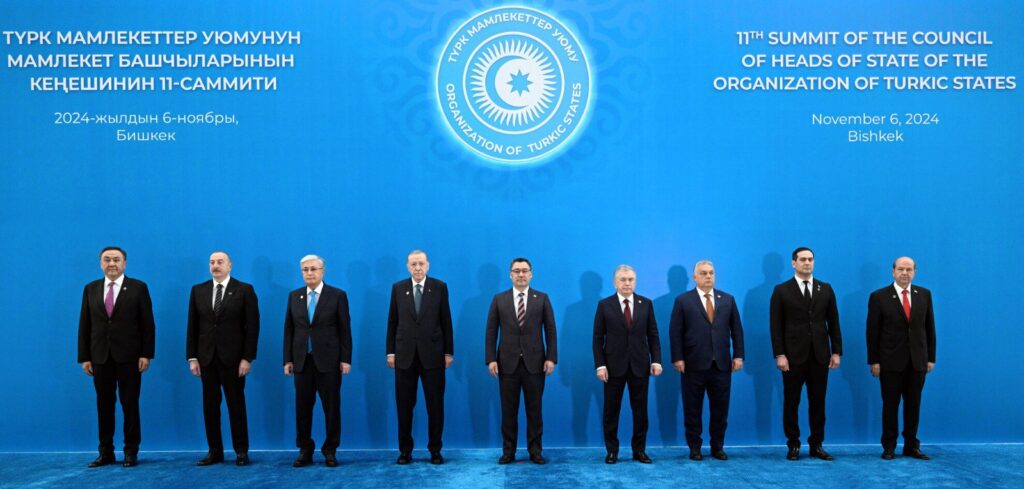
On November 6, Bishkek hosted the 11th Summit of the Council of Heads of State of the Organization of Turkic States (OTS). Chaired by Kyrgyzstan's President Sadyr Japarov and themed “Empowering the Turkic World: Economic Integration, Sustainable Development, Digital Future, and Security for All,” the summit was attended by President of Azerbaijan Ilham Aliyev, President of Kazakhstan Kassym-Jomart Tokayev, President of Turkey Recep Tayyip Erdoğan, President of Uzbekistan Shavkat Mirziyoyev, and Viktor Orbán, the Prime Minister of Hungary (observer state of the OTS). At the summit, the OTS chairmanship passed from Kazakhstan to Kyrgyzstan. In his speech, Kazakhstan's Tokayev summarized the results of his country's chairmanship of the OTS. Tokayev noted that Kazakhstan's chairmanship of the Organization of Turkic States was held under the motto "TURKTIME!" with special attention paid to strengthening the unity of the Turkic world and expanding comprehensive cooperation. Tokayev said that over the past 10 years, economic ties between the OTS members have strengthened significantly, and their trade volume exceeded $45 billion in 2024. According to Tokayev, strengthening transport and logistics ties within the OTS is a priority task. “It is necessary to fully utilize the potential of the Middle Corridor, which is strategically important for the further economic development of the Turkic world. Therefore, it seems necessary to agree to ensure the sustainable development of cargo transportation along this route.” Addressing the summit as the new chairman of the OTS, Japarov emphasized that the Organization has the unique potential to achieve high goals, strengthen its position in the international arena, intensify mutually beneficial cooperation, and create favorable conditions for the prosperity of its people. According to Japarov, during its chairmanship of the OTS, Kyrgyzstan will make every effort to develop economic partnership, sustainable development, digital integration, and strengthening common security. To expand trade and economic cooperation, negotiations will be initiated on intergovernmental agreements in services, finance, the creation and support of common labor markets, digital and e-commerce, intellectual property, agriculture, technology, innovation, tourism, and education. Japarov supported signing the Agreement on Partnership in the Field of Digital Economy, which will facilitate digital trade between the Turkic states. Joint measures to combat the challenges associated with climate change and environmental pollution will be one key area of Kyrgyzstan's chairmanship. According to Japarov, over the past 70 years, the area of glaciers in Kyrgyzstan has decreased by 16%. These glaciers are a source of drinking water for Kyrgyzstan and the entire Central Asian region. “Considering that our region is among the most vulnerable to global warming, by 2100, we may lose more than half of the glaciers,” the Kyrgyz president warned, adding that “we will develop cooperation in the implementation of joint green projects in the field of renewable energy, forest restoration, the introduction of resource-saving and energy-efficient technologies, the protection of glaciers and biological species, as well as the fight against land degradation and desertification.” Addressing the summit, Turkey's Erdoğan said: “I wholeheartedly believe that the decisions we will make today to achieve the targets we...

Kyrgyzstan Backs Turkish Arms Embargo Against Israel

The Turkish authorities have sent a letter to the UN on behalf of 52 countries calling for an arms embargo against Israel in response to the ongoing war in Gaza and Lebanon, Turkish media has reported. In the letter, the Turkish authorities call the "staggering" civilian death toll "unconscionable and intolerable." In response to the letter, Turkish Ambassador to the UN, Danny Danon stated in uncompromising terms, "What else can be expected from a country whose actions are driven by malice in an attempt to create conflicts with the support of the 'Axis of Evil' countries?" Turkish President Recep Tayyip Erdogan arrived in Bishkek on November 4. During the visit, the Turkish leader will hold talks with the president of Kyrgyzstan and participate in the 11th Summit of the Council of Heads of State of the Organization of Turkic States. Following the summit, several bilateral documents will be signed to expand strategic cooperation between the countries. On the eve of Erdogan's visit, Kyrgyzstan backed the Turkish resolution in the UN. The authorities in Turkey have stated that with its military actions against Palestine and Lebanon, Israel has brought the entire region to the brink of a full-scale war. “This is necessary to end Israel's illegal occupation, to prevent further violations against civilians in the Gaza Strip and the rest of the occupied Palestinian territory, as well as in Lebanon, and to prevent further regional escalation,” Turkey's permanent representative to the UN, Ahmet Yildiz stated. The Turkish letter was signed by 52 states, including Russia, Kazakhstan, and China, whilst the Arab League, and the Organization of Islamic Cooperation are also signatories. Kyrgyzstan, along with other Central Asian states, usually adheres to strict diplomatic neutrality regarding the Middle East conflict.

Tokayev Arrives on State Visit to France

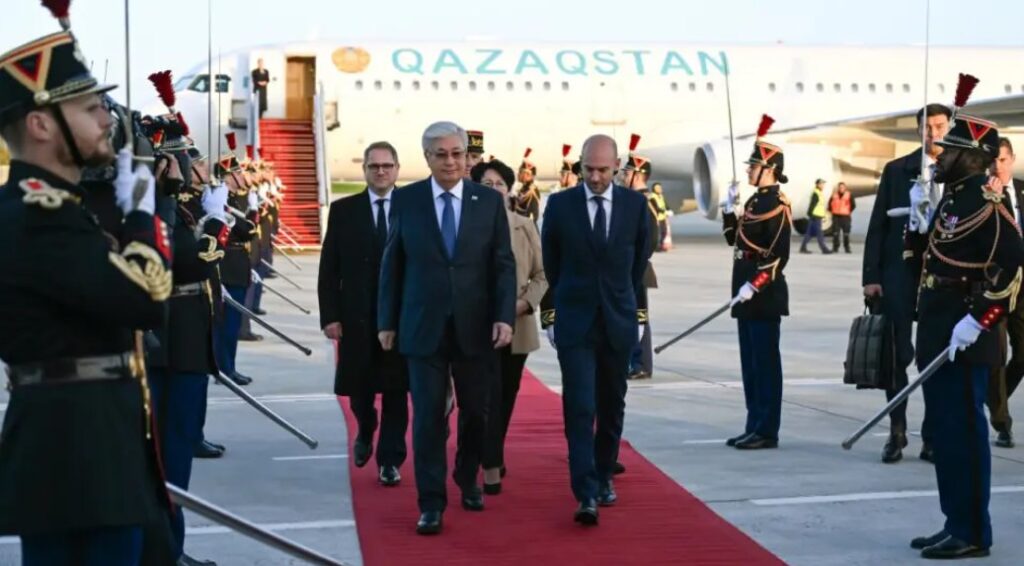
Kazakhstan's President Kassym-Jomart Tokayev visited France on November 4-5, at the invitation of his French counterpart Emmanuel Macron. During the visit, high-level talks were held to strengthen cooperation in trade, economic, investment, cultural, and humanitarian spheres. In addition, Tokayev met with representatives of French business circles. French media also covered the visit. Le Monde noted that the talks between Tokayev and Macron focused on expanding economic ties and discussing joint projects in energy and infrastructure. Le Figaro emphasized the importance of cultural exchange between the two countries, mentioning plans to hold joint cultural events in the coming years. Kazakhstani officials said Tokayev's visit to France strengthened bilateral relations and opened new prospects for cooperation in various fields. On the eve of his visit, Tokayev published an article in the French newspaper Le Figaro titled “Kazakhstan is a strategic and reliable partner for France.” In the article, he outlined the main areas of cooperation with France and emphasized Kazakhstan's role in international diplomacy. Tokayev noted that global challenges such as climate change and migration require updated approaches to international cooperation. He highlighted the role of “middle powers,” of which Kazakhstan is one, in promoting global stability, emphasizing the country's commitment to a balanced foreign policy and support for peacekeeping efforts. Tokayev also expressed Kazakhstan's interest in cooperating with France in the fields of rare earth metals mining, development of “green” energy, and nuclear industry. He added that the upcoming referendum on the construction of a nuclear power plant in Kazakhstan will open up opportunities to strengthen Europe's energy security. Last year, these areas were discussed during Macron's visit to Astana. In addition, he emphasized Kazakhstan's role in ensuring Europe's energy security through the Middle Corridor project, which links Asia and Europe. In conclusion, he expressed confidence in promising cooperation with France to achieve global stability and prosperity. The leaders of Kazakhstan and France met in Astana precisely one year ago, in November 2023. Then Tokayev called the visit of Macron to Kazakhstan historic. At the enlarged meeting, Tokayev specified that, one-on-one, the leaders identified several priority areas for future cooperation, including energy, critical raw materials, renewable energy, transit, agriculture, and health care. At the same time, the French leader invited Tokayev to Paris in 2024. After his visit to Paris, Tokayev will travel to Kyrgyzstan on November 6 to attend the XI Summit of the Organization of Turkic States. The central theme of the OTS summit will be “Strengthening the Turkic World: Economic Integration, Sustainable Development, Digital Future, and Security for All.”

How Central Asia Is Shifting From Russia Towards Turkey

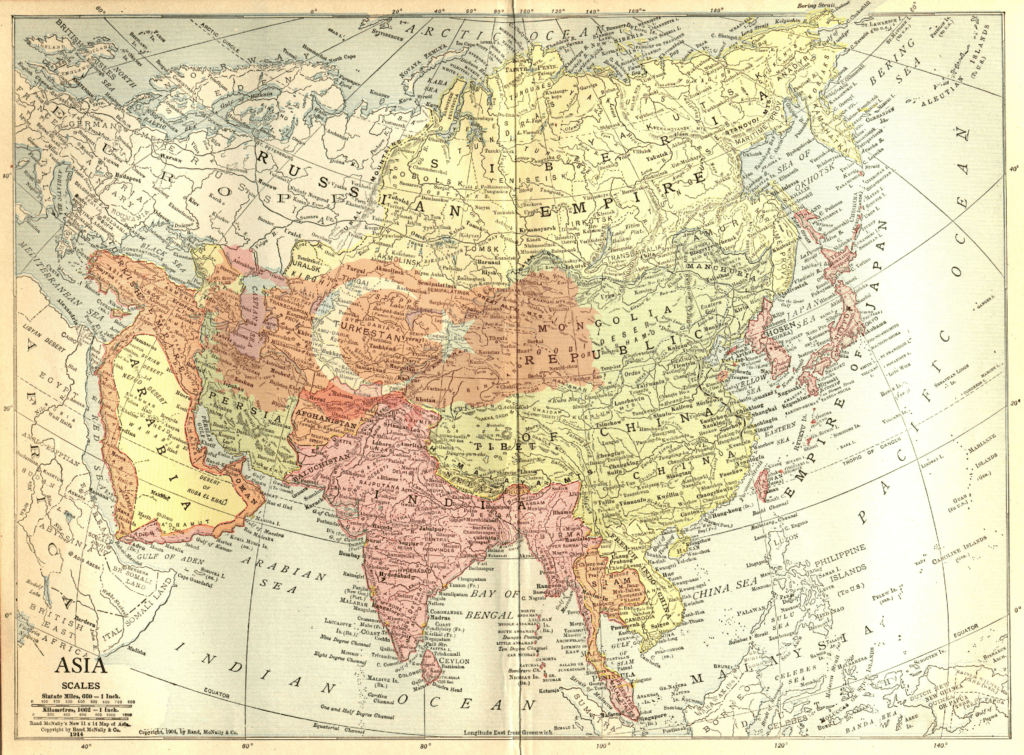
For Turkey, a NATO member and EU hopeful, the Organization of Turkic States (OTS) is an instrument that helps Ankara increase its presence in the strategically important region of Central Asia. For Kazakhstan, Kyrgyzstan, Uzbekistan, and Turkmenistan, the Turkish-dominated group seems to be a tool that allows them to achieve their economic goals, while also continuing to distance themselves from Russia. Although Moscow still has a relatively strong foothold in Central Asia, it does not seem able to prevent the growing role of the Organization of Turkic States in the post-Soviet space. This entity – whose members are Azerbaijan, Kazakhstan, Kyrgyzstan, Turkey, and Uzbekistan, while Turkmenistan, Hungary, and the self-proclaimed Turkish Republic of Northern Cyprus hold observer status – has the potential to eventually serve as a counterbalance not only to Russian, but also Chinese influence in the region. Since its foundation in 2009, the OTS has held ten summits of its leaders. Over this period, the intergovernmental organization’s working bodies have also convened dozens of times. On November 5-6 in the Kyrgyz capital Bishkek, the OTS heads of states will meet for the eleventh time to discuss the future of the Turkic world. Although the agenda has yet to be announced, it is believed that the OTS leaders will seek to strengthen economic cooperation between its members. Currently, their major trade partners are nations outside the bloc. For instance, Turkey’s largest trading partner is Germany, Azerbaijan’s is Italy, while China has recently become Kazakhstan’s biggest trade partner with bilateral trade hitting $31.5 billion. For neighboring Kyrgyzstan and Uzbekistan, China and Russia remain the most important economic partners. One of the group’s major problems is the fact that its members, excluding Turkey, are landlocked countries heavily-dependent on Russia and China geographically. Turkmenistan and Kazakhstan, as major energy exporters, rely on oil and gas pipelines traversing Russian territory to reach their customers in Europe. It is, therefore, no surprise that the Organization of Turkic States governments’ agreed in September to create a simplified customs corridor, aiming at reducing the number of documents required for customs operations and customs procedures between OTS member states. In other words, they plan to increase trade among themselves. According to Omer Kocaman, OTS Deputy Secretary-General, the Turkic nations are also looking to “continue cooperation to stimulate positive changes in their financial systems.” That is why the organization has recently launched the Turkic Investment Fund – the first joint financial institution for economic integration of the Turkic countries, with an initial capital of $500 million. Kyrgyzstan’s Chamber of Commerce and Industry announced on October 17 that, starting in January 2025, the Turkic Investment Fund will begin financing major joint projects in OTS nations. However, in July, Azerbaijani President Ilham Aliyev said that the current structure of the Organization of Turkic States does not meet its established goals, and that its budget is insufficient for their implementation. In order to change that, on October 19, ministers of economy and trade of the OTS nations met in Bishkek to...