• KZT/USD = 0.00219
  • TJS/USD = 0.10840
  • UZS/USD = 0.00008
  • TMT/USD = 0.29850
  • KZT/USD = 0.00219
  • TJS/USD = 0.10840
  • UZS/USD = 0.00008
  • TMT/USD = 0.29850
  • KZT/USD = 0.00219
  • TJS/USD = 0.10840
  • UZS/USD = 0.00008
  • TMT/USD = 0.29850
  • KZT/USD = 0.00219
  • TJS/USD = 0.10840
  • UZS/USD = 0.00008
  • TMT/USD = 0.29850
  • KZT/USD = 0.00219
  • TJS/USD = 0.10840
  • UZS/USD = 0.00008
  • TMT/USD = 0.29850
  • KZT/USD = 0.00219
  • TJS/USD = 0.10840
  • UZS/USD = 0.00008
  • TMT/USD = 0.29850
  • KZT/USD = 0.00219
  • TJS/USD = 0.10840
  • UZS/USD = 0.00008
  • TMT/USD = 0.29850
  • KZT/USD = 0.00219
  • TJS/USD = 0.10840
  • UZS/USD = 0.00008
  • TMT/USD = 0.29850
23 November 2026

Viewing results 1 - 6 of 2

Kyrgyzstan Pasture Restoration Plan Includes 7,200 Kilometers of Road Repairs

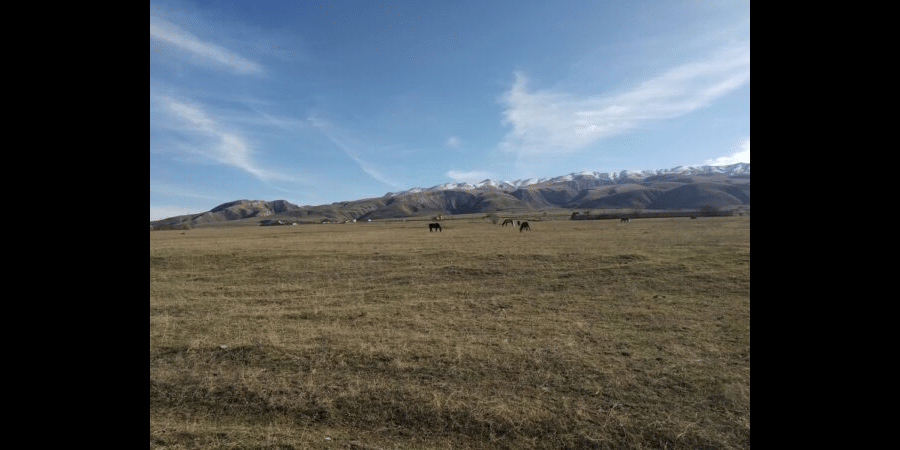
Kyrgyzstan plans to repair hundreds of bridges and more than 7,200 kilometers of roads to help livestock farmers reach remote grazing land as pastures near villages deteriorate. The Ministry of Water Resources, Agriculture and Processing Industry outlined the plans on October 29. It estimates that 184,000 hectares of pasture near settlements have been degraded and need restoration. To ease grazing pressure near villages, the ministry has identified a need to repair and restore 553 bridges and improve 7,206.3 kilometers of pasture access roads. It also plans to establish 406 livestock watering points and install 170 milk collection tanks. Plans to restore vegetation include reseeding pastures, controlling weeds unsuitable for livestock feed, and rotating grazing areas. Tractors would be used for sowing on flat terrain and specialized drones in areas that are difficult to reach. According to the ministry, pasture grass seeds were sown on 34,376.5 hectares of degraded land between 2023 and 2025. In September, it reported purchasing more than 186 metric tons of seeds for 50 million soms (about $570,000). Sowing was still underway in October. Kyrgyzstan already has a pasture development program for 2024–2029, approved in August 2024. It also calls for restoring degraded grazing land and improving pasture infrastructure. The latest announcement did not explain how the new plans differ from the existing program or specify their overall cost. In March 2025, the ministry said it had recommended annual restrictions on grazing near villages from April 15 to September 15. At the time, it estimated that 139,069 hectares had been degraded. It is unclear whether the higher figure in the latest announcement reflects further deterioration or a revised assessment. The ministry estimates the country’s total pasture area at about 10 million hectares. Pastures are the main source of livestock feed, so their deterioration affects feed availability and farmers’ incomes. Kyrgyzstan’s livestock numbers continued to rise in 2025, reaching approximately 1.8 million cattle and 6.3 million sheep and goats by the end of the year, increases of 1.7% and 0.8%, respectively, over 2024.

Livestock Numbers Are Growing in Kyrgyzstan as Authorities Expand Pasturelands

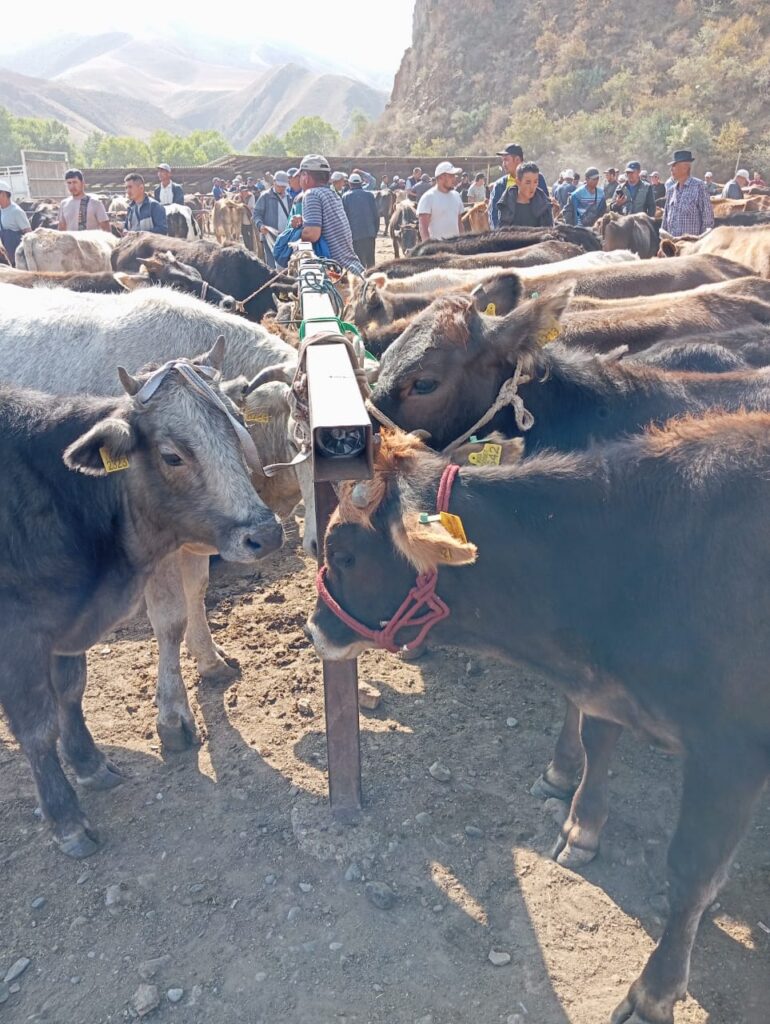
Spring fieldwork has begun in Kyrgyzstan, including the sowing of wheat and barley and efforts to expand the forage base for livestock farming. The Ministry of Water Resources, Agriculture, and Processing Industry has also started planting pastures with forage crops. Myktybek Kalandarov, head of the Department of Breeding Livestock Production, confirmed the work in an interview on state radio. Kalandarov said that approximately 15,000 hectares of pastureland have already been sown with forage crops this year. A further 10,000 hectares of high-altitude pastures were planted in the autumn. Authorities plan to continue expanding pasture resources, with another 10,000 hectares scheduled for planting in the coming months. About $570,000 has been allocated in 2026 to support these measures. Kalandarov added that revenue generated from pasture use should be reinvested in their restoration and development. “Revenue comes from payments for pasture use, about $0.23 per sheep or goat grazed and approximately $1.15 per cow,” he said. The increase in pasture investment is linked to rising livestock numbers. According to data from the National Statistical Committee, the country’s total livestock population has grown by 6.6% over the past five years. As of the end of 2025, farms across all categories had approximately 1.8 million cattle, a 1.7% increase compared with the previous year. The number of sheep and goats reached 6.3 million, up 0.8%. Positive trends have also been recorded in horse breeding, poultry farming, pig farming, and yak breeding. Agricultural sector representatives say growing demand for animal feed is influencing crop patterns. Zakir Koombayev, director of a farm in the Chui Region, told The Times of Central Asia that farmers are increasingly diversifying their forage crops. “Previously, we mainly planted spring crops such as wheat and barley. Now, given the growth in livestock numbers, we have ordered feed corn seeds from southern Russia,” he said. Experts note that the future development of livestock farming in Kyrgyzstan will largely depend on effective pasture management and the sustainability of the country’s feed base.