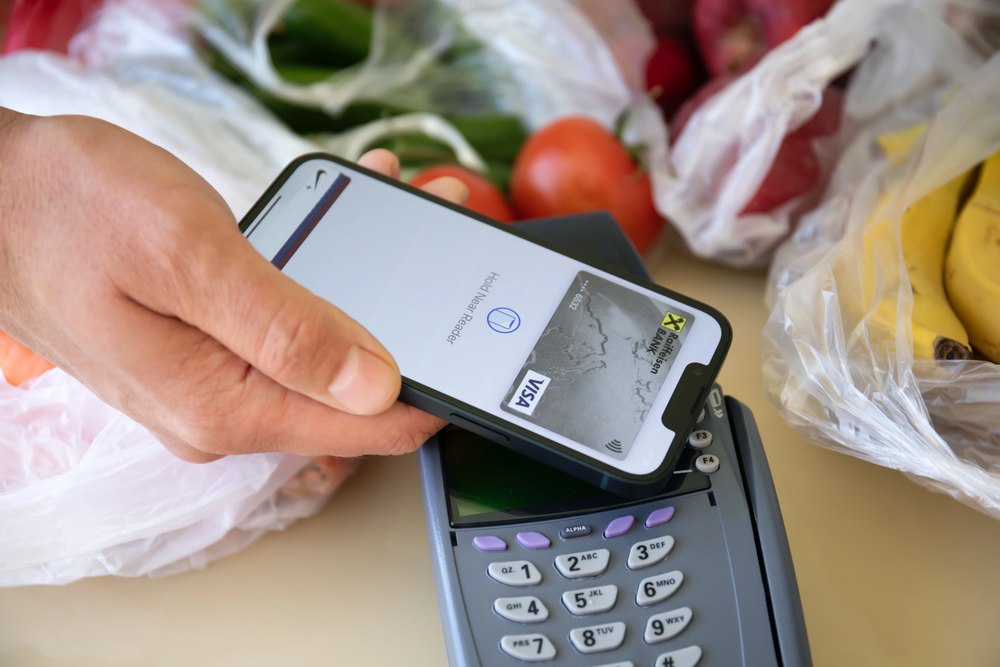
Apple Pay and Google Pay Begin Rollout in Uzbekistan
Apple Pay and Google Pay began rolling out in Uzbekistan on October 27, allowing customers of local banks to add eligible Visa and Mastercard cards to their digital wallets to make contactless payments. The launch marks another step in Uzbekistan's efforts to integrate its banking system with international payment services, following changes to the country's data protection laws and months of negotiations with Apple and Google. Which Banks and Cards Are Supported? According to Spot, Apple Wallet initially supports cards from eight banks and financial institutions: Uzum Bank, Orient Finans Bank, the National Bank of Uzbekistan, Kapitalbank, Hamkorbank, Ipak Yuli Bank, TBC Bank, and Octobank. Uzum Bank and Hamkorbank currently support Visa cards only, while the other six institutions are listed as supporting both Visa and Mastercard. Google Wallet, meanwhile, lists nine participating banks, including seven of those supporting Apple Pay, alongside AVO Bank and Aloqabank. Customers can add eligible cards through Apple Wallet or Google Wallet, with payments authorized using their phone's security features. Once activated, the services allow customers to pay at compatible contactless terminals without using a physical bank card. However, the rollout is still in its early stages. Some banks are continuing to test Apple Pay, and not all eligible cards can yet be added successfully. As of October 27, Uzbekistan was also absent from Apple's published list of countries where Apple Pay is supported. Google Pay's launch was announced on October 19 by Marcin Krasuski, Google Cloud's director of government affairs and public policy for Central and Eastern Europe, during an event in Samarkand. Support for locally issued bank cards became available on October 27. Changes to Data Protection Laws The rollout follows changes to Uzbekistan's personal data legislation in March 2026, which relaxed restrictions on storing certain types of personal data outside the country. The previous rules had been an obstacle to the introduction of international digital payment services. As The Times of Central Asia reported in July, the Central Bank subsequently began negotiations with Apple and Google, while commercial banks and the national payment systems Humo and Uzcard worked on the technical requirements. For now, support is limited to eligible Visa and Mastercard cards. The Central Bank is also working to make cards issued through Humo and Uzcard compatible with the international digital wallets. Click Adds Apple Pay to Online Payments Local payment companies are also adapting to the new services. On October 27, Uzbek payment provider Click announced that it had added Apple Pay to its online payment processing system, allowing retailers using Click's payment page to accept Apple Pay without a separate technical integration. "We wanted to make enabling Apple Pay as simple as possible for both users and businesses. Our partners don't need to turn the launch of a new payment method into a separate technical project – Click takes care of that part," said Ulugbek Rustamov, CEO and co-founder of Click. Merchants can request activation of the service from Click, which will handle payment processing, settlements, reporting, and refunds....