• KGS/USD = 0.01144 0%
  • KZT/USD = 0.00215 0%
  • TJS/USD = 0.10599 -0.28%
  • UZS/USD = 0.00008 0%
  • TMT/USD = 0.28571 0%
  • KGS/USD = 0.01144 0%
  • KZT/USD = 0.00215 0%
  • TJS/USD = 0.10599 -0.28%
  • UZS/USD = 0.00008 0%
  • TMT/USD = 0.28571 0%
  • KGS/USD = 0.01144 0%
  • KZT/USD = 0.00215 0%
  • TJS/USD = 0.10599 -0.28%
  • UZS/USD = 0.00008 0%
  • TMT/USD = 0.28571 0%
  • KGS/USD = 0.01144 0%
  • KZT/USD = 0.00215 0%
  • TJS/USD = 0.10599 -0.28%
  • UZS/USD = 0.00008 0%
  • TMT/USD = 0.28571 0%
  • KGS/USD = 0.01144 0%
  • KZT/USD = 0.00215 0%
  • TJS/USD = 0.10599 -0.28%
  • UZS/USD = 0.00008 0%
  • TMT/USD = 0.28571 0%
  • KGS/USD = 0.01144 0%
  • KZT/USD = 0.00215 0%
  • TJS/USD = 0.10599 -0.28%
  • UZS/USD = 0.00008 0%
  • TMT/USD = 0.28571 0%
  • KGS/USD = 0.01144 0%
  • KZT/USD = 0.00215 0%
  • TJS/USD = 0.10599 -0.28%
  • UZS/USD = 0.00008 0%
  • TMT/USD = 0.28571 0%
  • KGS/USD = 0.01144 0%
  • KZT/USD = 0.00215 0%
  • TJS/USD = 0.10599 -0.28%
  • UZS/USD = 0.00008 0%
  • TMT/USD = 0.28571 0%

Viewing results 1 - 6 of 9

Kazakhstan Expands Accessible Transportation for People with Disabilities

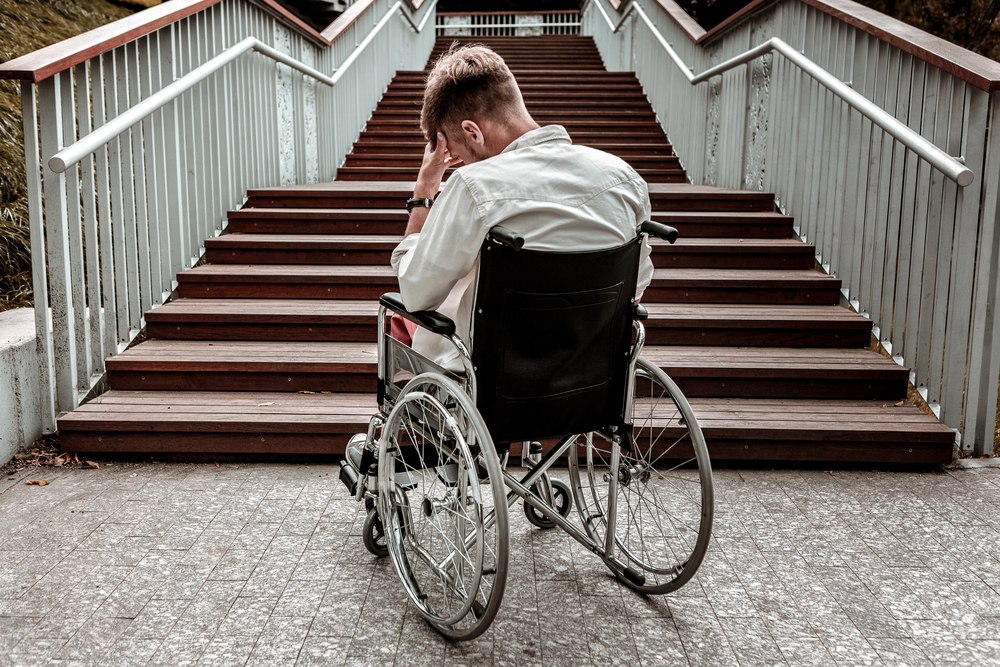
Kazakhstan is expanding efforts to improve accessible transportation for people with disabilities. At a government meeting on April 21, Transport Minister Nurlan Sauranbaev reported on progress in implementing an inclusive policy in the transport sector. He said that, as part of the Inclusive Policy Concept for 2025-2030, Kazakhstan is taking measures to ensure accessibility across three key areas: infrastructure, transport, and services. In the rail sector, approximately 90% of trains have been equipped with lifts and compartments adapted for passengers with disabilities. By 2030, every train is expected to include at least one specialized carriage. Railway stations are being modernized to include essential accessibility features such as ramps and lifting devices. Ticket offices and restrooms are also being upgraded. Passengers with disabilities receive a 50% discount on train tickets, and online booking for specialized compartments is available. In 2025, around 580,000 passengers with disabilities traveled by rail in Kazakhstan. In aviation, accessibility is also improving. Ten airports, including those in Astana and Almaty, now operate 13 lifts for passengers with disabilities. A further five airports are expected to be equipped by the end of the year. In 2025, more than 9,000 passengers with disabilities traveled by air. In the road transport sector, 80% of bus stations and 79% of city buses now meet accessibility requirements. Kazakhstan is also continuing to develop the Invataxi project, which provides specially adapted minivans for passengers with limited mobility. The fleet has expanded by 30%, reaching 1,426 vehicles. Cities across the country are working to improve accessibility more broadly. Infrastructure is being adapted to meet modern standards, while businesses and public institutions are increasingly responding to the needs of people with disabilities by improving access to buildings and interior spaces. According to the Ministry of Labor and Social Protection, more than 29,500 social infrastructure facilities -- 68% of the total -- are now accessible to people with disabilities across Kazakhstan. By the end of 2026, this figure is expected to rise to over 34,000.
TCA Interview: Kazakh Director Venera Kairzhanova on the Bravery of Children with Special Needs

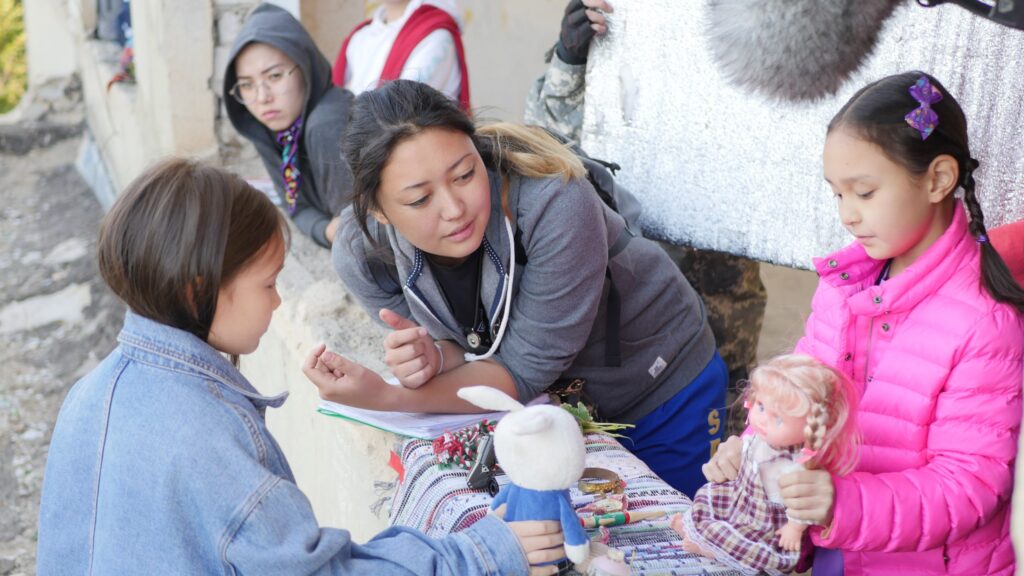
November saw the premiere of Venera Kairzhanova’s debut feature film, Second Mother. The documentary centers on the Meyirim rehabilitation center for children with developmental disabilities. But the film is more than a social chronicle; it’s a warm and luminous portrait of people who help children explore the world every day. Step by step, movement by movement. Kairzhanova spoke with The Times of Central Asia about the making of the film. TCA: Venera, congratulations on the premiere. How did you feel seeing your work on the big screen? Kairzhanova: It was very exciting, but everything went smoothly in a warm, friendly atmosphere. The film was well received, and the theater was full. The audience included employees of the Meyirim center, parents, media representatives, and industry colleagues. The first private screening was back in September, but it was in a small theater with limited guests. This time, it was a huge hall with lots of people, a completely different experience. What’s interesting is that when the project is finished and you watch it with the audience, you see it not just as a director, but also as a viewer. TCA: The audience cried. Did you? Kairzhanova: Yes. At the first screening, very much so. At the second, the emotions were a bit less intense, but the material still moves me: stories about the children, their teachers, their victories. After the screening, people came up to me to share their impressions and that was incredibly valuable. It’s important when a film is not just watched but really touches people’s hearts. [caption id="attachment_39501" align="aligncenter" width="300"] @Galiya Baizhanova[/caption] TCA: Working with children is always a special process. How did you prepare? Kairzhanova: Honestly, I didn’t prepare specifically. I arrived early, observed the classes and that was it. I was nervous, of course, because I didn’t know how the children would react to the cameras, lights, and equipment. But everything went surprisingly well. The children turned out to be incredibly open and sociable. They weren’t shy about the cameras; on the contrary, they played around and looked straight into the lens. Everything was so natural that we hardly interfered. We didn’t ask them to repeat anything or stage any shots. We just captured moments: in the dining room, during classes, and in their interactions. This project made me fall even more in love with documentary filmmaking, even though this is already my fifth documentary. TCA: Which episode was the most emotional for you? Kairzhanova: The film mainly focuses on the rehabilitation center’s educators. We filmed their daily routines: classes, meetings, celebrations. By the third day, everyone had gotten used to each other, and the atmosphere became very warm. One day, we filmed an individual session between instructor Anna Kosenko and a girl named Aisha. She was learning to walk with the help of an exoskeleton. Aisha, fragile, small, beautiful, was taking steps, and Anna was helping her. At one point, Anna asked, “Are you okay?” Aisha smiled and said, “Yes, I’m fine.” TCA: And you couldn’t...

More Invacarriages Added to Kazakhstan’s Trains

As part of a scheme to update its fleet of passenger railway carriages, Kazakhstan is set to increase its volume of ‘Invacarriages’, specially adapted to cater for travellers with special physical needs and impaired mobility. The Kazakh Ministry of Transport has announced that 14 carriages designed for the comfort of passengers in the sector, will be purchased this year, adding to the seven already operating on the Kyzylorda – Semey, Pavlodar – Turkestan, and Aktau – Aktobe routes. In 2023, 11 Invacarriages were commissioned and today, Kazakhstan boasts 110 trains with specialized carriages for passengers with impaired mobility. Manufactured to safety standards in Kazakhstan, the Invacarriages offer more space for the free movement of wheelchairs, lifts, and alarm buttons. In addition to the train carriages, Kazakhstan is also expanding its fleet of Invataxis; specially adapted minivans equipped with wheelchair-friendly hydraulic lifts. This year alone, the number of Invataxis operating in the capital, Astana, has risen by 26 to 145, and a total of 119 Invataxi services with the combined fleet of 760 vehicles, currently operate in the country’s regions.  

Two City Railway Stations Renovated in Kazakhstan

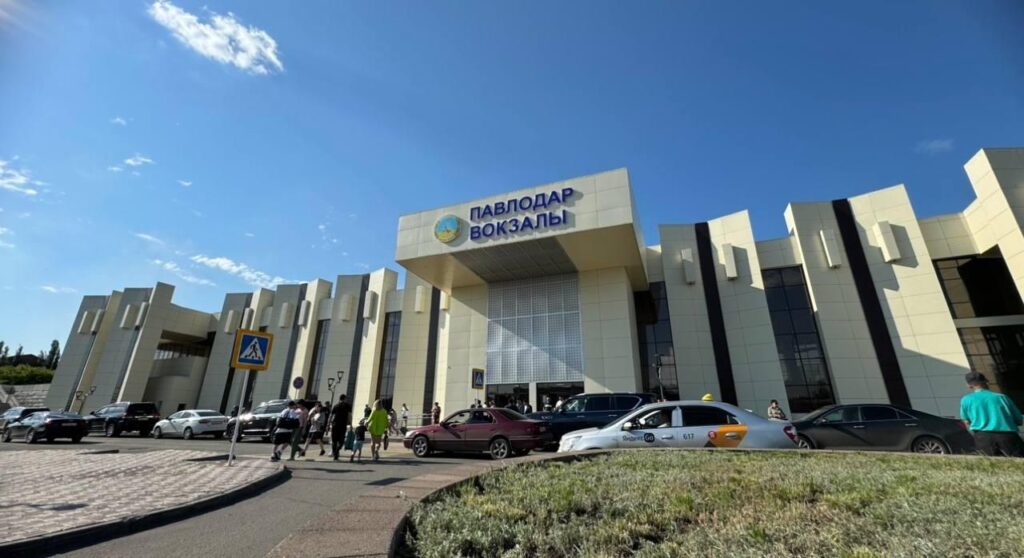
Kazakhstan’s Ministry of Transport has announced the completion of major renovation of railway stations in the southern city of Shymkent and the northern city of Pavlodar. Built in the 1960s, Shymkent railway station, used daily by several thousand passengers , had been in need of attention for some 20 years. Following major reconstruction, the building has been furnished with a new and attractive façade, an additional entrance from the city side and another exit from the platform. The number of ticket offices has increased from six to eight and coupled with extensions to the overall area, the station now has the capacity to serve 6 thousand passengers a day. Renovation of Pavlodar’s forty-year-old station, last repaired in 2004-05, was also completed this year. Lighting, ventilation, water supply and heating systems have been replaced, and both the ticket offices and old stained-glass windows, refurbished. New facilities include a storage room and pharmacy as well as elevators and lifts to aid access for travellers with mobility issues. In addition to a communal waiting room, the station boasts a separate room for women as well as a children’s play area. In Kazakhstan, a country the size of Western Europe, railways remain an important and relatively cheap mode of transport for both locals and tourists alike.    

Over 100,000 People with Disabilities Employed in Kazakhstan

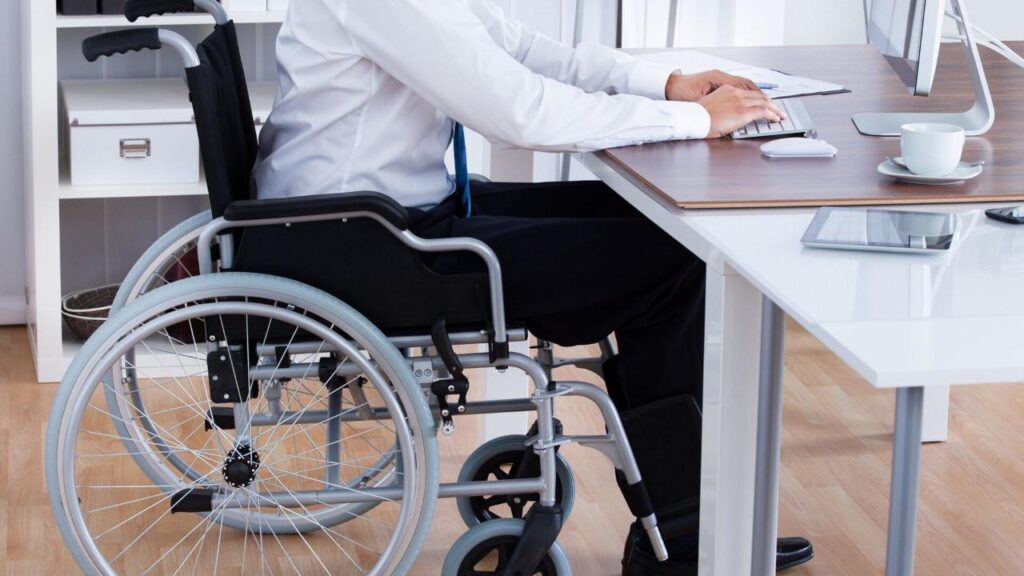
According to statistics issued by Kazakhstan’s Ministry of Labor and Social Protection of the Population on 1 April, 730.5 thousand people with disabilities live in Kazakhstan, equivalent to 3.6% of the total population. Amongst the 419.9,000 of working age, over 11.8,000 have received state support in securing employment, and today, 104.8,000 or 27.4% have jobs. In adherence to the Social Code of Kazakhstan, companies and organizations with at least 50 employees are required to establish a quota of jobs for persons with disabilities in the amount of 2% to 4%. The only exclusions are positions involving heavy manual work and potentially dangerous working conditions. In January-March alone, 3.9,000 people with disabilities were employed under the quota, 12 people received short-term vocational training, and 1.2,000 were trained in the rudiments of entrepreneurship. Since 2018, subsidies have also been available to help cover employers’ costs of equipping  and creating specialized workplaces for persons with disabilities.