Viewing results 1 - 6 of 2
A reported rat infestation at a Turkmen presidential residence near Ashgabat has prompted an overnight extermination operation at the compound in Archabil. According to Chronicles of Turkmenistan, sanitary workers were sent from Ashgabat to the presidential country residence on the night of June 15-16 after rats were found around the grounds. The operation reportedly lasted several hours. Pest-control teams flooded burrows and underground tunnels with water, collected the dead rats, and then treated the area with chemicals. Several carcasses were sent for laboratory testing at the Institute of Clinical Medicine and Epidemiology, housed in the former anti-plague station building. The tests reportedly found no dangerous infectious diseases. The rodents were identified as brown rats, also known as Norway rats. The species is common in urban environments and can carry diseases including leptospirosis, salmonellosis, and murine typhus. The apparent rise in rat numbers in Ashgabat and nearby areas has been linked to the regular killing of stray cats and dogs by city authorities. With fewer natural predators, they said, rats can spread more easily. Animal round-ups are a recurring feature of official preparations in Turkmenistan. In May, Turkmen.News reported that stray cats and dogs were removed from the western port city of Turkmenbashi ahead of a visit by President Serdar Berdimuhamedov. According to the outlet, this was not done subtly, with some animals “were bludgeoned to death with sticks and iron bars” in public view, including in front of children. The reported infestation is awkward for a state that presents Ashgabat and its elite residences as models of cleanliness and order. Turkmenistan’s government has not commented publicly on the incident.
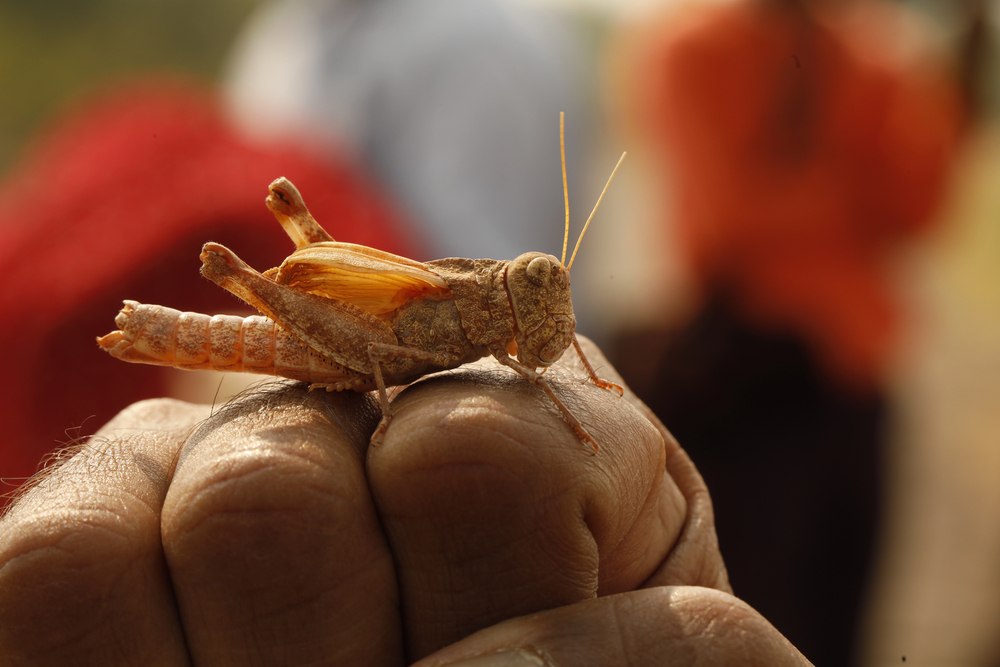
Scientists from Kazakhstan and China have completed field trials of a new biological pesticide designed to combat Moroccan locust infestations, offering a possible lower-impact alternative to conventional chemical insecticides. The trials took place in Kazakhstan’s southern Turkestan Region and showed the effectiveness of a biocontrol agent based on the entomopathogenic fungus Metarhizium anisopliae, according to Kazakhstan’s Ministry of Agriculture. The research was conducted as part of a joint international project focused on developing and demonstrating fungal technologies for preventing and controlling locust outbreaks in transboundary breeding areas. The project involved specialists from Kazakhstan’s Zhazken Zhiembayev Kazakh Research Institute of Plant Protection and Quarantine and researchers from the Institute of Plant Protection of the Chinese Academy of Agricultural Sciences. Field testing was carried out on pastureland in the Kazygurt district of Turkestan Region, where researchers monitored the effect of the fungal preparation on populations of Moroccan locusts (Dociostaurus maroccanus), one of the most destructive agricultural pests in Central Asia. To assess effectiveness, treated insects were placed in field cages containing 20 individuals each. Control groups were established 24 hours after application, and researchers monitored mortality rates daily throughout the trial period. According to the Ministry of Agriculture, the first signs of fungal infection appeared three days after treatment. Mortality rates reached 70-80% by the fifth day, and by the ninth day all locusts in the experimental groups had died. Moroccan locusts are considered among the most dangerous migratory pests in the region, capable of causing extensive damage to pastureland and agricultural crops. Kazakhstan’s Ministry of Agriculture said the results highlight the potential of biological crop protection methods as part of broader efforts to reduce the environmental impact of agricultural pest control. Researchers said the successful trial demonstrated the effectiveness of entomopathogenic fungi in suppressing locust populations without the additional ecological risks associated with large-scale chemical spraying. The next phase of the project will involve wider testing in different climatic zones across Kazakhstan, as well as practical recommendations for incorporating the technology into national locust monitoring and control systems. Locust infestations remain a major agricultural challenge across Central Asia. Last year, Kazakhstan, Uzbekistan, and Kyrgyzstan agreed to expand regional cooperation on locust outbreaks. Kazakhstan has also pursued similar work with Russia and China to coordinate monitoring and pest-control measures across borders.