
• KGS/USD = 0.01143 -0%
  • KZT/USD = 0.00198 -0%
  • TJS/USD = 0.10899 0.65%
  • UZS/USD = 0.00008 -0%
  • TMT/USD = 0.28490 -0.28%
  • KGS/USD = 0.01143 -0%
  • KZT/USD = 0.00198 -0%
  • TJS/USD = 0.10899 0.65%
  • UZS/USD = 0.00008 -0%
  • TMT/USD = 0.28490 -0.28%
  • KGS/USD = 0.01143 -0%
  • KZT/USD = 0.00198 -0%
  • TJS/USD = 0.10899 0.65%
  • UZS/USD = 0.00008 -0%
  • TMT/USD = 0.28490 -0.28%
  • KGS/USD = 0.01143 -0%
  • KZT/USD = 0.00198 -0%
  • TJS/USD = 0.10899 0.65%
  • UZS/USD = 0.00008 -0%
  • TMT/USD = 0.28490 -0.28%
  • KGS/USD = 0.01143 -0%
  • KZT/USD = 0.00198 -0%
  • TJS/USD = 0.10899 0.65%
  • UZS/USD = 0.00008 -0%
  • TMT/USD = 0.28490 -0.28%
  • KGS/USD = 0.01143 -0%
  • KZT/USD = 0.00198 -0%
  • TJS/USD = 0.10899 0.65%
  • UZS/USD = 0.00008 -0%
  • TMT/USD = 0.28490 -0.28%
  • KGS/USD = 0.01143 -0%
  • KZT/USD = 0.00198 -0%
  • TJS/USD = 0.10899 0.65%
  • UZS/USD = 0.00008 -0%
  • TMT/USD = 0.28490 -0.28%
  • KGS/USD = 0.01143 -0%
  • KZT/USD = 0.00198 -0%
  • TJS/USD = 0.10899 0.65%
  • UZS/USD = 0.00008 -0%
  • TMT/USD = 0.28490 -0.28%
07 December 2025

Viewing results 1 - 6 of 3

Kyrgyzstan Eases Plastic Ban to Comply with EAEU Standards

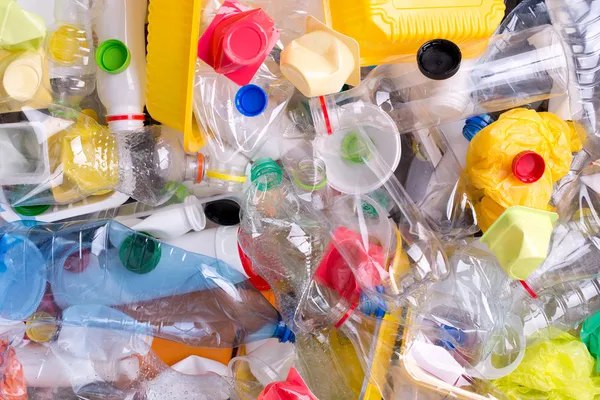
Kyrgyz President Sadyr Japarov has signed amendments to the law “On Limiting the Circulation of Polymer Film Bags and Plastic Items in the Territory of the Kyrgyz Republic,” easing some of the country’s planned restrictions on single-use plastics. The law was originally passed by parliament on June 17, 2025. Initially set to take full effect on January 1, 2027, the legislation included a sweeping ban on the production, import, and sale of several plastic products, including: Polymer film bags All types of disposable plastic tableware Disposable plastic food packaging PET (polyethylene terephthalate) bottles Disposable plastic egg cartons Plastic coffee capsules Grocery bags Under the newly adopted amendments, PET bottles and disposable plastic food packaging have been removed from the list of banned items. Additionally, the original ban on disposable plastic tableware has been narrowed to apply only to non-recyclable products. Aligning with Regional Trade Rules The changes were introduced to align Kyrgyzstan’s environmental legislation with the regulations of the Eurasian Economic Union (EAEU), which comprises Armenia, Belarus, Kazakhstan, Kyrgyzstan, and Russia. Several of the proposed restrictions, particularly the ban on PET bottles and plastic food containers, had sparked concern among domestic and regional businesses, who warned of potential disruptions to manufacturing and cross-border trade. Industry groups argued that the original provisions would have conflicted with common EAEU standards, complicating compliance and affecting supply chains. Environmental Efforts Continue in Issyk-Kul Despite the softening of national restrictions, local efforts to combat plastic pollution remain in place. As The Times of Central Asia previously reported, Kyrgyzstan banned the use and sale of plastic bags in Issyk-Kul’s resort and recreational areas as of March 2025. The move is part of a broader initiative to protect the lake’s fragile ecosystem and preserve environmental cleanliness.
Kazakhstan Considers “Green” Tax on Plastic Packaging

Azhar Sagandykova, a deputy in Kazakhstan’s Mazhilis, has proposed introducing a “green” tax on non-environmentally friendly packaging. She announced the initiative during the IX Eurasian Business Forum Green Energy & Waste Recycling Forum (GEWR-2025). The proposed tax would apply to packaging materials that are difficult to recycle or non-biodegradable, such as polyethylene terephthalate (PET) bottles, plastic bags, and other polyethylene-based containers. “It is time to seriously consider introducing a green tax on non-environmentally friendly packaging and directing the funds collected towards the development of waste recycling,” Sagandykova stated. According to the United Nations Development Programme (UNDP), Kazakhstan produces approximately 4.5 million tons of waste annually. Of this, 80% is generated by the municipal sector, while 20% comes from industry, healthcare, and other sectors. Only about 26% of the total waste is recycled. These figures were confirmed by Zhomart Aliyev, Kazakhstan's Deputy Minister of Ecology and Natural Resources, who also addressed the forum. Speaking on the sidelines of the event, Aliyev commented on the complexities of implementing such a tax. “It is very difficult to say at this stage what a green tax on a particular product should look like. It could affect virtually all sectors of the economy. We have begun preparatory work, but it is still at an early stage. We need to calculate the figures for the whole country in detail,” he said. In addition to the tax proposal, Sagandykova advocated for a dedicated law on waste management to clarify responsibilities, define infrastructure needs, and introduce government incentives. “The existing Environmental Code contains a number of vulnerabilities and does not cover all aspects of waste management. Therefore, within the framework of a working group in the Mazhilis, we intend to review the systemic approach to solving this problem,” she explained. During the summer, deputies plan to collect proposals from businesses, environmentalists, and civil society stakeholders. These suggestions will inform a draft bill to be discussed in the fall. Aliyev added that the government is already working on a comprehensive waste management concept, excluding radioactive waste, which remains under the jurisdiction of the Atomic Energy Agency. The concept, commissioned by the prime minister, is expected to be finalized by September, when a decision will be made on whether a standalone waste management law is necessary. As previously reported by The Times of Central Asia, Kazakhstan had aimed to phase out plastic packaging and tableware by 2025. However, due to a lack of sufficient alternatives in domestic production, the government was forced to abandon the timeline.

Kyrgyzstan Bans Plastic Bags at Lake Issyk-Kul

As of March 1, Kyrgyzstan has banned the use and sale of plastic bags and other plastic products in the resort and recreational areas of the Issyk-Kul region, including the beaches of Lake Issyk-Kul, the country’s main tourist destination. The Ministry of Natural Resources, Ecology, and Technical Supervision announced that fines will be imposed for violations, as part of efforts to protect the lake’s unique ecosystem and maintain cleanliness in the region. Penalties for Violations First offense: Warning Repeated violation within one year:  Individuals - 3,000 KGS ($34) Legal entities - 10,000 KGS ($114) The ban and fines apply to both local residents and tourists. [caption id="attachment_29619" align="aligncenter" width="2560"] Beach at Cholpon Ata; image: TCA, Stephen M. Bland[/caption] "It is not enough to hold only manufacturers or sellers accountable. All citizens must stop using plastic at Issyk-Kul. When visiting the lake, people should bring paper bags or reusable shopping bags," said Almaz Oskonbayev, an official with the ministry. This regional restriction is a precursor to a nationwide ban on plastic bags, set to take effect on January 1, 2027.
