• KGS/USD = 0.01143 0%
  • KZT/USD = 0.00216 0%
  • TJS/USD = 0.10684 -0.28%
  • UZS/USD = 0.00008 0%
  • TMT/USD = 0.28571 0%
  • KGS/USD = 0.01143 0%
  • KZT/USD = 0.00216 0%
  • TJS/USD = 0.10684 -0.28%
  • UZS/USD = 0.00008 0%
  • TMT/USD = 0.28571 0%
  • KGS/USD = 0.01143 0%
  • KZT/USD = 0.00216 0%
  • TJS/USD = 0.10684 -0.28%
  • UZS/USD = 0.00008 0%
  • TMT/USD = 0.28571 0%
  • KGS/USD = 0.01143 0%
  • KZT/USD = 0.00216 0%
  • TJS/USD = 0.10684 -0.28%
  • UZS/USD = 0.00008 0%
  • TMT/USD = 0.28571 0%
  • KGS/USD = 0.01143 0%
  • KZT/USD = 0.00216 0%
  • TJS/USD = 0.10684 -0.28%
  • UZS/USD = 0.00008 0%
  • TMT/USD = 0.28571 0%
  • KGS/USD = 0.01143 0%
  • KZT/USD = 0.00216 0%
  • TJS/USD = 0.10684 -0.28%
  • UZS/USD = 0.00008 0%
  • TMT/USD = 0.28571 0%
  • KGS/USD = 0.01143 0%
  • KZT/USD = 0.00216 0%
  • TJS/USD = 0.10684 -0.28%
  • UZS/USD = 0.00008 0%
  • TMT/USD = 0.28571 0%
  • KGS/USD = 0.01143 0%
  • KZT/USD = 0.00216 0%
  • TJS/USD = 0.10684 -0.28%
  • UZS/USD = 0.00008 0%
  • TMT/USD = 0.28571 0%

Viewing results 1 - 6 of 8

Human Rights Groups Urge Turkmenistan to Release Activists Ahead of Neutrality Anniversary

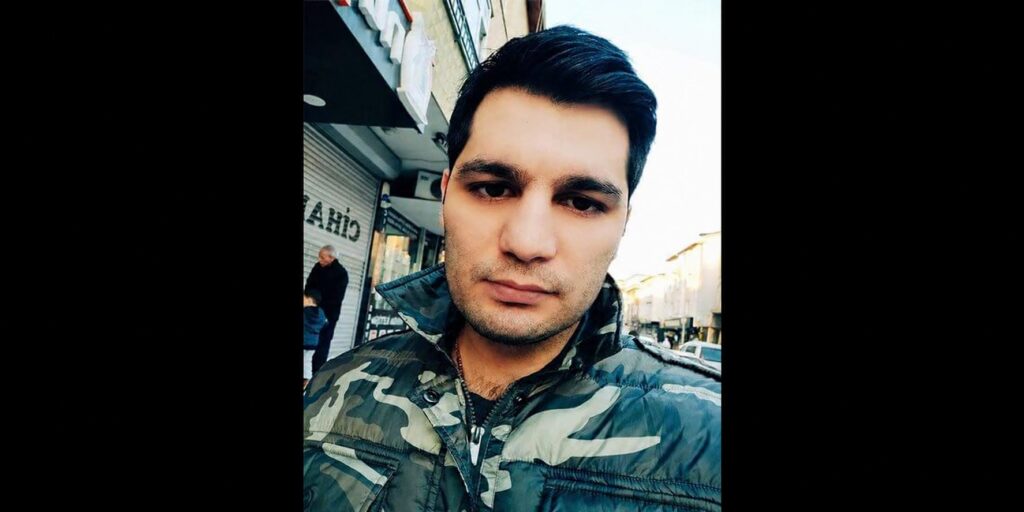
As Turkmenistan prepares to mark the 30th anniversary of its policy of permanent neutrality, international human rights organizations are urging the government to commemorate the occasion by releasing civil society activists imprisoned for peacefully expressing their views. In a joint appeal, the International Partnership for Human Rights (IPHR), the Turkmen Initiative for Human Rights (TIHR), Turkmen.News, and the Norwegian Helsinki Committee (NHC) called on Turkmen authorities to use the milestone as an opportunity to take a humanitarian step by pardoning activists jailed on politically motivated charges. The organizations emphasized that presidential pardons remain the only available legal mechanism for early release in Turkmenistan. Including these cases in the official pardon process, they argue, would demonstrate the country’s willingness to align with international human rights standards. Among the prisoners named in the appeal is Mansur Mingelov, a human rights activist who has been incarcerated since 2012. He is serving a 22 year sentence after publicly denouncing the abuse of ethnic Baloch people. Another activist, Murat Dushemov, was sentenced to four years for publicly criticizing the government and its handling of the COVID-19 pandemic. He was expected to be released in the summer of 2025. The rights groups also expressed growing concern about activists and citizen journalists who were detained abroad and reportedly subjected to forced return to Turkmenistan, where they face prosecution under opaque legal processes. Citizen journalists Alisher Sakhatov and Abdulla Orusov were detained in Turkey in April 2025 on charges of “threatening public safety.” Farhat Meymankuliev was deported from Turkey in 2023 and, according to human rights monitors, subsequently imprisoned following a closed trial. In another case, Malikberdy Allamyrradov was secretly transferred from Russia to Turkmenistan in December 2023 and later charged with assaulting a cellmate. Saddam Gulamov was also forcibly returned from Russia and sentenced to a prison colony in the Lebap region. The human rights groups argue that freeing these individuals would send a strong message of goodwill during a major national celebration and offer a concrete signal of Turkmenistan’s readiness to uphold its international obligations.

Arrests of Opposition Politicians in Kyrgyzstan Sparks Outcry Ahead of Elections

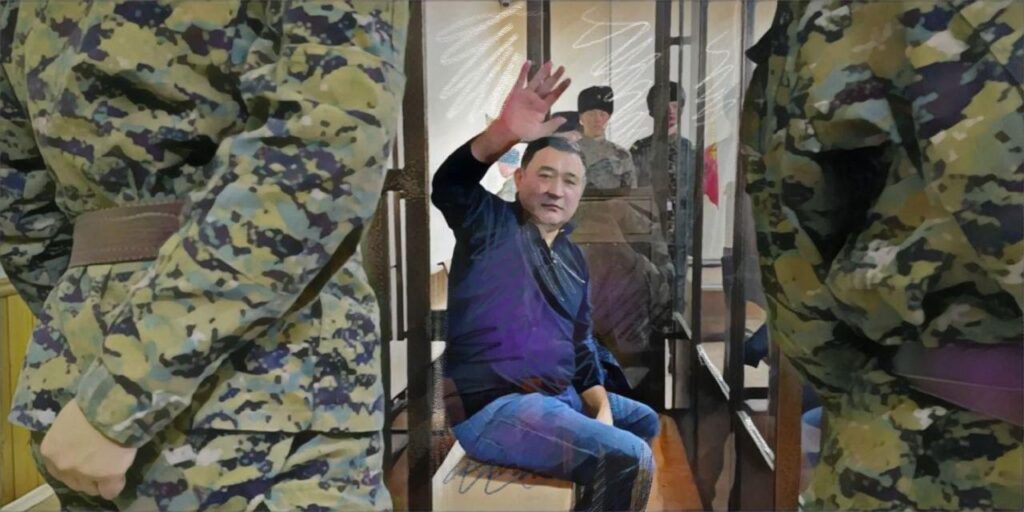
On November 22, law enforcement agencies in Kyrgyzstan launched a large-scale special operation, detaining several opposition politicians, their relatives, and media representatives. The actions were carried out under criminal proceedings initiated under Article 278 of the Criminal Code of the Kyrgyz Republic, “Organization of Mass Unrest”. In three cases, the authorities also alleged attempts to “violently seize power” in what has become an increasingly familiar mantra. The scope of the operation and the number of individuals involved have drawn significant public attention. The arrests come just days before the parliamentary elections scheduled for November 30, prompting concerns among observers about the government's approach to managing opposition voices and maintaining stability during the electoral cycle. Official Version According to the Ministry of Internal Affairs, a “destructive group” was preparing to stage mass protests following the announcement of the election results in the Jogorku Kenesh (parliament). The group allegedly included politicians, former deputies, civil servants, and law enforcement officials. Investigators claim the suspects attempted to recruit members of the criminal underworld and sports organizations to provoke violent clashes. The ministry alleges that the planned unrest would start in the south of the country and then spread to Bishkek and other regions, creating an “effect of mass discontent.” The group reportedly operated through a defined structure, with “coordination groups” tasked with articulating political demands and criminal organizations responsible for applying pressure. Some participants allegedly pre-assigned themselves roles in a proposed political configuration. Investigators also claim the group intended to issue “unconstitutional appeals” and possibly seize government buildings, television channels, law enforcement facilities, weapons, and penitentiary institutions. Separately, the Interior Ministry announced the arrest of Social Democratic Party leader Temirlan Sultanbekov and said he had been charged with organizing mass riots. Waves of Searches and Detentions Local media reported that Kadyrbek Atambayev, the son of former President Almazbek Atambayev, and former first lady Raisa Atambayeva were brought in for questioning. Raisa Atambayeva was released later the same day. Former head of the State Service for Combating Economic Crimes, Syimyk Zhapykeyev, was detained in the Issyk-Kul region and transported to Bishkek for questioning before also being released that evening. Searches were conducted at the home of former deputy Shailoobek Atazov, while other prominent figures, including former Deputy Minister of Internal Affairs and ex-MP Kubanychbek Kadyrov, and the former CEO of the April TV channel, Dmitry Lozhnikov, were also questioned. Authorities linked Lozhnikov to the detained politicians. The Interior Ministry stressed that all actions were authorized by court orders and were part of an ongoing investigation into the organization of mass riots. Court Rulings: Arrests and Preventive Detentions On November 23, the Pervomaisky District Court in Bishkek issued preventive detention orders for ten individuals, including Temirlan Sultanbekov, Shailoobek Atazov, Ermek Ermatov, Damir Musakeev, Kadyrbek Atambayev, Kubanychbek Kadyrov, and businessman Urmat Baryktabasov (also known as Askarbekov). The identities of three additional detainees have not been publicly disclosed. Kadyrbek Atambayev has been remanded in custody until January 17, 2026, according to his lawyer Sergei Slesarev, who confirmed that...

‘No Complaints,’ Says Tajikistan Ombudsman Amid Allegations of Journalist Mistreatment

Representatives from the Office of the Human Rights Ombudsman in Tajikistan stated they have met with several imprisoned journalists and received no formal complaints from them. The announcement was made by Khusniddin Nidoev, deputy head of the department for civil and political rights protection, during a press conference on August 4. Visit to the Detention Facility According to Nidoev, he personally visited the “First Soviet” correctional colony on May 5, where he met with journalists Daler Emomali, Zavkibek Saidamin, Abdullo Gurbati, and Ahmad Ibrohim, editor-in-chief of the regional newspaper Paik. “We are in constant contact with them. Even during phone conversations with the heads of institutions, we ask about their condition, especially those whose names are widely covered in the media,” Nidoev said. He added that the journalists expressed satisfaction with their conditions and did not report any grievances. Relatives Raise Concerns However, relatives of other imprisoned journalists have reported troubling circumstances. The family of Abdusattor Pirmuahmadzoda, a blogger and former employee of Radio Sadoi Dushanbe, said they have had no contact with him since March. His brother, Abdukarim, told Asia-Plus that Abdusattor was placed in solitary confinement after he publicly questioned why his name was excluded from a list of candidates for amnesty during an official visit to the prison. Since then, neither his wife nor his children have been able to visit him, despite repeated requests. Nidoev confirmed that the ombudsman’s office met with Pirmuahmadzoda in 2024 while he was held in a Khujand prison but acknowledged that no such visit has occurred this year. He promised to investigate his current status. In a separate case, the wife of Zavkibek Saidamin, Mahfirat Khudoynazarova, reported in early July that her husband is suffering from a nervous condition and experiencing pain in his spine and eyes. “We sent him medicine. He is taking it. They said he was examined by an eye doctor and treated. But he still doesn’t feel well,” she told Asia-Plus. Meanwhile, the families of Daler Emomali and Ahmad Ibrohim have said their relatives are in stable condition, although they continue to object to their imprisonment. Sentences and Human Rights Reactions The prison terms for the journalists range from seven to over ten years. Ahmad Ibrohim was sentenced to 10 years and 4 months, Daler Emomali to 10 years, Abdullo Gurbati to 7.5 years, and both Abdusattor Pirmuahmadzoda and Zavkibek Saidamin to 7 years each. Appeals filed by defense lawyers and relatives have been rejected by higher courts, leaving the sentences in force. International human rights organizations, including Reporters Without Borders, have repeatedly condemned the imprisonments as politically motivated and called for the journalists’ immediate release. To date, Tajik authorities have not responded publicly to these demands. Since 2022, at least six journalists have been arrested and sentenced to lengthy prison terms in Tajikistan.

Kazakh Activists Slam PACE Member’s Allegations

Kazakh civil activists have strongly criticized a written declaration signed by 20 of the 306 members of the Parliamentary Assembly of the Council of Europe (PACE), labeling it a “defamatory document.” Their response, representing various non-governmental organizations and public associations across Kazakhstan, accuses PACE signatories of bias, double standards, and a lack of objectivity in its assessment of human rights and democratic practices in the country. The contentious declaration, published on the PACE website on February 5, 2025, alleges that Kazakhstan has imprisoned eight political dissidents and is repressing another five individuals living abroad. However, Kazakh civil society representatives argue that these claims are misleading and politically motivated. A key point of contention is the alleged connection between the individuals named in the declaration and Mukhtar Ablyazov, a notorious figure accused of embezzling $8-10 billion during his tenure as chairman of BTA Bank. Ablyazov has been the subject of multiple legal judgments in the UK and US, with liabilities exceeding $5 billion, including two jury trial verdicts in the Southern District of New York in 2022 and 2024 with regard to the laundering of the stolen funds. The activists assert that the individuals referenced in the PACE declaration are not political prisoners but rather individuals convicted of ordinary criminal offenses. In their February 24 response, the Kazakh civil society representatives expressed concern over what they perceive as an attempt by certain PACE members to “militarize” Europe’s democratic agenda against Kazakhstan. “We are deeply concerned about how individual PACE representatives are attempting to ‘militarize’ Europe’s democratic agenda in relation to Kazakhstan,” the statement reads. “We have every reason to believe that the authority of PACE is being actively used by criminal elements to advance their interests - among whom we include Mukhtar Ablyazov and his supporters.” While the PACE declaration called for an investigation into Kazakhstan, the civil activists countered by urging European law enforcement agencies to investigate potential abuses of office by PACE representatives. They accused PACE of turning a blind eye to systemic corruption, such as the “Qatargate” scandal, and questioned whether connections between those implicated in “Qatargate” and individuals shaping PACE’s stance on Kazakhstan are fueling a biased agenda. [caption id="attachment_29119" align="aligncenter" width="683"] According to its website, the National Endowment for Prosperity is an "organization dedicated to the protection of human rights, strengthening democracy and developing civil society, implementing a wide range of projects and initiatives in these areas."[/caption] The rebuttal, titled “Response of representatives of civil society of Kazakhstan to the declaration of the Parliamentary Assembly of the Council of Europe,” was signed by 20 prominent figures from Kazakh civil society. These include Marlen Imangaliyev from the "Veterans of military operations who took part in the settlement of the interethnic conflict in Nagorno-Karabakh in the Caucasus region" public association; Usen Suleimen and Marat Sarsembayev from the “National Endowment for Prosperity”; Salamat Kabidayev from the "Eurasian Peace and Accord" institution; and Dauyl Togzhan from the "Alash Ulandary" public foundation. The response underscores the activists’ belief that the actions...