• KGS/USD = 0.01143 -0%
  • KZT/USD = 0.00198 -0%
  • TJS/USD = 0.10899 0.93%
  • UZS/USD = 0.00008 0%
  • TMT/USD = 0.28490 -0.28%
  • KGS/USD = 0.01143 -0%
  • KZT/USD = 0.00198 -0%
  • TJS/USD = 0.10899 0.93%
  • UZS/USD = 0.00008 0%
  • TMT/USD = 0.28490 -0.28%
  • KGS/USD = 0.01143 -0%
  • KZT/USD = 0.00198 -0%
  • TJS/USD = 0.10899 0.93%
  • UZS/USD = 0.00008 0%
  • TMT/USD = 0.28490 -0.28%
  • KGS/USD = 0.01143 -0%
  • KZT/USD = 0.00198 -0%
  • TJS/USD = 0.10899 0.93%
  • UZS/USD = 0.00008 0%
  • TMT/USD = 0.28490 -0.28%
  • KGS/USD = 0.01143 -0%
  • KZT/USD = 0.00198 -0%
  • TJS/USD = 0.10899 0.93%
  • UZS/USD = 0.00008 0%
  • TMT/USD = 0.28490 -0.28%
  • KGS/USD = 0.01143 -0%
  • KZT/USD = 0.00198 -0%
  • TJS/USD = 0.10899 0.93%
  • UZS/USD = 0.00008 0%
  • TMT/USD = 0.28490 -0.28%
  • KGS/USD = 0.01143 -0%
  • KZT/USD = 0.00198 -0%
  • TJS/USD = 0.10899 0.93%
  • UZS/USD = 0.00008 0%
  • TMT/USD = 0.28490 -0.28%
  • KGS/USD = 0.01143 -0%
  • KZT/USD = 0.00198 -0%
  • TJS/USD = 0.10899 0.93%
  • UZS/USD = 0.00008 0%
  • TMT/USD = 0.28490 -0.28%
07 December 2025

Viewing results 1 - 6 of 4

World Bank Warns Tajikistan on Limits of Migration-Driven Growth

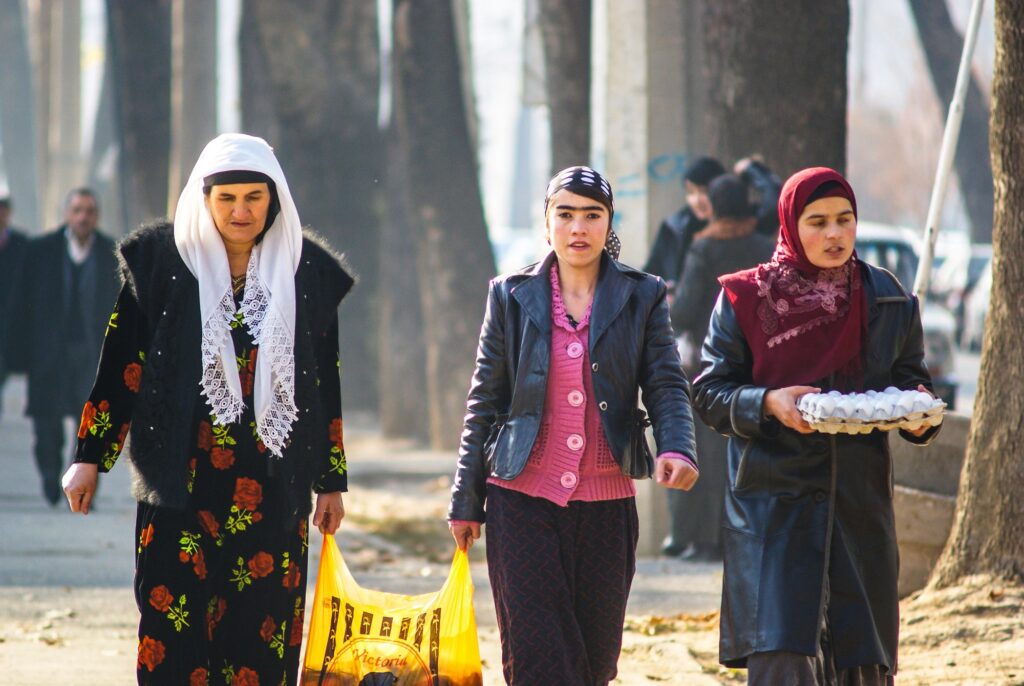
Tajikistan has made notable strides in reducing poverty over the past decade, but sustaining this progress will require a shift away from reliance on labor migration and remittances, according to a new World Bank report. The Poverty and Equity Assessment in Tajikistan notes that the share of people living in poverty fell from 56 percent in 2010 to around 20 percent in 2024. During the same period, the middle class expanded from 8 percent to 33 percent of the population, with 35 percent of households joining its ranks between 2021 and 2023. However, these gains have largely been driven by remittances, which consistently account for more than 30 percent of GDP, rather than domestic job creation. Job Creation Remains Weak Employment generation, however, remains limited. As of 2022, only 40 percent of the working-age population was employed, the lowest rate in the region, while female labor force participation stood at just 21 percent. Inequality has also worsened. The Gini coefficient rose from 32 to 38 between 2021 and 2023, with rural and remote areas most affected due to poor infrastructure and weak market access. Education poses an additional constraint. In 2023, 31 percent of children were not attending school, especially at higher grade levels. Contributing factors include financial hardship, distance to schools, and low parental education. Many university graduates either take low-paid jobs or emigrate. World Bank Recommendations The World Bank urges Tajikistan to transition from a remittance-dependent model to one grounded in domestic employment and economic resilience. Key recommendations include: modernizing agriculture with climate-resilient technologies; promoting labor-intensive private sector growth, particularly in agricultural processing, services, and small enterprises; expanding access to education, vocational training, and digital infrastructure, especially in rural areas; strengthening targeted social support for vulnerable households. “Tajikistan’s progress in poverty reduction is impressive, but sustaining and deepening these gains requires a rebalancing of priorities,” said Wei Winnie Wang, the World Bank’s Acting Country Manager in Tajikistan. She emphasized that improving domestic job creation, reducing spatial inequality, and investing in human capital would help build a more inclusive and sustainable economy. Government Response Tajikistan’s Ministry of Economic Development and Trade acknowledged that the report’s findings align with national development priorities. Deputy Minister Ahliddin Nuriddinzoda highlighted the role of the Poverty and Middle Class Expansion Council, established with World Bank support, as a platform for monitoring poverty and shaping related policy. According to the ministry, the World Bank’s current portfolio in Tajikistan includes 26 projects worth $1.9 billion, focused on infrastructure, human capital, and institutional reforms. The International Finance Corporation has also invested more than $70 million in the private sector.

Swiss Ambassador: Returned Funds to Uzbekistan Support Schools and Social Projects

Switzerland's Ambassador to Uzbekistan Konstantin Obolenskiy has reaffirmed that Switzerland is repatriating assets obtained from criminal sources to Uzbekistan, with the funds being directed toward projects that reduce poverty and improve social infrastructure. Speaking to Dunyo at the III International Forum “From Poverty to Prosperity” in the Uzbek city of Namangan, Obolenskiy expressed admiration for Uzbekistan’s reported progress. “I had the privilege to attend the opening of the forum, and I was deeply impressed by the outcomes announced, how many people have been lifted out of poverty, how new economic and social assistance is being provided, the conditions being created so people can live a dignified life. This information is very important,” he said. The ambassador underscored Switzerland’s direct involvement in supporting Uzbekistan’s anti-poverty efforts. “We are returning to Uzbekistan funds taken from criminal sources, and these funds are being used for social projects that directly contribute to poverty reduction,” he stated. As an example, Obolenskiy pointed to a new initiative being signed at the forum. “Documents are being signed for a project to modernize over forty schools, improving sanitation and hygiene facilities such as toilets and showers, and enhancing the energy efficiency of buildings. All this is done in the interest of the people, for the country’s future.” He emphasized that the asset repatriation process reflects the shared will of both the Swiss and Uzbek governments. “The results achieved in reducing poverty are remarkable and these pleased not only me but all forum participants. In Uzbekistan, we believe every person has the right to fully realize their economic and social potential and live in dignity.” Swiss authorities have long been involved in legal proceedings related to Gulnara Karimova, the daughter of Uzbekistan’s late president. As previously reported by The Times of Central Asia, Switzerland has agreed to return approximately $182 million in confiscated assets linked to Karimova. These funds were seized during Swiss criminal investigations and will be transferred to Uzbekistan through the UN-managed Uzbekistan Vision 2030 Fund. A separate, earlier agreement between the two countries involved the return of around $131 million, also tied to Karimova, using the same trust fund mechanism.

Uzbekistan Halves Child Poverty in Four Years

Uzbekistan has achieved a significant reduction in child poverty over the past four years. According to UNICEF Representative Regina Maria Castillo, the child poverty rate dropped from 21.5% in 2021 to just 11.4% in 2024, effectively cutting the figure in half. Speaking at an international forum in Namangan, Castillo credited deliberate government policy for the 10-percentage-point decline. She emphasized that government-funded social benefits, including child allowances and pensions, played a critical role in lifting families out of poverty. Without these support mechanisms, she noted, child poverty could have sharply increased during the same period. Castillo also highlighted the importance of universal state-provided services, such as education, healthcare, and child protection, as essential pillars for developing human capital. She stressed that prioritizing child poverty reduction within broader socio-economic policy is vital, adding that UNICEF stands ready to support the Uzbek government through a multi-sectoral approach. Reducing poverty has become a central national priority in Uzbekistan. President Shavkat Mirziyoyev has set an ambitious target: to lower the national poverty rate to 6% by the end of 2025 and to eradicate absolute poverty entirely by 2030. These goals build on substantial progress already achieved. According to official figures, approximately 7.5 million people have been lifted out of poverty in recent years. The national poverty rate declined to 8.9% in 2024, down from around 23% a few years prior. The World Bank estimates that poverty in Uzbekistan has halved since 2015, a rate of decline faster than the regional average. At the Namangan forum, Mirziyoyev announced that as of mid-2025, the poverty level had dropped further to 6.8%, placing the country on track to meet its 6% year-end target. “Thanks to consistent reforms, 7.5 million people have been lifted out of poverty… The objective is to reduce this to 6% by year-end,” he said. “By 2030, Uzbekistan has every opportunity to completely eradicate absolute poverty and we will definitely achieve this.” Several key drivers underpin the country's progress. Rising household incomes account for roughly 60% of the recent poverty reduction, according to the World Bank. With the economy nearly doubling in size over the past eight years, economic growth has translated into higher wages and job creation, lifting many families above the poverty line. Another major contributor has been the expansion and modernization of social benefit programs. Increased spending on pensions and direct aid has protected millions from falling into extreme hardship. Notably, during the COVID-19 pandemic, Uzbekistan mobilized $8 billion for free medical supplies and direct payments, which prevented an estimated 5.2 million people from falling into the “poverty trap.” Looking ahead, sustaining these gains will hinge on job creation and human-capital improvements, sharper targeting in social protection, and stronger climate resilience - especially in rural regions. UNICEF’s 2024 situation analysis likewise flags regional disparities in child poverty and stresses better services for large, low-income households. The World Bank’s climate assessments, meanwhile, warn that rising temperatures and mounting water stress could push vulnerable rural families back into poverty without quicker adaptation in agriculture...

Uzbekistan Aims to Cut Poverty Rate to 6% by End of 2025

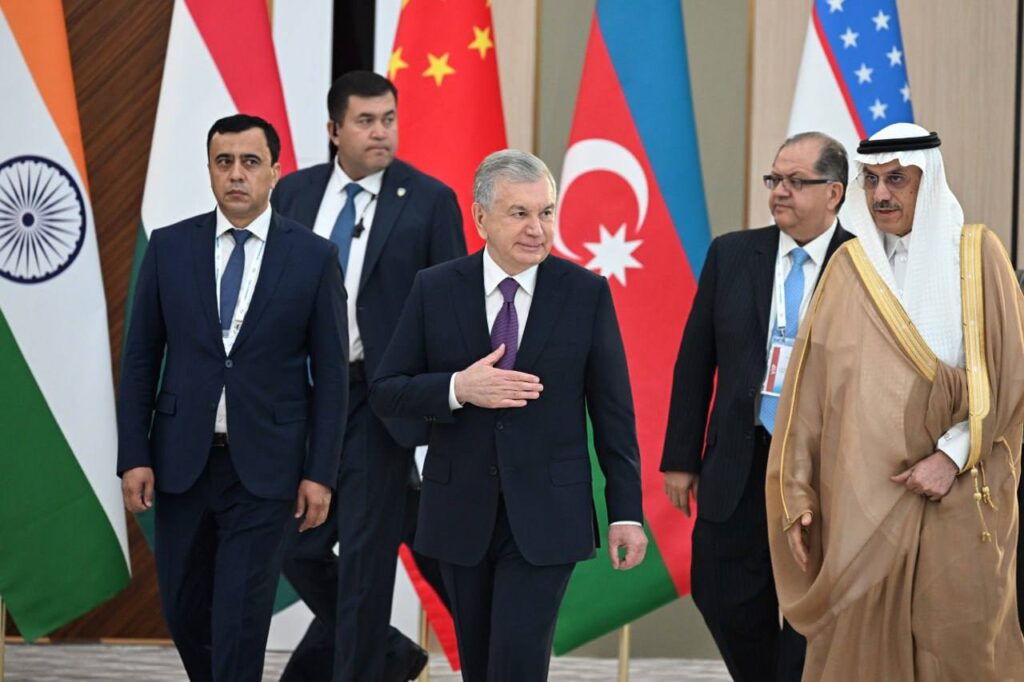
Uzbekistan aims to cut its national poverty rate to 6 percent by the end of 2025, President Shavkat Mirziyoyev announced at the opening of the third international forum From Poverty to Prosperity in Namangan on September 17. The forum brought together representatives from more than 30 organizations and approximately 200 experts, including Islamic Development Bank President Muhammad Al-Jasser, Asian Development Bank Vice President Yingming Yang, Japan International Cooperation Agency Senior Vice President Sachiko Imoto, United Nations Special Representative for Central Asia Kaha Imnadze, and World Bank Global Director for Poverty Reduction Luis Felipe López-Calva. Mirziyoyev warned that the world is entering a period of increasing instability, citing climate change, water scarcity, pandemics, and slowing economic growth. Since 2015, global economic growth has averaged just 3 percent annually, while the number of people living in poverty has risen from 650 million to over 800 million. In Uzbekistan, poverty reduction has become a national priority. Over the past eight years, government reforms have focused on human rights, employment, and income generation, supported by international institutions such as the World Bank and the United Nations. According to official data, 7.5 million people have been lifted out of poverty, bringing the national poverty rate down to 8.9 percent in 2024. “By the end of this year, we aim to reduce it further to 6 percent,” Mirziyoyev said. Uzbekistan’s economy has doubled in size in recent years, with per capita income projected to reach $3,500 by the end of 2025. Growth has been driven by targeted social programs, mahalla-based community initiatives, and land reforms. During the COVID-19 pandemic, more than 2 million families received social assistance, while the redistribution of 235,000 hectares of farmland provided an additional source of income for 800,000 families. “Every neighborhood is becoming a hub for business, and every family is seeing the benefits of prosperity,” Mirziyoyev said. He added that Uzbekistan is on track to halve poverty by 2030, in line with the UN Sustainable Development Goals, and could eradicate absolute poverty by the end of the decade. The president also called for a “new financial architecture” to mobilize global resources for sustainable development. He proposed hosting an international conference in Khiva in 2026, with the participation of donor organizations, financial institutions, and partner governments. “Uplifting human dignity through decent living conditions and poverty reduction lies at the heart of all our reforms,” he concluded.