Turkmenistan Advances TAPI Pipeline and Infrastructure Projects in Herat
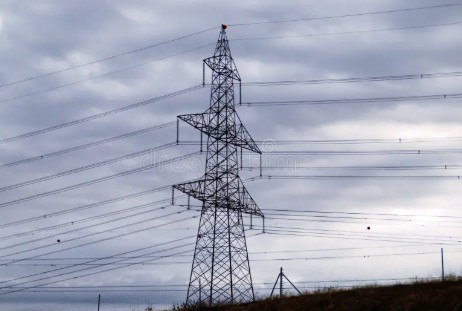
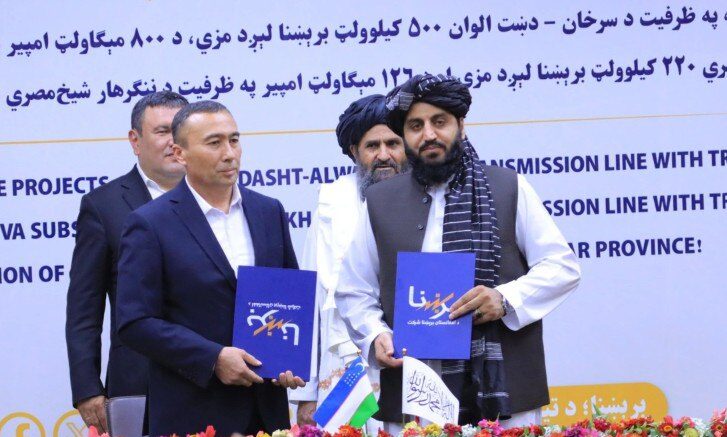
Turkmenistan has spent years seeking new gas export routes, and in western Afghanistan that effort is taking physical form. By mid-September, 122.3 kilometers of pipe had been welded and laid along the Turkmenistan-Afghanistan-Pakistan-India (TAPI) route in Herat Province. Ashgabat is also pursuing two other connections with Afghanistan along the same corridor. Energy officials are discussing a 500 kV transmission line, while plans call for a railway from the Turkmen border to reach Herat and eventually extend farther south. Herat is becoming the focal point for Turkmen gas, electricity, and freight. For Ashgabat, supplying Herat could give TAPI its first functioning Afghan market without waiting for the entire pipeline to reach Pakistan and India. Afghanistan would gain energy supplies and infrastructure, as well as a chance to connect its western region more closely to regional trade. As of September 15, Afghanistan’s Ministry of Mines and Petroleum reported that 150.3 kilometers of the 153-kilometer TAPI route in Herat Province had been prepared for pipe installation. Of the 122.3 kilometers of pipe welded and laid, 71.5 kilometers had been buried. Hydrostatic testing had been completed on 33 kilometers. The ministry’s estimate of nearly 80% completion applies only to pipe-laying along this section. In May, the ministry reported that 63 kilometers of pipe had been laid. Four months later, the figure had nearly doubled. The pipeline is designed to run roughly 1,814 kilometers from Turkmenistan’s Galkynysh gas field through Afghanistan and Pakistan to the Indian border. Its planned capacity is 33 billion cubic meters a year. At full capacity, the Asian Development Bank’s current project description allocates 5% of the gas to Afghanistan and 47.5% each to Pakistan and India. The pipeline has been under discussion for more than three decades. Conflict, financing shortages, security threats, and disputes over commercial terms have repeatedly delayed it. Work on Afghan territory resumed in September 2024. The latest figures from Herat make it possible, for the first time in years, to measure TAPI’s progress in kilometers of pipeline rather than diplomatic statements. For Turkmenistan, the stakes are high. The country holds the world’s fourth-largest natural gas reserves, but most of its gas exports go to China. Beijing receives around 30 billion cubic meters of Turkmen gas annually and continues to work with Ashgabat on expanding production at Galkynysh. In February, Gurbanguly Berdimuhamedov said diversifying gas export routes was one of the country’s primary goals. Together, Pakistan and India would provide Turkmenistan with markets comparable in scale to its Chinese market. To reach them, however, the pipeline still has to cross most of Afghanistan and then Pakistan. Tensions between Kabul and Islamabad, along with the difficult relationship between Pakistan and India, continue to create political and transit risks for the full project. Herat offers a smaller market that could be reached sooner. A distribution network is planned in the city to supply gas to businesses, power plants, and households. In August, Turkmengaz and Afghan Gas signed a memorandum on the gasification of the province. The memorandum covers local...