Uzbekistan and SOCAR Advance $2 Billion Ustyurt Energy Project
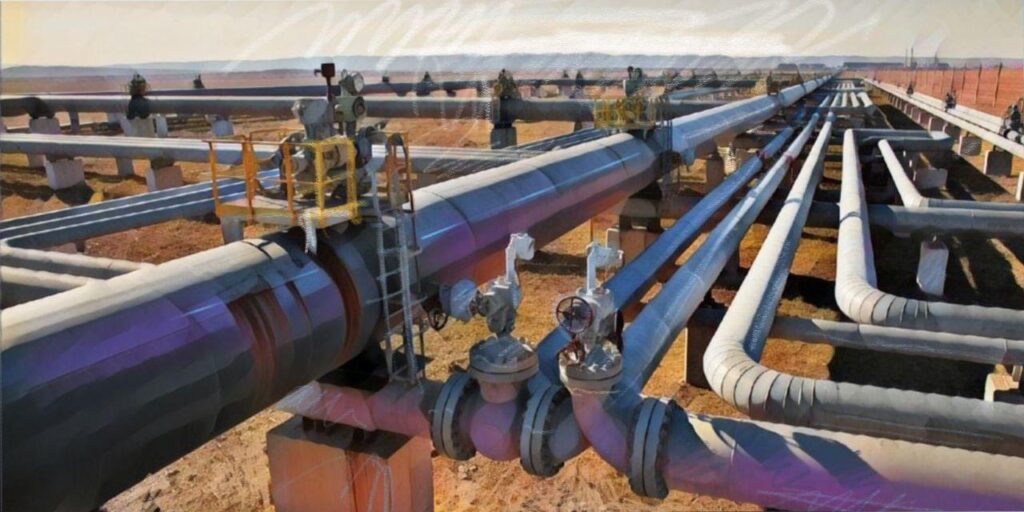
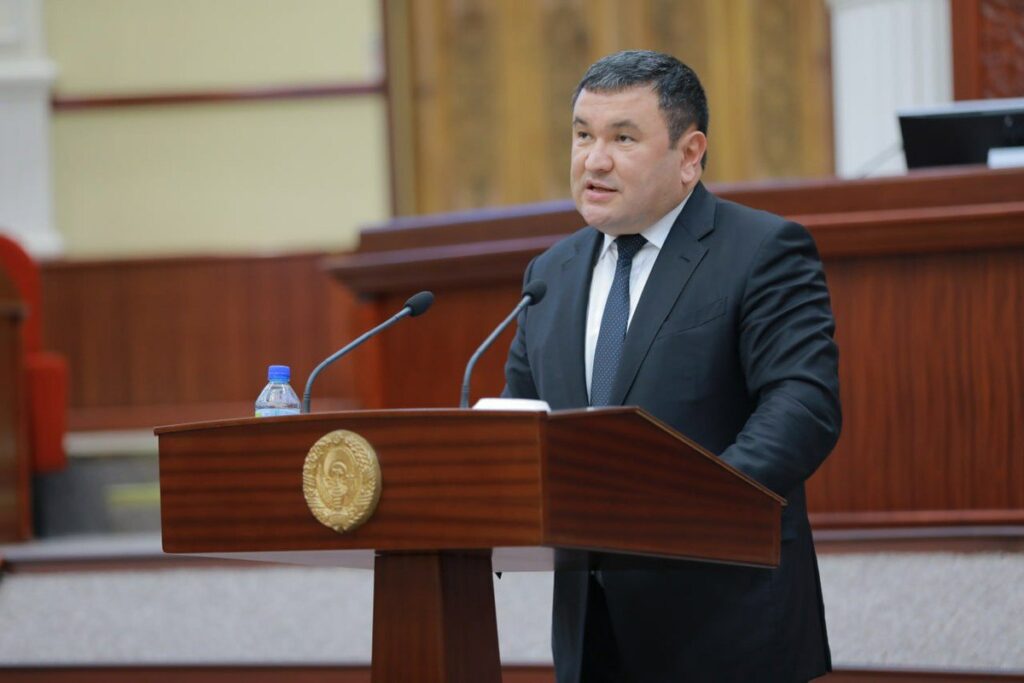
Uzbekistan’s Minister of Energy, Jorabek Mirzamahmudov, has outlined the country’s deepening energy cooperation with Azerbaijan’s state oil company SOCAR, highlighting progress on a recently signed Production Sharing Agreement (PSA) for the Ustyurt region and broader plans in petrochemicals and electricity trade. In an interview with Azerbaijani media outlet Report, Mirzamahmudov confirmed that Uzbekistan, SOCAR, and Uzbekneftegaz have already established a joint operating company to oversee the Ustyurt project. Fieldwork is expected to accelerate soon, with seismic surveys covering over 3,000 linear kilometers set to begin before year-end, followed by the drilling of the first exploration well. The PSA structure splits ownership equally between the state and investors, with SOCAR and Uzbekneftegaz as the primary partners. British energy major BP has shown interest and is in preliminary discussions to join the consortium. Azerbaijani President Ilham Aliyev stated in August that SOCAR had commenced work at an Uzbek oil field following the contract signing. He expressed optimism about potential discoveries within the next one to two years. Mirzamahmudov acknowledged that earlier data on Ustyurt had not suggested large hydrocarbon reserves but said that modern interpretation techniques have revealed greater potential. While refraining from early reserve estimates, he said SOCAR specialists are optimistic about promising oil indicators. If confirmed, Uzbekistan plans to build a new refinery. Total investment in the Ustyurt project is projected at around $2 billion. The minister said SOCAR and Uzbekneftegaz would finance the project’s initial stages, with BP possibly joining later. He did not rule out future collaboration with Azerbaijan on major fields like Shah Deniz or Absheron but emphasized that Uzbekistan’s current priority is increasing domestic production. In the long term, joint ventures in third countries are also being considered. Trans-Caspian Energy and Renewables Push Mirzamahmudov also discussed the proposed trans-Caspian high-voltage direct current (HVDC) cable project aimed at exporting renewable energy to Europe. A joint venture involving Azerbaijan, Kazakhstan, and Uzbekistan has already been formed. The Asian Development Bank is assisting in selecting a consultant for the project’s feasibility study. Several countries, including Saudi Arabia, have expressed interest. Uzbekistan currently generates more than 20% of its electricity from renewables and aims to increase that share to 54% by 2030. In the Ustyurt region alone, wind projects totaling over 2.5 GW are under development, with the first 100 MW already operational. The government also plans to deploy hybrid wind-solar-storage systems with a minimum capacity of 5 GW. Localization and Petrochemical Cooperation Mirzamahmudov noted that future oil and gas processing facilities could be localized in special economic zones in Bukhara, Karakalpakstan, and Khorezm, which are currently being evaluated for infrastructure and logistics readiness. A joint venture with SOCAR Trading is already exporting polymer products, and ongoing discussions aim to expand cooperation in fuel production and fertilizer manufacturing.