• KGS/USD = 0.01143 0%
  • KZT/USD = 0.00205 0%
  • TJS/USD = 0.10724 0.09%
  • UZS/USD = 0.00008 0%
  • TMT/USD = 0.28571 0%
  • KGS/USD = 0.01143 0%
  • KZT/USD = 0.00205 0%
  • TJS/USD = 0.10724 0.09%
  • UZS/USD = 0.00008 0%
  • TMT/USD = 0.28571 0%
  • KGS/USD = 0.01143 0%
  • KZT/USD = 0.00205 0%
  • TJS/USD = 0.10724 0.09%
  • UZS/USD = 0.00008 0%
  • TMT/USD = 0.28571 0%
  • KGS/USD = 0.01143 0%
  • KZT/USD = 0.00205 0%
  • TJS/USD = 0.10724 0.09%
  • UZS/USD = 0.00008 0%
  • TMT/USD = 0.28571 0%
  • KGS/USD = 0.01143 0%
  • KZT/USD = 0.00205 0%
  • TJS/USD = 0.10724 0.09%
  • UZS/USD = 0.00008 0%
  • TMT/USD = 0.28571 0%
  • KGS/USD = 0.01143 0%
  • KZT/USD = 0.00205 0%
  • TJS/USD = 0.10724 0.09%
  • UZS/USD = 0.00008 0%
  • TMT/USD = 0.28571 0%
  • KGS/USD = 0.01143 0%
  • KZT/USD = 0.00205 0%
  • TJS/USD = 0.10724 0.09%
  • UZS/USD = 0.00008 0%
  • TMT/USD = 0.28571 0%
  • KGS/USD = 0.01143 0%
  • KZT/USD = 0.00205 0%
  • TJS/USD = 0.10724 0.09%
  • UZS/USD = 0.00008 0%
  • TMT/USD = 0.28571 0%

Viewing results 1 - 6 of 39

Aging Kyrgyzstan: Economic Challenges and Empowering Seniors

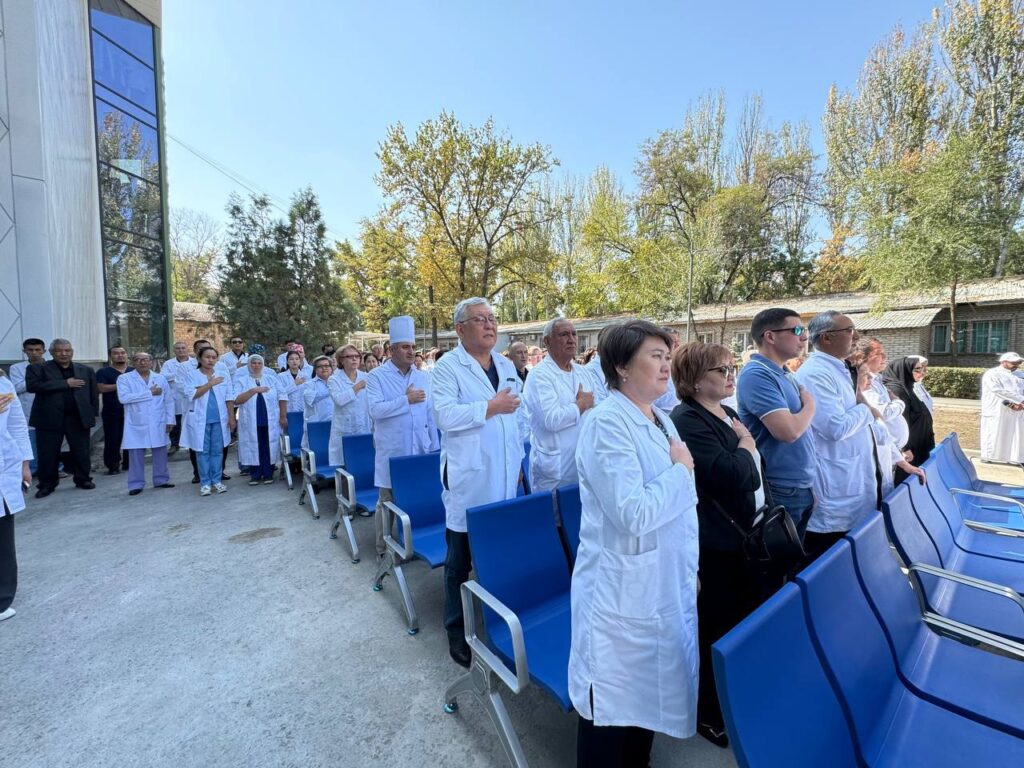
According to the National Statistical Committee of the Kyrgyz Republic, the country's population is aging quickly. Based on UN data, the agency predicts that the proportion of elderly people (65 and over) in Kyrgyzstan will significantly increase by 2030. According to the analysis, currently, 5.7% of the total population is elderly, and this figure may reach 8% by 2030. Speaking about the processes associated with an aging population, experts have highlighted social funds related to the payment of pensions, benefits, and other contributions to people who have finished their careers. Additionally, an aging population will produce fewer materials and public goods, and state tax revenues will decrease, which could lead to a decline in the country's standard of living. However, economist Kubanychbek Idinov sees this as a manageable problem. The 61-year-old believes that the increase in the average age is indicative of an improvement in Kyrgyzstan's standard of living. “The country's GDP is growing, and state budget spending on social projects is increasing. But we need to give pensioners more opportunities to work. This will be a great help to the revenue side of the budget. People who retire can work elsewhere. This allows them not to rely on their pensions alone, to have additional income,” Idinov told The Times of Central Asia. Most retirees in Kyrgyzstan continue to work. Idinov said they start small businesses or enterprises and pass on their experience to young people. According to official data, the country currently has about 150,000 working pensioners. “It is necessary at the state level to support trade unions' work in attracting retirees to work. It is possible to work at the level of local authorities. Then the issue of small pension growth will not be acute for people and the state,” Idinov said. On a related matter, Kyrgyz sociologists say that despite a slowdown, the country's population grew by almost half a million people (+7.8%) over the year. Kyrgyzstan remains the second-largest Central Asian country in terms of population growth after Tajikistan. “The increase in population, despite a slight decrease in the growth rate, is provided by the excess of births over deaths with a negative balance of external migration,” the report of the National Statistical Committee states. The large number of labor migrants returning home is also helping to combat the decrease in the number of able-bodied people. In 2007, experts from the UN Demography Department suggested evaluating countries as those with an old population if more than 7% of its citizens are over 65 years old.

EBRD Supports Healthcare and Municipal Transport Projects in Kazakhstan

The European Bank for Reconstruction and Development (EBRD) has supported Kazakhstan's first healthcare sector public-private partnership (PPP) project, and provided finance for a tram fleet renewal program in the Kazakh city of Pavlodar. The EBRD arranged a €365 million financing package provided by six financial institutions to construct and operate a 630-bed multidisciplinary hospital in Kokshetau, northern Kazakhstan. The financing, including the EBRD’s €105 million loan, will be provided to a Kazakhstan-based subsidiary of Rönesans Holding of Turkey. The project will be co-financed through parallel loans totaling up to €260 million provided by the Asian Infrastructure Investment Bank (AIIB), the German investment corporation DEG, the Islamic Corporation for the Development of the Private Sector (ICD), Proparco, a subsidiary of Agence Française de Développement, and the Development Bank of Kazakhstan (DBK). This first PPP in the healthcare sector of Kazakhstan and Central Asia will be a greenfield development of a 110,000 m2 facility, which will provide services to more than 730,000 people living in the city of Kokshetau and the broader region of Akmola. According to the PPP agreement, the private partner will be responsible for maintaining the facility and running a digital hospital information management system. At the same time, Turar Healthcare, a state-owned, non-profit national healthcare operator, will provide medical services. EBRD President Odile Renaud-Basso, who was visiting Kazakhstan, commented: “The EBRD is pleased to join forces with our longstanding client Rönesans Holding to launch the first healthcare sector PPP in Kazakhstan and the region. PPPs are recognized as one of the most effective forms of long-term contractual relationships between the public and private sectors. They will help provide sustainable healthcare solutions, introduce new technologies, and improve the quality of medical services.” The EBRD has also announced support for a tram fleet modernization program in the north-eastern Kazakh city of Pavlodar. The EBRD’s loan of up to €10 million to Pavlodar tram management company will help the company acquire up to 25 energy-efficient trams. A €4 million loan from the Clean Technology Fund will co-finance the project. The tram company handles almost 40 percent of passenger traffic in the city, with a population of more than 360,000. Yet nearly 60 percent of the company’s fleet was commissioned in the 1970s and 1980s and requires urgent renewal. New battery-powered trams will have an autonomous driving range of up to 20 km, which means they can continue operating during electricity outages. The EBRD has invested €10 billion in 328 projects in Kazakhstan, most of which support private entrepreneurship.

IDB to Fund $156.3 Million for Cancer Hospitals in Turkmenistan

Turkmenportal reported that a Turkmenistan delegation visited Washington DC from October 22 to 26 to participate in the annual meetings of the International Monetary Fund (IMF) and the World Bank, along with related events. During the visit, representatives of Turkmenistan's financial and banking sector engaged in bilateral discussions with foreign partners. According to the Saudi Press Agency, the Islamic Development Bank (IDB) has approved $156.3 million in funding to build three specialized cancer treatment hospitals in Turkmenistan. These modern facilities will be located in Balkanabad, Turkmenabad, and Mari, with a combined capacity to serve over 11,750 patients. The agreement was signed in a meeting between IDB President Muhammad Al Jasser and Rahimberdi Jepbarov, Chairman of the State Bank for Foreign Economic Affairs of Turkmenistan. Meanwhile, on October 24, Swiss pharmaceutical company Roche, in partnership with Nobel Almaty Pharmaceutical Factory, launched the production of innovative drugs in Almaty, Kazakhstan. This initiative is part of an agreement between Roche, Kazakhstan’s SK-Pharmacy, Nobel, and the Kazakh Research Institute of Oncology and Radiology, supported by Kazakh Invest. Under this collaboration, Roche will locally produce three biotechnological drugs to treat HER2-positive breast cancer, a highly aggressive form affecting up to 20% of breast cancer patients in Kazakhstan.

Kyrgyzstan Faces Critical Shortage of 5,000 Doctors

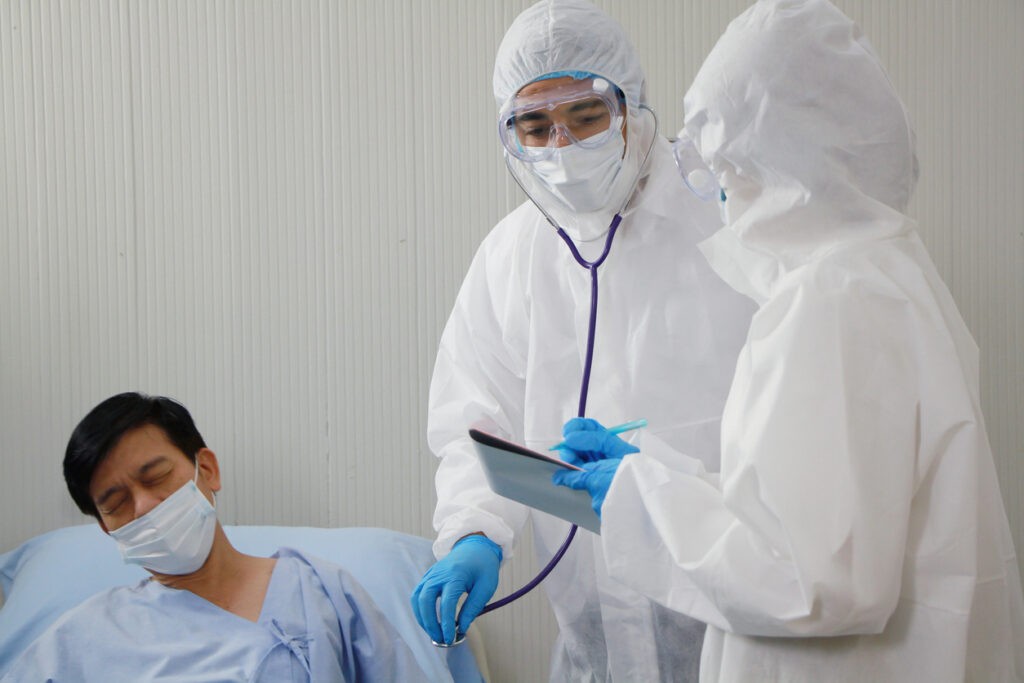
Kyrgyzstan's hospitals are struggling with a shortage of medical staff, with an estimated need for around 5,000 more doctors nationwide, according to Deputy Health Minister Kaarmanbek Baidavletov. He shared these figures during a Jogorku Kenesh meeting, highlighting the urgency of the issue. To address this issue, the Ministry of Health is negotiating with the president's regional representatives to develop solutions. In some districts, local authorities are helping young specialists by taking over utility payments to ease doctors' working conditions. Baidavletov said there should be one doctor for every 1,500 people, but more staff is needed in remote regions and central hospitals. Kyrgyzstan's healthcare system faces several serious challenges. One key problem is the need for more medical personnel, especially in remote regions that lack hematology, neonatology, and pediatrics specialists. In addition, the country has a high incidence of non-communicable diseases such as hypertension and diabetes mellitus, especially among women. The Women's Health initiative has been launched to enhance awareness and early diagnosis of these diseases. Another initiative focuses on antimicrobial resistance (AMR), which the WHO supports. This program provides diagnostic tools and training for medical staff and assesses the prevalence of AMR in Kyrgyzstan to improve clinical protocols and policies in this area.

Swiss Company Roche to Produce Anti-Cancer Drugs in Almaty

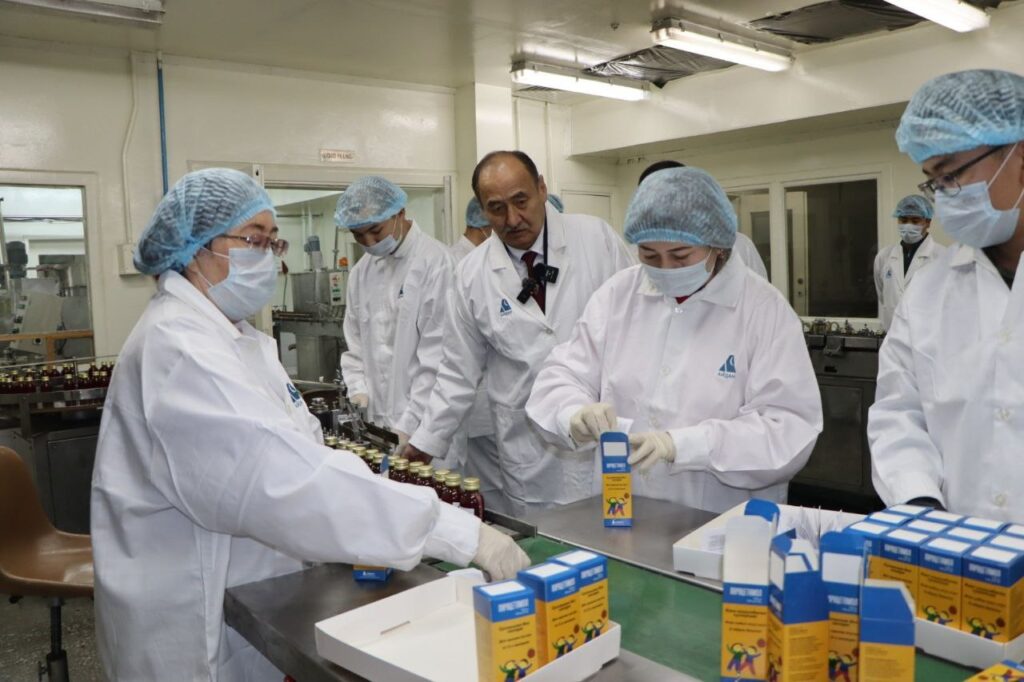
On October 24, the Swiss pharmaceutical giant F. Hoffmann-La Roche Ltd., in partnership with Nobel Almaty Pharmaceutical Factory JSC, launched the production of innovative drugs in Almaty. The project followed an agreement between Roche, Kazakhstan’s SK-Pharmacy LLP, Nobel, and the Kazakh Research Institute of Oncology and Radiology, with the support of National Company Kazakh Invest. Under the agreement, Roche committed to establishing local production of three biotechnological drugs for the treatment of HER2-positive breast cancer, an aggressive form of the disease that affects up to 20% of breast cancer patients in Kazakhstan. At the opening ceremony, Kazakhstan's Minister of Health, Akmaral Alnazarova, said: "The localization [of production] of oncological drugs by a global leader like Roche is a huge step forward for our country. This project will provide patients access to advanced treatments and significantly contribute to developing Kazakhstan's healthcare infrastructure.” The transfer of Roche's advanced technologies and production capabilities to local partners will reduce healthcare system costs in Kazakhstan and significantly expand patient access to essential medicines. Around 5,000 new cases of breast cancer are registered in the country annually, with approximately 1,200 resulting in death. This project is expected to increase the number of patients receiving therapy to 1,335 by 2026. The project is part of Kazakhstan’s plan to increase the share of domestically produced medicines and medical devices to 50%.

Kazakhstan Set to Plant Two Billion Trees

The government's press service reported that about 970 million saplings have been planted across Kazakhstan since 2021, and the country plans to plant over a billion more by the end of 2027. Minister of Ecology and Natural Resources Yerlan Nysanbayev said this at the October 8 government meeting on measures to expand the area under forests in Kazakhstan. Over the past five years, the area under forests in Kazakhstan has increased by 267,000 hectares. At the meeting, Prime Minister Olzhas Bektenov said: "The head of state has set the task of planting two billion trees, which will increase the forest area in the country to 14.5 million hectares. The expansion of forests and parks and the preservation of biodiversity for future generations are some of the priorities for improving the environmental situation. This is a very complex and long-term work. We need to make every effort to increase the area under forests and preserve the existing forests." The meeting focused on measures to protect forests from fires and illegal logging. Large wildfires in the past years have shown the forestry services' unpreparedness to counteract them. In this regard, the government is working to equip them with firefighting machinery and equipment. This year, 52 billion tenge ($106 million) has been allocated to purchase 1,384 pieces of firefighting equipment. Today, the early detection system of forest fires covers more than 900,000 hectares of forests. Its effectiveness has been proved by the example of the Burabay (Borovoye) National Park, where the average area of forest fires has been reduced 50-fold. According to Nysanbayev, another important issue is planting forests on the dried bottom of the Aral Sea. Over the past 30 years, trees and shrubs have been planted on more than 600,000 hectares of the former Aral Sea bed, including 413,000 hectares over the past four years.