• KGS/USD = 0.01143 0%
  • KZT/USD = 0.00212 0%
  • TJS/USD = 0.10799 -0.09%
  • UZS/USD = 0.00008 0%
  • TMT/USD = 0.28571 0%
  • KGS/USD = 0.01143 0%
  • KZT/USD = 0.00212 0%
  • TJS/USD = 0.10799 -0.09%
  • UZS/USD = 0.00008 0%
  • TMT/USD = 0.28571 0%
  • KGS/USD = 0.01143 0%
  • KZT/USD = 0.00212 0%
  • TJS/USD = 0.10799 -0.09%
  • UZS/USD = 0.00008 0%
  • TMT/USD = 0.28571 0%
  • KGS/USD = 0.01143 0%
  • KZT/USD = 0.00212 0%
  • TJS/USD = 0.10799 -0.09%
  • UZS/USD = 0.00008 0%
  • TMT/USD = 0.28571 0%
  • KGS/USD = 0.01143 0%
  • KZT/USD = 0.00212 0%
  • TJS/USD = 0.10799 -0.09%
  • UZS/USD = 0.00008 0%
  • TMT/USD = 0.28571 0%
  • KGS/USD = 0.01143 0%
  • KZT/USD = 0.00212 0%
  • TJS/USD = 0.10799 -0.09%
  • UZS/USD = 0.00008 0%
  • TMT/USD = 0.28571 0%
  • KGS/USD = 0.01143 0%
  • KZT/USD = 0.00212 0%
  • TJS/USD = 0.10799 -0.09%
  • UZS/USD = 0.00008 0%
  • TMT/USD = 0.28571 0%
  • KGS/USD = 0.01143 0%
  • KZT/USD = 0.00212 0%
  • TJS/USD = 0.10799 -0.09%
  • UZS/USD = 0.00008 0%
  • TMT/USD = 0.28571 0%

Viewing results 1 - 6 of 3

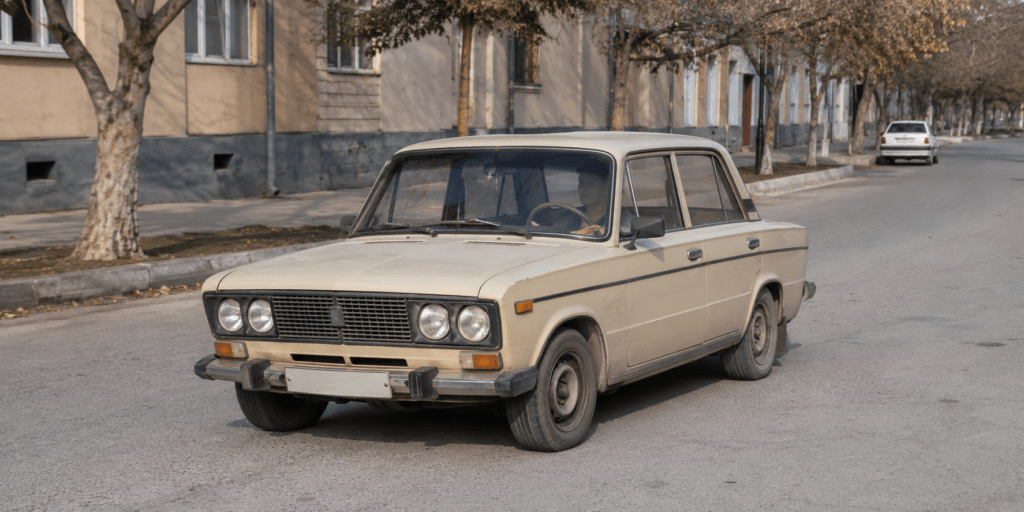
Uzbekistan Draft Proposes Annual Fee for Vehicles Over 30 Years Old

A draft government resolution in Uzbekistan has proposed annual environmental compensation payments for owners of vehicles manufactured 30 or more years ago, as part of a wider plan to regulate end-of-life transport and expand vehicle recycling. The proposal has not yet been adopted. The draft document, titled “On Organizing the Utilization of Vehicles with Expired Service Life and Recycling of Their Components,” was released through official public consultation channels and outlines a phased approach to introducing scrappage and recycling mechanisms across the country. According to the proposal, from January 1, 2027, owners of passenger vehicles manufactured 30 or more years ago would be required to pay an annual environmental compensation fee equal to 30 times the base calculation value. At the current rate, that would amount to about 12.36 million Uzbek som, or approximately $1,033. The payment is described as a mechanism intended to offset environmental damage caused by older vehicles. The draft was prepared under Uzbekistan’s broader environmental and waste-management reforms, led by the National Committee for Ecology and Climate Change, which is responsible for policy coordination in the environmental sector. The initiative also involves the planned creation of a national system for collecting, evaluating, and recycling vehicles that have reached the end of their operational life. The recycling system would be introduced in stages. From 2026, it would cover M1 category vehicles, primarily passenger cars. From 2027, it would extend to M2, M3, N1, N2, and N3 categories, covering minibuses, buses, and freight vehicles. By 2030, the framework is expected to cover all types of wheeled transport. The proposed environmental compensation fee for vehicles 30 or more years old would begin separately on January 1, 2027. The draft also proposes restrictions on vehicles deemed environmentally harmful. From 2027, vehicles classified as environmentally harmful could face restrictions on re-registration and continued use, with exceptions for antique vehicles recognized under existing regulations. A central component of the proposal is the creation of a unified digital system to manage the process. The platform would be developed under the coordination of the Ministry of Digital Technologies of Uzbekistan together with the national waste-management and circular economy agency. The system is expected to integrate data from tax, customs, and public-service databases through Uzbekistan’s e-government infrastructure. Technical implementation support is planned to involve Uzinfocom, the state IT integrator responsible for digital government platforms. Under the proposed model, vehicle owners would first undergo a technical inspection and valuation process before transferring their vehicles for recycling. Operators and assessment companies would be selected through competitive tenders. Once approved, they would handle vehicle acceptance, dismantling, and material recovery, including metals, plastics, batteries, and glass components. Owners of scrapped vehicles could receive compensation in several forms, including direct cash payments, electronic vouchers for purchasing new vehicles at discounted prices, or other mechanisms defined under national legislation. The value of compensation would depend on the technical assessment of the vehicle. The draft also introduces incentives for recycling operators through a “green subsidy” system financed by recycling-related fees. These subsidies...

What’s Really Happening With Waste Processing in Kazakhstan

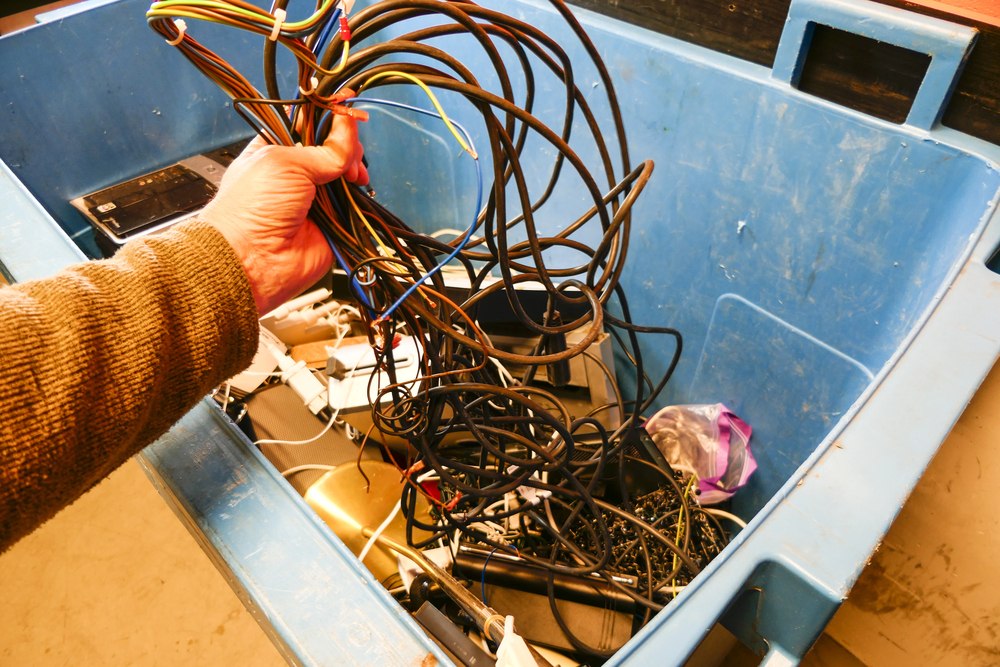
Official statistics suggest that Kazakhstan is making steady progress in recycling solid municipal waste (SMW), but a closer look reveals a significant technological shortfall. According to an analysis by Energyprom.kz, behind the rising recycling percentages lies a troubling gap between reported sorting and actual reuse. As of December 2025, the share of municipal waste reportedly recycled or reused had reached 28.6%, up from 25.9% at the end of 2024. On paper, this suggests progress toward the Ministry of Ecology’s target of 40% by 2040. However, the real picture is more complex. Only 1.1% of all municipal waste actually results in the production of secondary raw materials. Analysts emphasize the wide gap between the amount sorted and the amount truly recycled. According to Kazakhstan’s National Statistics Bureau, the country generates between 4.2 million and 4.8 million tons of municipal solid waste annually. In 2024, the figure hit a peak of 4.8 million tons. Of that, about 1.3 million tons were sorted and recorded as recycled or reused, more than one-quarter of the total. But crucially, this refers only to the volume that passed through sorting facilities. Much of the remaining 4.5 million tons was ultimately sent to landfill, including a significant share of the sorted waste. In 2024, 37.1% of sorted municipal waste, about 490,400 tons, was still landfilled. In other words, more than a third of the “recycled” waste never became usable raw material. In some regions, the situation is even more stark. At certain waste processing plants, including in Almaty, up to 85% of sorted waste ends up in landfill due to outdated technologies and limited processing capacity. Without substantial upgrades to equipment and processes, this is unlikely to change. That said, there has been measurable improvement. In 2023, 65.9% of sorted waste was landfilled, compared to 37.1% in 2024. Meanwhile, the volume of waste actually sent for recycling rose from 358,900 tons to 588,200 tons. Even so, only 49,200 tons of waste were ultimately processed into secondary raw materials, just 8.4% of the sorted waste and a mere 1.1% of Kazakhstan’s total municipal waste. For comparison, the figure was just 0.7% the previous year. More than 40% of waste processed at SMW facilities in 2024 consisted of plastic and paper, with plastic being the most straightforward to recycle. That year, 112,400 tons of plastic were recycled, an 8.5% increase over 2023. Waste paper collection reached 124,400 tons. Other materials processed include glass, metals, and used tires. Tire recycling has grown particularly quickly, with volumes increasing nearly twentyfold year-on-year. Despite this modest progress, Kazakhstan’s waste accumulation problem remains severe. The country has already amassed 48.3 million tons of solid waste. Of the approximately 3,000 landfills currently in operation, only 20.6% meet national standards. The best-performing regions include Zhambyl and Ulytau, as well as the cities of Astana and Shymkent. The worst conditions are found in North Kazakhstan, Turkestan, and Abai regions, where fewer than 3% of landfills comply with regulations. In 7 of Kazakhstan’s 20 largest cities, landfill capacity...

Kyrgyzstan to Launch Program for Recycled Resources Market

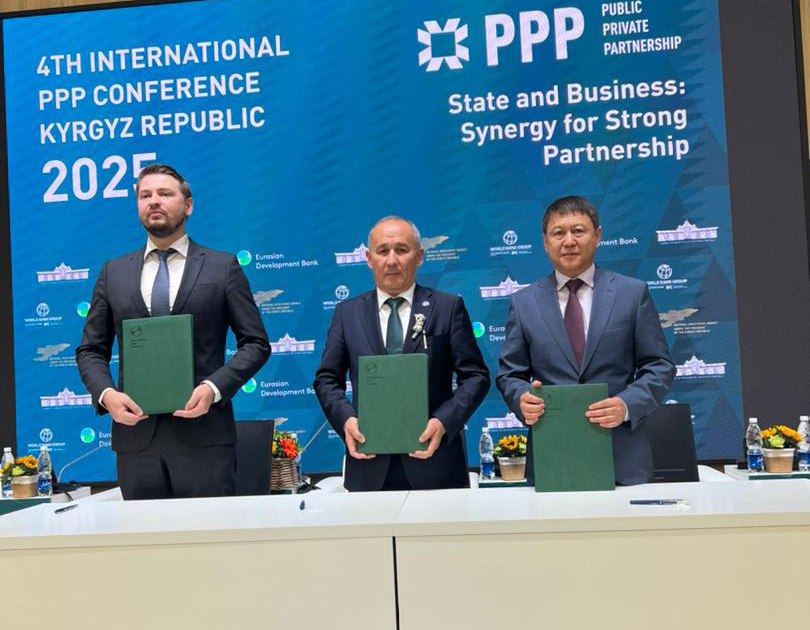
Kyrgyzstan’s Ministry of Natural Resources, Ecology, and Technical Supervision, supported by the Russian-Kyrgyz Development Fund (RKDF) and the Eurasian Development Bank (EDB), has signed a trilateral agreement to develop a national program for establishing a recycled resources market. The agreement was formalized in Bishkek. According to the ministry, the initiative aims to support the creation of a modern waste management system based on green economy principles and more efficient use of raw materials. The RKDF and EDB will provide financing and expert support for drafting the program. The forthcoming plan will include pilot projects integrating recycled materials into economic activity, improvements to recycling infrastructure and supply chains, and incentives to encourage businesses to increase the use of secondary raw materials. Minister of Natural Resources Meder Mashiev emphasized that building a recycled resources market is key to transitioning toward a circular economy. He added that international support would help integrate secondary materials into production and unlock new business opportunities. RKDF Chairman Artem Novikov noted that the final program would serve as a tool to stimulate recycling, attract investment, and bolster the country’s climate resilience efforts. The agreement underscores Kyrgyzstan’s growing cooperation with international financial institutions in the field of environmental development.