
• KGS/USD = 0.01143 0%
  • KZT/USD = 0.00213 0%
  • TJS/USD = 0.10593 0.47%
  • UZS/USD = 0.00008 0%
  • TMT/USD = 0.28571 0%
  • KGS/USD = 0.01143 0%
  • KZT/USD = 0.00213 0%
  • TJS/USD = 0.10593 0.47%
  • UZS/USD = 0.00008 0%
  • TMT/USD = 0.28571 0%
  • KGS/USD = 0.01143 0%
  • KZT/USD = 0.00213 0%
  • TJS/USD = 0.10593 0.47%
  • UZS/USD = 0.00008 0%
  • TMT/USD = 0.28571 0%
  • KGS/USD = 0.01143 0%
  • KZT/USD = 0.00213 0%
  • TJS/USD = 0.10593 0.47%
  • UZS/USD = 0.00008 0%
  • TMT/USD = 0.28571 0%
  • KGS/USD = 0.01143 0%
  • KZT/USD = 0.00213 0%
  • TJS/USD = 0.10593 0.47%
  • UZS/USD = 0.00008 0%
  • TMT/USD = 0.28571 0%
  • KGS/USD = 0.01143 0%
  • KZT/USD = 0.00213 0%
  • TJS/USD = 0.10593 0.47%
  • UZS/USD = 0.00008 0%
  • TMT/USD = 0.28571 0%
  • KGS/USD = 0.01143 0%
  • KZT/USD = 0.00213 0%
  • TJS/USD = 0.10593 0.47%
  • UZS/USD = 0.00008 0%
  • TMT/USD = 0.28571 0%
  • KGS/USD = 0.01143 0%
  • KZT/USD = 0.00213 0%
  • TJS/USD = 0.10593 0.47%
  • UZS/USD = 0.00008 0%
  • TMT/USD = 0.28571 0%

Viewing results 1 - 6 of 7

“Great News” for the Striped Hyena at Brazil Meeting, Conservation Group Says

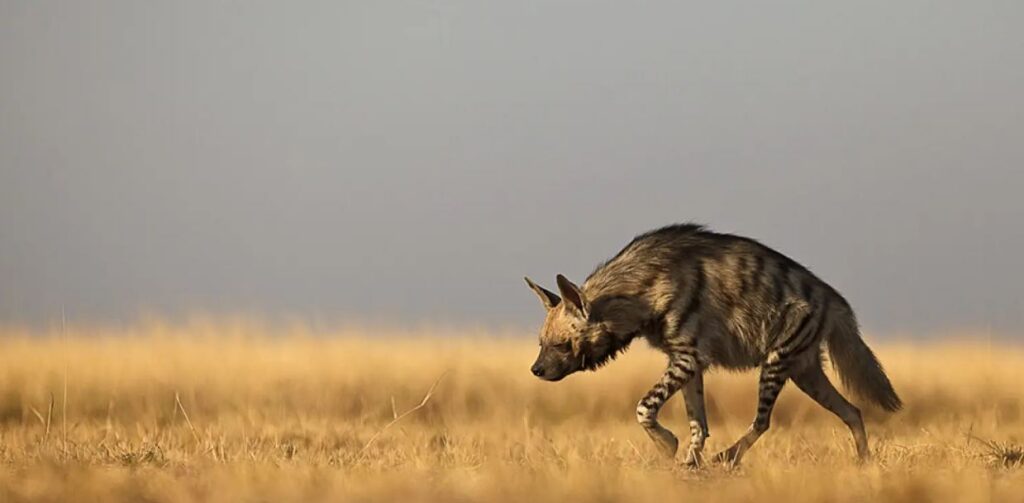
Countries attending a U.N.-backed migratory species conference in Brazil have agreed to increased protections for the striped hyena, whose vast range includes parts of Central Asia, according to an international conservation group. Tajikistan and Uzbekistan had submitted the proposal to upgrade protections for the species during a meeting of the Convention on the Conservation of Migratory Species of Wild Animals in Campo Grande this week. “The Committee agreed by consensus to the proposal to include the striped hyena in Appendices I and II,” and the approval will become official at a plenary meeting on Sunday, said Susan Lieberman, vice president for international policy with the New York-based Wildlife Conservation Society. Appendix I is a designation that would require countries to restore habitats, bar killing or capture except in limited cases and take other robust steps to protect the striped hyena. Appendix II requires governments to coordinate their efforts across the species’ range, which also includes parts of Africa, the Middle East and South Asia. “It’s great news for the species, and will hopefully stimulate action for its conservation and protection across its vast range—it will give this endangered, misunderstood species a chance,” Lieberman told TCA on Friday. The striped hyena is listed as “near threatened” on the global IUCN Red List of Threatened Species, though conservationists warn that its population is steadily dropping. Habitat loss, human-wildlife conflict and illegal hunting and trade are factors in its decline. Delegates at a United Nations wildlife trade conference in Samarkand in 2025 ultimately approved the inclusion of the striped hyena in Appendix II of CITES, introducing controls on international trade after an initial proposal for stricter Appendix I protections failed to pass.

Tajikistan Seeks Stronger Protections for Striped Hyena at UN Wildlife Meeting

The striped hyena, listed as “near threatened” by international conservationists, has a vast range that includes Africa, the Middle East, and Central Asia, but is difficult to monitor because of its nocturnal, solitary habits in often rugged terrain. Now Tajikistan is proposing tighter international protections for the species at the highest-level meeting of the Convention on International Trade in Endangered Species of Wild Fauna and Flora, or CITES. The United Nations gathering in Samarkand, Uzbekistan – the first in Central Asia - regulates trade in tens of thousands of species of animals and plants. It began on Monday and runs until the end of next week. The sharp decline in global shark and ray populations is an urgent concern, and delegates will consider new restrictions on the fin and shark meat trade that conservationists hope will fend off the threat of extinction for some species. Tajikistan’s proposal on behalf of the striped hyena aims for a similar outcome, noting a “marked decline in the population size in the wild” despite the difficulty in obtaining data. Some estimates put the number at significantly below 10,000, and the global IUCN Red List of Threatened Species labels the species as “near threatened,” with “vulnerable” being the next category on a scale leading to extinction. The striped hyena’s range includes Tajikistan, Turkmenistan, and Uzbekistan, according to the list. Israel has a relatively robust population and supports Tajikistan’s proposal. Habitat degradation, human-wildlife conflict, and the illegal trade in the striped hyena, which is allegedly trafficked into the exotic pet industry or whose body parts are used in traditional medicine, are some of the reasons for the decline of the species. The striped hyena is currently listed in Appendix III of CITES regulations, under a 2014 request by Pakistan, where there were reports of illegal trade for circuses, captures for dog-fighting training, and myths and perceptions that the hyena was digging up graves and attacking people. Appendix III provides for some protections in the international trade in listed species. Tajikistan wants CITES to move the striped hyena into the far more restrictive Appendix I. “Appendix I includes all species threatened with extinction which are or may be affected by trade,” CITES says. “Trade in specimens of these species must be subject to particularly strict regulation in order not to endanger further their survival and must only be authorized in exceptional circumstances.” To upgrade protections for the species, Tajikistan will need to secure a two-thirds majority vote at the CITES conference. The striped hyena was thought to be extinct in Tajikistan for many years, though a sighting in 2017 restored hope. Tajikistan, which endured a civil war in the 1990s, warned in its proposal that conflict elsewhere was a threat to the species it hopes to save. “With the recent political instability in Afghanistan and generally across the larger region where several conflicts are ongoing, it is anticipated a significant increase in illegal wildlife trade, further endangering the striped hyena population across its entire global home range,” the proposal said.

Dams Threaten Central Asia’s Rare Fish and River Ecosystems

A recent study by the international environmental coalition Rivers Without Boundaries has identified key river basins in Central Asia critical for biodiversity. However, many of these ecosystems face significant threats due to dam construction and small hydroelectric power plants, which disrupt natural habitats and endanger migratory fish species. Using geographic information system (GIS) technology based on the ArcGIS platform, researchers found that only 12% of Central Asia’s rivers remain in their natural state, supporting rare and endemic fish species. Another 7% of heavily altered freshwater areas are classified as critical habitats for endangered species, including the Amu Darya Shovelnose and Ili Marinka. Endangered Fish and Disrupted Ecosystems “We analyzed more than 50 endemic fish species across five major river basins in Central Asia,” said Eugene Simonov, lead researcher and international coordinator of Rivers Without Boundaries. “Of these, 21 species are now classified as threatened on the International Union for Conservation of Nature (IUCN) Red List. Our study also examined the condition of tugai forests, rare floodplain plants, and key water-dependent species such as the Asian otter.” The river network in Central Asia is increasingly fragmented due to dam construction, with the study documenting data on 650 existing and planned dams. As a result, migratory fish species are losing access to their spawning grounds. Some species, such as the Syr Darya false killer whale and Aral salmon, may have already disappeared. Conservation Efforts and Solutions To prevent further environmental damage, experts have developed a GIS-based tool to assess the impact of hydraulic structures on river ecosystems. “This technology can help plan conservation strategies and protect valuable river systems,” said Eugene Egidarev, a GIS specialist at Rivers Without Boundaries. Environmental scientists emphasize the urgent need to protect the remaining intact river sections, where rare fish species still survive. They also call for the preservation of floodplains and riparian ecosystems, which are essential for maintaining biodiversity. Conclusion As hydropower projects expand across Central Asia, balancing energy needs with environmental conservation remains a critical challenge. Experts warn that without stronger protection measures, the region risks losing more of its unique freshwater biodiversity, including species that have existed for millennia.
