
• KGS/USD = 0.01143 0%
  • KZT/USD = 0.00213 0%
  • TJS/USD = 0.10593 0.47%
  • UZS/USD = 0.00008 0%
  • TMT/USD = 0.28571 0%
  • KGS/USD = 0.01143 0%
  • KZT/USD = 0.00213 0%
  • TJS/USD = 0.10593 0.47%
  • UZS/USD = 0.00008 0%
  • TMT/USD = 0.28571 0%
  • KGS/USD = 0.01143 0%
  • KZT/USD = 0.00213 0%
  • TJS/USD = 0.10593 0.47%
  • UZS/USD = 0.00008 0%
  • TMT/USD = 0.28571 0%
  • KGS/USD = 0.01143 0%
  • KZT/USD = 0.00213 0%
  • TJS/USD = 0.10593 0.47%
  • UZS/USD = 0.00008 0%
  • TMT/USD = 0.28571 0%
  • KGS/USD = 0.01143 0%
  • KZT/USD = 0.00213 0%
  • TJS/USD = 0.10593 0.47%
  • UZS/USD = 0.00008 0%
  • TMT/USD = 0.28571 0%
  • KGS/USD = 0.01143 0%
  • KZT/USD = 0.00213 0%
  • TJS/USD = 0.10593 0.47%
  • UZS/USD = 0.00008 0%
  • TMT/USD = 0.28571 0%
  • KGS/USD = 0.01143 0%
  • KZT/USD = 0.00213 0%
  • TJS/USD = 0.10593 0.47%
  • UZS/USD = 0.00008 0%
  • TMT/USD = 0.28571 0%
  • KGS/USD = 0.01143 0%
  • KZT/USD = 0.00213 0%
  • TJS/USD = 0.10593 0.47%
  • UZS/USD = 0.00008 0%
  • TMT/USD = 0.28571 0%

Viewing results 1 - 6 of 4

Water Stress: Will the Summer of 2026 Become a Turning Point for Central Asia?

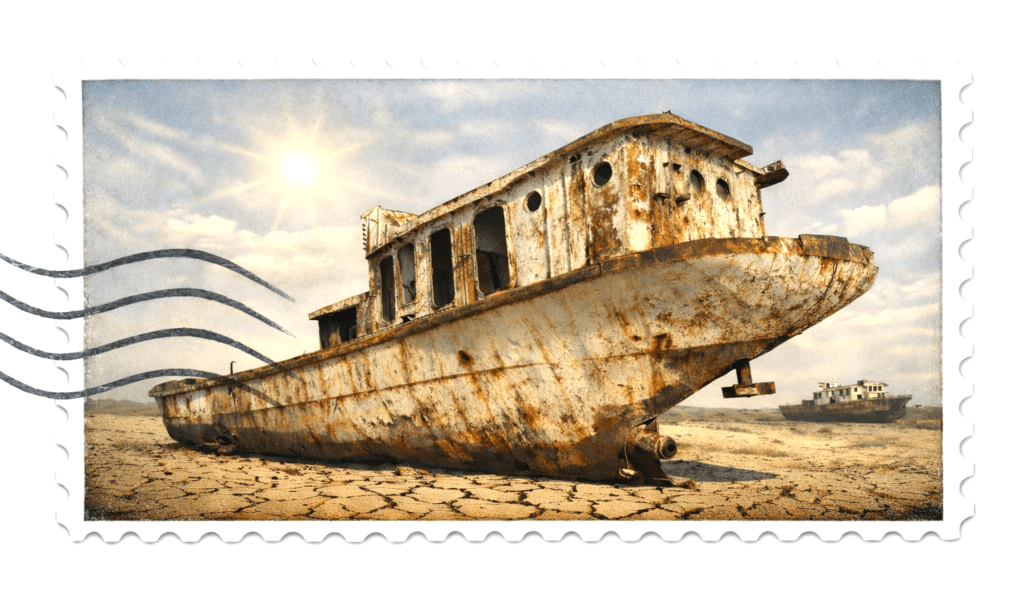
The summer of 2026 is projected to be a critical and potentially decisive period for Central Asia in the context of water stress. The region is entering the growing season with significantly lower water reserves in its main river basins, the Amu Darya and Syr Darya, compared to previous years. The combined impact of climate change and rising consumption is expected to exacerbate irrigation shortages, threatening crop yields and food security. A Region Under Pressure: Water as a Strategic Factor For Kazakhstan, water is taking on an increasing strategic importance in 2026. The southern regions, Kyzylorda, Turkestan, and Zhambyl, have already entered a phase of persistent low water availability. Estimates suggest that the irrigation deficit could reach up to 1 billion cubic meters. The situation in the Syr Darya basin remains critical. Inflows are expected to fall 3.2 billion cubic meters below normal, and by the start of the growing season, total water volume may reach only 1-2 billion cubic meters, far below demand. The Shardara Reservoir, a key regional storage facility, is currently at roughly half of its design capacity. Uzbekistan faces an even more vulnerable position due to its high population density and large agricultural sector. The flow of the Amu Darya is projected to fall to 65% of its historical norm, putting food stability at risk. Tashkent is accelerating investments in canal reconstruction, as water losses during transport reach up to 40%. Against this backdrop, tensions between upstream and downstream countries could become more pronounced. Kyrgyzstan, acting as the region’s “water tower,” faces a difficult trade-off between energy security and its obligations to downstream neighbors. Low accumulation levels in the Toktogul Reservoir have constrained hydropower generation, leading to winter energy shortages and reduced summer water releases, precisely when Kazakhstan and Uzbekistan require them for irrigation. This cyclical dependency turns each growing season into a complex round of “water-for-electricity” negotiations, with diminishing room for maneuver. Tajikistan faces a similar situation in the Amu Darya basin. The Nurek Hydropower Plant is operating under strict conservation principles as reservoir levels remain several meters below previous norms. For Dushanbe, the priority remains fulfilling the Rogun project, which, under low-water conditions, raises justified concerns among downstream states. These tensions are compounded by the accelerated melting of Pamir glaciers, which currently increases water flows but poses a long-term risk of severe depletion. Turkmenistan is also expected to experience acute water stress in 2026. In the Ahal and Mary regions, pasture degradation and limited irrigation are reducing livestock numbers and grain yields. The government is investing in dredging the Karakum Canal and constructing small desalination plants, but these measures only partially offset declining Amu Darya flows. An additional destabilizing factor is Afghanistan’s Qosh-Tepa Canal project. By summer 2026, its impact on the Amu Darya basin is expected to become physically noticeable. Estimates state that unregulated water withdrawals could reduce downstream flows by 15-25%. Afghanistan’s absence from regional water-sharing agreements creates a legal vacuum that existing mechanisms cannot address. As a result, Central Asia is...

Kazakhstan Prioritizes Nuclear Energy in Long-Term Development Strategy

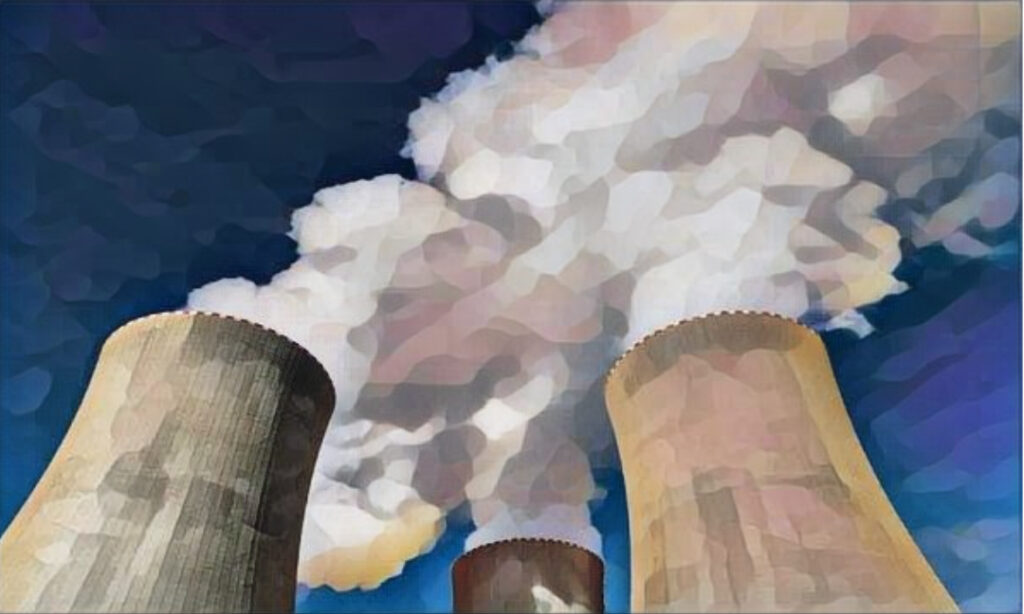
Kazakhstan has identified the development of nuclear energy as a strategic priority for the country's economic future, President Kassym-Jomart Tokayev announced at the Astana International Forum (AIF). “Kazakhstan, which possesses 40% of the world's uranium reserves, views nuclear energy as a key pillar of its national development strategy,” Tokayev stated. “However, sustainable development is impossible without addressing the climate crisis, particularly as Central Asia is among the region’s most vulnerable to climate change. Global warming is occurring here at twice the global average rate.” To address this, Tokayev outlined Kazakhstan’s commitment to a pragmatic and regionally coordinated climate agenda. He noted the country’s participation in various international organizations and agreements focused on environmental sustainability. In 2026, Kazakhstan, in partnership with the United Nations, will host a Regional Climate Summit, aimed at aligning Central Asian strategies with global environmental ambitions. Tokayev also highlighted the recent establishment of the UN Regional Center for Sustainable Development Goals for Central Asia and Afghanistan in Almaty. “This marks a significant step in our multilateral cooperation. The center will facilitate joint projects, provide technical support, and coordinate international efforts,” he said. At the same time, Kazakhstan continues to promote nuclear non-proliferation. “Today, nine countries possess more than 13,000 nuclear warheads. Experts warn that the risk of their use is rising, whether through miscalculation, accident, or escalation,” Tokayev cautioned. He emphasized the lasting impact of 450 nuclear tests conducted on Kazakh territory during the Soviet era. Public support for nuclear energy has been growing. In a referendum held last fall, over 70% of Kazakh citizens voted in favor of developing the country’s nuclear energy capacity. In January 2025, the government finalized a shortlist of potential technology suppliers for Kazakhstan’s first nuclear power plant. The contenders include Russia’s Rosatom, South Korea’s KHNP, China’s CNNC, and France’s EDF. The inaugural plant is expected to be built in the Almaty region and operational by 2035. Authorities are also evaluating sites for two additional facilities, with possible locations in Balkhash (southeastern Kazakhstan), Kurchatov (in the Abai region, near the former Semipalatinsk nuclear test site), and Aktau (Mangistau region, home to a Soviet-era experimental reactor). To oversee the development and regulation of the sector, Kazakhstan established the Atomic Energy Agency in March. Reporting directly to the president, the agency is responsible for uranium mining, atomic energy use, radiation safety, and management of the Semipalatinsk Nuclear Safety Zone.