


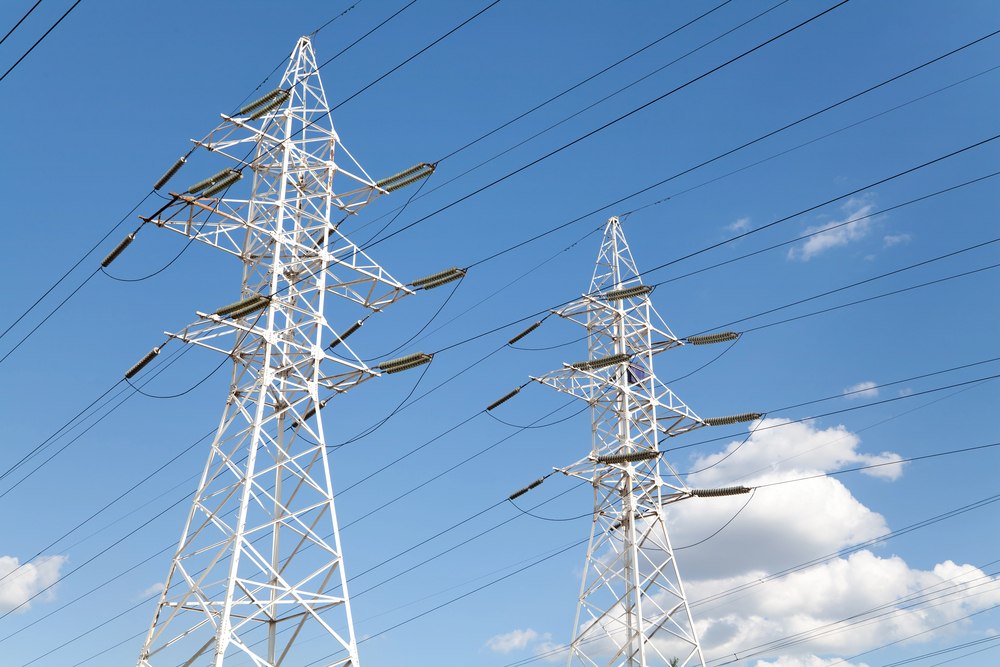
Central Asia’s Renewable Energy Boom Faces Growing Grid Challenges
Central Asia is rapidly expanding its renewable energy sector, with solar power emerging as one of the key drivers of the region’s energy transition. However, a new report by the Eurasian Development Bank (EDB) warns that accelerated deployment of renewable energy, without matching investment in grid infrastructure, reserve capacity, storage systems, and market reforms, could increase systemic risks and raise overall electricity costs. The warning comes as electricity demand across Central Asia continues to grow steadily. The region’s population now exceeds 80 million, and power consumption is rising by 3% to 6% annually. According to the EDB, electricity demand could increase by nearly 40% by 2030, reaching 370 billion kilowatt-hours annually, up from approximately 270 billion kilowatt-hours today. Governments across the region have announced ambitious renewable energy targets for the coming decade. Uzbekistan plans to install more than 25 gigawatts of renewable energy capacity by 2030, including solar and wind generation. Kazakhstan aims to commission 8.4 gigawatts of renewable energy by 2035, while Kyrgyzstan plans to add 3.65 gigawatts of solar capacity and 400 megawatts of wind power over the same period. Tajikistan is targeting 2 gigawatts of solar and wind generation by 2030, while Turkmenistan has announced plans for 300 megawatts of solar power capacity. Yet the region’s transition toward cleaner energy sources presents a growing challenge: electricity demand is increasing faster than power systems are adapting to accommodate large volumes of variable renewable generation. Solar energy production peaks during daylight hours, creating fluctuations that conventional power systems must manage. In the morning, before solar panels begin generating at full capacity, electricity demand is largely met by hydropower plants and thermal generation fueled by coal or natural gas. As solar output rises during the day, conventional plants must reduce generation or temporarily shut down. After sunset, when electricity consumption remains high but solar production falls to zero, conventional generators must rapidly increase output to stabilize the system. These abrupt shifts create operational challenges and increase costs for grid operators. According to the EDB’s report, Power Sector of Central Asia: Modernization and Energy Transition, the main obstacles to integrating renewable energy are technical and institutional, not simply financial. If sudden drops in solar or wind generation caused by weather changes are not immediately offset, power systems risk instability and, in extreme cases, blackouts. As renewable capacity expands, grids require more flexible generation, larger reserve margins, energy storage systems, and more sophisticated operational management tools. The report notes that renewable generation is being introduced faster than supporting infrastructure can be developed. In many countries, transmission networks were not designed to accommodate a high share of variable energy sources. Weather forecasting systems also remain insufficiently accurate to support reliable real-time balancing of renewable output. Market reforms have lagged as well. Capacity markets, reserve markets, and tariff systems in several Central Asian countries have yet to evolve in ways that encourage investment in flexible backup generation and storage technologies. As a result, the report argues, the real system-wide cost of renewable energy may...
