
• KGS/USD = 0.01144 0%
  • KZT/USD = 0.00207 0%
  • TJS/USD = 0.10415 -0.19%
  • UZS/USD = 0.00008 0%
  • TMT/USD = 0.28571 0%
  • KGS/USD = 0.01144 0%
  • KZT/USD = 0.00207 0%
  • TJS/USD = 0.10415 -0.19%
  • UZS/USD = 0.00008 0%
  • TMT/USD = 0.28571 0%
  • KGS/USD = 0.01144 0%
  • KZT/USD = 0.00207 0%
  • TJS/USD = 0.10415 -0.19%
  • UZS/USD = 0.00008 0%
  • TMT/USD = 0.28571 0%
  • KGS/USD = 0.01144 0%
  • KZT/USD = 0.00207 0%
  • TJS/USD = 0.10415 -0.19%
  • UZS/USD = 0.00008 0%
  • TMT/USD = 0.28571 0%
  • KGS/USD = 0.01144 0%
  • KZT/USD = 0.00207 0%
  • TJS/USD = 0.10415 -0.19%
  • UZS/USD = 0.00008 0%
  • TMT/USD = 0.28571 0%
  • KGS/USD = 0.01144 0%
  • KZT/USD = 0.00207 0%
  • TJS/USD = 0.10415 -0.19%
  • UZS/USD = 0.00008 0%
  • TMT/USD = 0.28571 0%
  • KGS/USD = 0.01144 0%
  • KZT/USD = 0.00207 0%
  • TJS/USD = 0.10415 -0.19%
  • UZS/USD = 0.00008 0%
  • TMT/USD = 0.28571 0%
  • KGS/USD = 0.01144 0%
  • KZT/USD = 0.00207 0%
  • TJS/USD = 0.10415 -0.19%
  • UZS/USD = 0.00008 0%
  • TMT/USD = 0.28571 0%

Viewing results 1 - 6 of 2

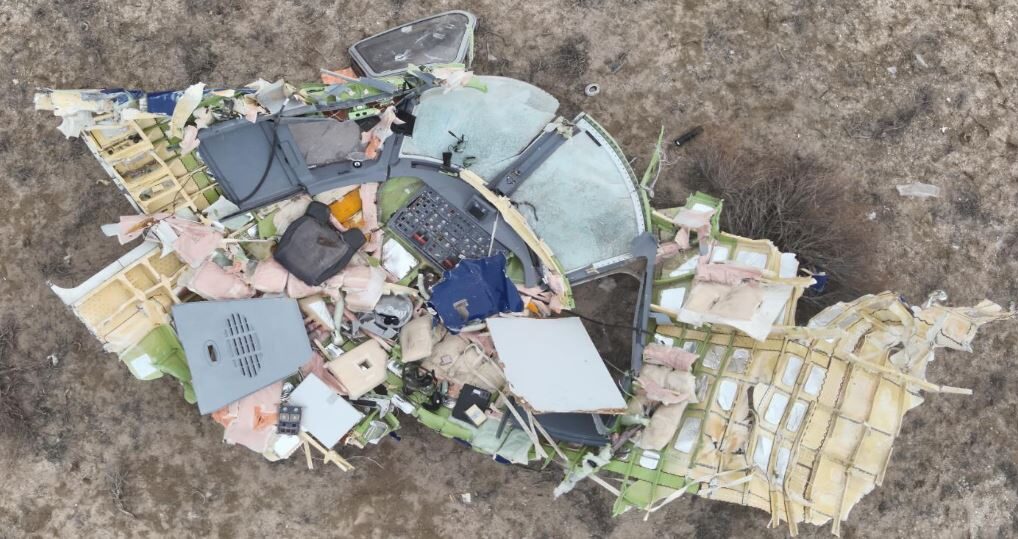
Despite Kazakh-led Inquiry, Azerbaijan to Take Plane Crash Case to International Courts

After months of collaborating with an investigation led by Kazakhstan, Azerbaijan now also plans to seek redress in international courts over the Dec. 25, 2024, crash of an Azerbaijan Airlines plane that it says was hit by Russian ground fire before diverting to the western Kazakh city of Aktau. Azerbaijan’s turn to international institutions reflects frustration with what it views as Russian intransigence in the investigation of what happened to Flight 8243, as well as the sensitivities for Kazakhstan as it leads a probe that could implicate Russia, its powerful neighbor and key trading partner. In a sense, Kazakhstan is caught in the middle, unable so far to satisfy Azerbaijan’s push for accountability for the crash and apparently unable to get full cooperation from Russia in the investigation. Unlike Azerbaijan, Kazakhstan has refrained from criticism of Russia, even though six Kazakhstanis were among those who died in the plane crash, and Kazakh emergency crews went into potential danger after rushing to pull survivors from the wreckage. Kazakhstan’s low-key approach is possibly an outcome of its efforts to appear impartial during the inquiry as well as its policy of maintaining smooth diplomatic ties, despite any disagreements or tension with major regional players, including Russia and China. Flush with military victories over Armenia and buoyed by close ties with allies such as Türkiye, Azerbaijan feels less constrained to nurture its traditional relationship with Moscow, its ruler during Soviet and Russian colonial times. On Saturday, President Ilham Aliyev of Azerbaijan referred to years of international investigations and inquiries that found Russia-backed separatist rebels had shot down Malaysia Airlines Flight 17 over eastern Ukraine in 2014, and that Russia bore responsibility – a conclusion rejected by Moscow. Aliyev said Azerbaijan was prepared to wait just as long to clear up the case of the Azerbaijan Airlines crash, in which 38 of 67 people on board died. “We will not forget,” Aliyev said, according to Minval Politika, an Azerbaijani news outlet. “We are currently preparing, and we have already informed the Russian side that we are preparing a dossier for submission to international courts on this matter. We understand that this may take time. In the case of the Malaysia Airlines Boeing, it took more than ten years. We are ready to wait ten years, but justice must prevail.” The remarks by Azerbaijan’s leader at a media forum in the Azerbaijani city of Shusha show that ties between the two nations face protracted tension as long as the dispute persists, though there are other sources of friction between them, including detentions of each other’s citizens. Russian President Vladimir Putin has apologized for the crash without taking responsibility or providing details about what happened at a time when, according to Russia, the area around Grozny was under attack from Ukrainian drones. Azerbaijan also wants those responsible to be punished, compensation to be paid to families of the victims, and Azerbaijan Airlines to be compensated for the loss of the Embraer 190 plane that crashed. The aircraft...

Central Asia’s Sovereignty in the Shadow of the War in Ukraine

The Ukraine war has fundamentally changed Central Asia's strategic positioning, accelerating diversification away from Russian dependence. Kazakhstan and Uzbekistan are navigating between maintaining necessary ties with Moscow, while asserting sovereignty through expanded partnerships with China, Turkey, and the West. The Sovereignty Imperative When Russian forces crossed into Ukraine in February 2022, the violation of territorial integrity sent immediate shockwaves through Central Asia. For leaders whose nations had endured centuries of Russian and Soviet rule, Vladimir Putin's denial of Ukrainian statehood carried threatening undertones. This concern proved well-founded; since 2014, Russian officials have increasingly questioned Central Asian independence, with Putin dismissing Kazakhstan as never having “any statehood,” and nationalist figures like Zakhar Prilepin suggesting the outright annexation of territories "labor migrants come from." This threat became tangible post-2022. Duma member Konstantin Zatulin warned that "with friends, we don't raise territorial questions... With the rest — like with Ukraine — everything is possible," while media personality Tigran Keosayan told Kazakhstan to "look at Ukraine carefully." Such rhetoric has deepened Central Asia’s resolve to defend its sovereignty, even as economic and security constraints limit dramatic policy shifts. Measured Defiance Despite expectations in some quarters that Kazakhstan would align with Moscow following the Russian-led CSTO intervention during the January 2022 unrest, President Kassym-Jomart Tokayev defied such predictions. Sitting beside Putin in June 2022, Tokayev refused to recognize the "quasi-state territories" of Donetsk and Luhansk, drawing fierce Russian criticism. This principled neutrality, supporting neither Russia's war nor “blindly follow[ing]” Western sanctions, has largely succeeded in keeping Kazakhstan shielded from the ire of Moscow. Uzbekistan's President Shavkat Mirziyoyev adopted a similar positioning, with then Foreign Minister Abdulaziz Kamilov declaring Uzbekistan's recognition of Ukrainian territorial integrity. Though Kamilov was subsequently reassigned amid reports of Russian pressure, Tashkent has maintained its "balanced and neutral position," refusing to endorse any territorial changes achieved through force. Public Opinion is Divided but Shifting The war has polarized Central Asian societies along generational and ethnic lines. In Kazakhstan, surveys show roughly 27-32% of respondents still accept the Kremlin justifications for its invasion of Ukraine, while 24-28% view Russia as the aggressor. Critically, only 15% explicitly support Russia versus 20% backing Ukraine, with the majority remaining neutral. More telling is the growing anxiety about Russia’s intentions: 26% of Kazakhstanis now consider a Russian attack on their country a possibility. In Uzbekistan, state media control limits public polarization, but the historical memory of Russian colonization has reinforced the appreciation for independence. Prilepin's 2023 annexation comments sparked widespread patriotic indignation, while the government's firm rebuttal drew popular praise. Strategic Diversification Accelerates The war has catalyzed Central Asia's pivot toward multiple partnerships, exploiting Russia's distraction and resource constraints. China is already the region's largest economic partner. China has deepened its influence through the first China-Central Asia summit in 2023 and Xi Jinping's pledge that Beijing "categorically opposes" interference in Kazakhstan's internal affairs. Chinese investment in alternative corridors bypassing Russia has accelerated, while modest military cooperation provides security alternatives to Russian guarantees. Ankara has also leveraged its...