Turkmen Arkadag Without “Unnecessary” People: Crackdown on Residents Without Jobs or Registration Intensifies
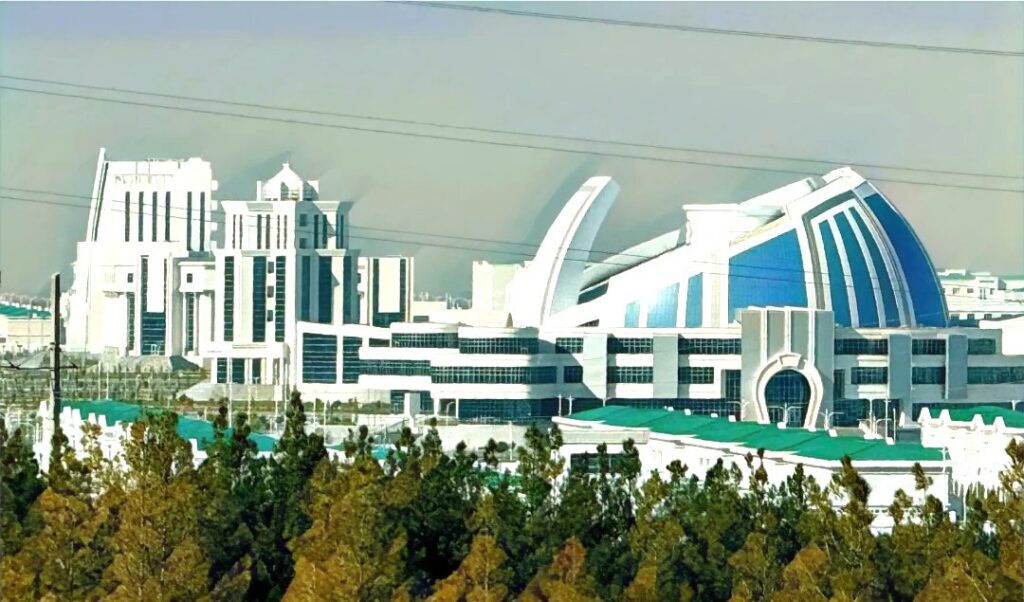
The “smart” city of Arkadag, developed at the initiative of Turkmenistan’s National Leader Gurbanguly Berdimuhamedov, has once again become the focus of a campaign to “clean up” its population, according to Turkmen.news. Local officials are reportedly conducting apartment inspections to identify residents who do not hold official employment in the city. Inspectors are said to be focusing on three main criteria: possession of a local residence permit, confirmed employment in Arkadag, and the degree of kinship with the property owner. The legal basis for these inspections remains unclear, but reports indicate that authorities are taking a strict approach, requiring individuals who do not meet the criteria to vacate their accommodation immediately. According to informal rules described by sources, a “proper” resident of Arkadag must be employed and registered at their actual place of residence. Only immediate family members, spouses, children, and parents are permitted to live together. Brothers, sisters, and more distant relatives residing in the same apartment may face eviction. A local source stated that even individuals officially employed in Arkadag but registered in another region may face restrictions. For example, a person who has secured employment in the city but is temporarily staying with a sibling could be required to return to their place of permanent registration and commute daily. The same restrictions reportedly apply to students. Those enrolled at the International Academy of Horse Breeding and vocational institutions are permitted to reside only in dormitories and may not live with relatives, including close family members. Legally renting accommodation in Arkadag is described as virtually impossible. Property owners are not issued permits authorizing them to lease apartments, resulting in an informal rental market. As a consequence, renters cannot obtain temporary registration, and no tax payments are made on rental income. This situation leaves newcomers in what sources describe as a legal vacuum: they may be able to secure employment but lack lawful housing options. Formally, purchasing an apartment is presented as the only pathway to full residency in the city. Individuals employed in Arkadag may qualify for a mortgage, but strict conditions apply. Authorities reportedly verify that applicants do not hold permanent registration elsewhere. An initial down payment of 10% of the property value, estimated at approximately $2,000-$3,000, is required. In addition, sources allege that intermediaries demand unofficial payments ranging from $2,000 to $4,000 to facilitate mortgage approval. Similar practices have been reported in Ashgabat in recent years. As previously reported by The Times of Central Asia, ahead of the 30th anniversary of Turkmenistan’s neutrality, inspections targeting visitors from other regions intensified in the capital. Witness accounts at the time described interrogations at checkpoints, alleged physical abuse, and raids at locations where day laborers gather. Developments in Arkadag suggest that comparable internal migration controls may now be taking shape in the newly built city. Arkadag was conceived as a symbol of modernity and national pride; the reported controls suggest it is also emerging as a laboratory for managing who is permitted to belong.