• KZT/USD = 0.00213
  • TJS/USD = 0.10820
  • UZS/USD = 0.00008
  • TMT/USD = 0.29850
  • KZT/USD = 0.00213
  • TJS/USD = 0.10820
  • UZS/USD = 0.00008
  • TMT/USD = 0.29850
  • KZT/USD = 0.00213
  • TJS/USD = 0.10820
  • UZS/USD = 0.00008
  • TMT/USD = 0.29850
  • KZT/USD = 0.00213
  • TJS/USD = 0.10820
  • UZS/USD = 0.00008
  • TMT/USD = 0.29850
  • KZT/USD = 0.00213
  • TJS/USD = 0.10820
  • UZS/USD = 0.00008
  • TMT/USD = 0.29850
  • KZT/USD = 0.00213
  • TJS/USD = 0.10820
  • UZS/USD = 0.00008
  • TMT/USD = 0.29850
  • KZT/USD = 0.00213
  • TJS/USD = 0.10820
  • UZS/USD = 0.00008
  • TMT/USD = 0.29850
  • KZT/USD = 0.00213
  • TJS/USD = 0.10820
  • UZS/USD = 0.00008
  • TMT/USD = 0.29850
05 August 2026

Viewing results 1 - 6 of 8

Tajikistan’s Rogun Dam Delayed as World Bank Freezes Funding

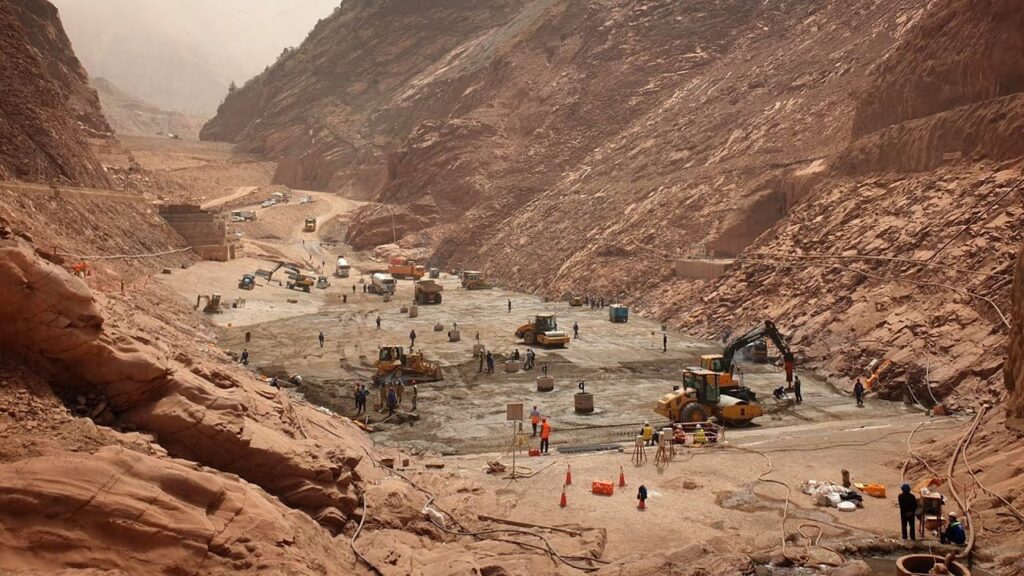
The future of Tajikistan’s flagship infrastructure project, the Rogun Hydropower Plant, has been thrown into doubt as the World Bank and other development partners delay financing until the government fulfils key conditions, Nezavisimaya Gazeta reported. The move reflects growing concerns among environmental groups and downstream communities in Uzbekistan and Turkmenistan over the dam’s ecological risks to the Amu Darya River. A Strategic Asset With Mounting Costs The Rogun project, often hailed as Tajikistan’s greatest national undertaking, is central to the government’s ambitions for energy independence and regional electricity exports. But it also represents one of the country's most significant financial liabilities. Standard & Poor’s Global Ratings recently affirmed Tajikistan’s sovereign credit rating at “B/B” with a stable outlook, but cautioned that Rogun is so costly it may never generate sufficient returns. The agency warned that the project could push the national budget into deficit by the end of 2025. Construction of the dam began in 1976 under the Soviet Union but was suspended during Tajikistan’s civil war. Attempts to restart the project in the early 2000s stalled over disagreements with Russian partners. In 2016, the government relaunched the project with support from the World Bank, awarding the main construction contract to Italy’s Salini Impregilo (now Webuild). That same year, the Vakhsh River was diverted and dam construction resumed. Two turbines were commissioned in 2018 and 2019, but significant progress has since slowed. To complete the plant, Tajikistan must install six additional turbines, raise the dam from its current 135 meters to the planned 335 meters, and secure an estimated $6.4 billion in new funding, roughly 40% of the country’s projected GDP for 2025. Conditions for Continued Support The World Bank has suspended further financing until Tajikistan presents a credible financing strategy that avoids unsustainable public debt, finalizes long-term electricity export agreements, and implements robust dam safety protocols. Without these conditions in place, the Bank has stated it cannot continue its support. Environmental opposition to the project has also intensified. The international coalition Rivers without Boundaries has warned that filling the Rogun reservoir could reduce Amu Darya river flows by more than 25%, accelerating desertification and endangering the livelihoods of up to 10 million people in Uzbekistan and Turkmenistan. Alexander Kolotov, a representative of the coalition, told Nezavisimaya Gazeta that the World Bank’s board is expected to review a report based on complaints filed by downstream communities, though no specific date has been set. Kolotov emphasized that Rogun poses one of the largest economic risks to Tajikistan and questioned whether international lenders should deepen their involvement. Broader Economic Fragility Tajikistan faces additional vulnerabilities. The country remains heavily reliant on remittances from labor migrants in Russia, lacks economic diversification, and is projected to lose its “least developed country” status in 2026, potentially curtailing its access to concessional aid and financing. For now, the Rogun Hydropower Plant stands as both a symbol of national aspiration and a looming financial gamble. Whether it becomes a cornerstone of regional energy security or a cautionary tale...

World Bank to Investigate Regional Risks of Rogun Dam Project

The World Bank’s Inspection Panel has agreed to review a formal complaint filed by residents of Uzbekistan and Turkmenistan concerning the environmental and social risks associated with the Rogun Hydropower Project (HPP) in Tajikistan. The complaint, submitted by the regional environmental coalition Rivers Without Boundaries, targets a $350 million World Bank loan and related technical assistance used to revise the project’s 2014 environmental and social impact assessments. The complainants argue that the current studies are outdated and inadequate, relying on assumptions that are more than a decade old. They contend the assessments fail to account for the downstream effects of storing and diverting water from the Vakhsh River, one of the primary tributaries of the Amu Darya basin, on communities and ecosystems in Uzbekistan and Turkmenistan. Preliminary estimates from the World Bank suggest that filling the Rogun reservoir could decrease the flow into the Aral Sea by 0.8 to 1.2 cubic kilometers annually, potentially cutting today’s levels by as much as 25%. Such a reduction, critics warn, could exacerbate ongoing issues in the region, including desertification, soil salinity, and land degradation. These challenges have plagued villages in the lower Amu Darya since Soviet-era irrigation schemes dramatically reduced the sea’s volume, leading to persistent dust storms and declining water quality. Local farmers are particularly concerned about the dam’s effect on the timing of water availability. If the dam shifts the river’s flow from spring and summer into winter storage, it could disrupt traditional irrigation cycles, forcing expensive infrastructure adjustments. Some communities fear economic collapse and forced migration if water needs go unmet during critical planting seasons. Environmental experts also highlight the cumulative threat posed by the Rogun HPP in conjunction with Afghanistan’s planned Qosh Tepa canal. No comprehensive analysis has been conducted to evaluate the combined impact of these two major water diversion projects on regional hydrology and biodiversity. The World Bank itself estimates that climate change could reduce water availability in the region by 15-30% by 2050, potentially costing Uzbekistan up to 250,000 agricultural jobs and requiring billions in climate adaptation investments. In response, Rivers Without Boundaries has called on the World Bank and its co-financiers, who have collectively pledged over $1 billion, to suspend further funding until a transparent, independent risk assessment is completed. The coalition advocates for a thorough study of alternative project designs, such as a lower dam height, to mitigate environmental and social damage. They also demand genuine public consultation with all Amu Darya basin countries, equitable compensation mechanisms, and legally binding water management agreements. Failure to address these concerns, the group warns, risks triggering an irreversible ecological and humanitarian crisis across Central Asia.