
• KGS/USD = 0.01143 0%
  • KZT/USD = 0.00211 0%
  • TJS/USD = 0.10793 0.09%
  • UZS/USD = 0.00008 0%
  • TMT/USD = 0.28571 0%
  • KGS/USD = 0.01143 0%
  • KZT/USD = 0.00211 0%
  • TJS/USD = 0.10793 0.09%
  • UZS/USD = 0.00008 0%
  • TMT/USD = 0.28571 0%
  • KGS/USD = 0.01143 0%
  • KZT/USD = 0.00211 0%
  • TJS/USD = 0.10793 0.09%
  • UZS/USD = 0.00008 0%
  • TMT/USD = 0.28571 0%
  • KGS/USD = 0.01143 0%
  • KZT/USD = 0.00211 0%
  • TJS/USD = 0.10793 0.09%
  • UZS/USD = 0.00008 0%
  • TMT/USD = 0.28571 0%
  • KGS/USD = 0.01143 0%
  • KZT/USD = 0.00211 0%
  • TJS/USD = 0.10793 0.09%
  • UZS/USD = 0.00008 0%
  • TMT/USD = 0.28571 0%
  • KGS/USD = 0.01143 0%
  • KZT/USD = 0.00211 0%
  • TJS/USD = 0.10793 0.09%
  • UZS/USD = 0.00008 0%
  • TMT/USD = 0.28571 0%
  • KGS/USD = 0.01143 0%
  • KZT/USD = 0.00211 0%
  • TJS/USD = 0.10793 0.09%
  • UZS/USD = 0.00008 0%
  • TMT/USD = 0.28571 0%
  • KGS/USD = 0.01143 0%
  • KZT/USD = 0.00211 0%
  • TJS/USD = 0.10793 0.09%
  • UZS/USD = 0.00008 0%
  • TMT/USD = 0.28571 0%

Viewing results 1 - 6 of 9

Over 12,600 Central Asians Identified in Russian Army

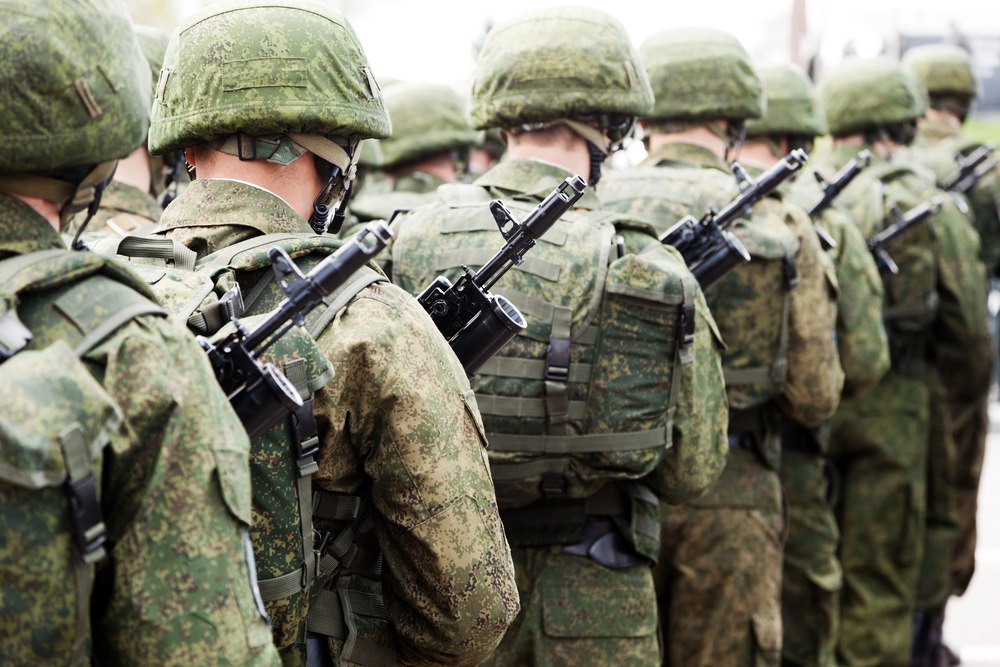
A Ukrainian state initiative has identified nearly 13,000 citizens from Central Asia who have signed contracts with Russia’s Defense Ministry and have served or are serving in the Russian army, according to data released by the “I Want to Live” project as part of the Ukraine-Central Asia Inquiry. As of 2026, the project reports it holds personal data on 12,666 individuals from the region. Uzbekistan accounts for the largest share, with 4,853 identified citizens. Tajikistan ranks second with 3,407 individuals, followed by Kazakhstan with 2,389 and Kyrgyzstan with at least 1,439. Turkmenistan has the lowest figure, with 578 identified nationals. The figures represent a sharp increase compared to 2025, when the same project reported around 5,740 individuals from Central Asia. At that time, it also began publishing named lists of recruits from each country who had joined Russia’s war in Ukraine. The issue remains sensitive across the region. Uzbekistan and Kazakhstan prohibit their citizens from taking part in foreign conflicts, and several cases have been brought against individuals who returned after fighting abroad. Last year, speaking at the St. Petersburg International Legal Forum, Alexander Bastrykin, Chairman of the Investigative Committee of Russia, said authorities had identified 80,000 individuals who had avoided military registration. “We’ve registered them for military service, and about 20,000 of these ‘new’ Russian citizens, who for some reason no longer want to live in Uzbekistan, Tajikistan, or Kyrgyzstan, are now on the front lines,” he said at the time. His remarks highlighted ongoing efforts to replenish military ranks, including through contract-based recruitment and incentives. Observers say such measures, alongside migration trends, may help explain the rising number of Central Asian nationals identified in the conflict.

Uzbek Consulate Assists Citizen Misled into Russian Army Contract

Uzbekistan’s Consulate General in St. Petersburg has intervened to assist an Uzbek citizen who was allegedly misled into signing a contract to serve in the Russian Armed Forces, the Consulate announced on November 12. According to the Consulate, a citizen identified as K.M. appealed for help after their child, K.R., reportedly signed the contract while held in pre-trial detention in Kolpino, Leningrad Region. K.R. had been taken into custody on charges of intentionally inflicting minor bodily harm on another Uzbek national. K.M. told consular officials that K.R. suffers from serious mental health issues and had been deceived into agreeing to military service while in detention. The parent requested that the Consulate assist in nullifying the agreement. The Consulate stated that it had promptly contacted the relevant Russian authorities, including the Human Rights Commissioner for Leningrad Region, urging a review of the case and protection of the detainee’s legal rights. As a result of these efforts, Russian officials acknowledged K.R.’s objections to military service. The Consulate confirmed that no military contract was finalized and that the detainee was returned to the Kolpino detention center, where the investigation remains ongoing. The Consulate emphasized that it is closely monitoring the case and will continue to safeguard the legal rights and interests of the Uzbek citizen. The Times of Central Asia has previously reported on several instances in which Central Asian migrants have faced pressure to join Russia’s military amid recruitment campaigns targeting foreign nationals, particularly migrant workers.

Uzbek Man Forced into Russian Army Pleads for Help to Return Home from Ukraine

A 31-year-old Uzbek citizen from Bukhara, Zukhriddin Yuldoshev, who was forcibly recruited into the Russian army, surrendered to Ukrainian forces almost immediately after arriving at the front. His case, reported by Nexta Live and other media outlets, highlights the growing number of Central Asian nationals being coerced into Russia’s war against Ukraine. According to Yuldoshev, Russian police planted narcotics on him and threatened him with a prison sentence of 12 to 18 years unless he signed a military contract. “I was given two choices: prison or the front,” he said. After arriving at the battlefield, he was quickly detected by a Ukrainian drone and surrendered without resistance. Yuldoshev described dire conditions within the Russian military, saying he had to purchase his own communication equipment and gear. He also spoke of widespread disarray and deception among Russian troops. “There were so many dead bodies that there was nowhere to step,” he recalled. He says he has no intention of returning to Russia and is appealing to the Uzbek government for assistance in returning home. In a June report, Ukraine’s military intelligence stated that citizens of Uzbekistan, Tajikistan, and other Central Asian countries are increasingly being coerced or misled into joining the Russian war effort. Many had initially traveled to Russia as labor migrants and were later pressured into signing military contracts, often with promises of fast cash. Ukrainian officials say many of these recruits are deployed to the most dangerous sections of the front and face high casualty rates. The forced conscription of migrants has drawn increasing criticism from human rights groups, who argue the practice violates international law. Yuldoshev’s plea for repatriation places added pressure on the Uzbek government to act on behalf of its citizens caught up in Russia’s war.
