
• KGS/USD = 0.01144 0%
  • KZT/USD = 0.00204 0%
  • TJS/USD = 0.10398 0%
  • UZS/USD = 0.00008 0%
  • TMT/USD = 0.28490 0%
  • KGS/USD = 0.01144 0%
  • KZT/USD = 0.00204 0%
  • TJS/USD = 0.10398 0%
  • UZS/USD = 0.00008 0%
  • TMT/USD = 0.28490 0%
  • KGS/USD = 0.01144 0%
  • KZT/USD = 0.00204 0%
  • TJS/USD = 0.10398 0%
  • UZS/USD = 0.00008 0%
  • TMT/USD = 0.28490 0%
  • KGS/USD = 0.01144 0%
  • KZT/USD = 0.00204 0%
  • TJS/USD = 0.10398 0%
  • UZS/USD = 0.00008 0%
  • TMT/USD = 0.28490 0%
  • KGS/USD = 0.01144 0%
  • KZT/USD = 0.00204 0%
  • TJS/USD = 0.10398 0%
  • UZS/USD = 0.00008 0%
  • TMT/USD = 0.28490 0%
  • KGS/USD = 0.01144 0%
  • KZT/USD = 0.00204 0%
  • TJS/USD = 0.10398 0%
  • UZS/USD = 0.00008 0%
  • TMT/USD = 0.28490 0%
  • KGS/USD = 0.01144 0%
  • KZT/USD = 0.00204 0%
  • TJS/USD = 0.10398 0%
  • UZS/USD = 0.00008 0%
  • TMT/USD = 0.28490 0%
  • KGS/USD = 0.01144 0%
  • KZT/USD = 0.00204 0%
  • TJS/USD = 0.10398 0%
  • UZS/USD = 0.00008 0%
  • TMT/USD = 0.28490 0%

Viewing results 1 - 6 of 2

Kazakhstan Weighs Legalizing the Culling of Female Saigas Amid Population Surge

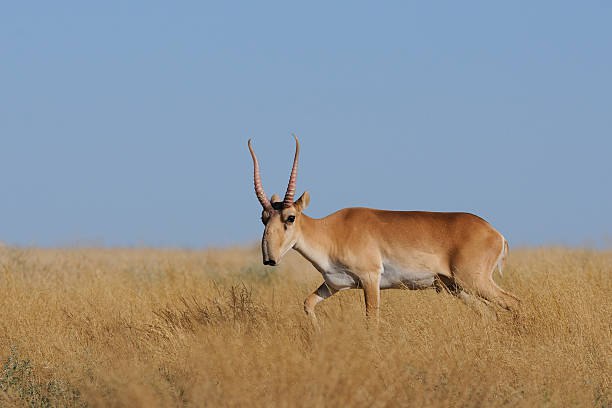
Kazakhstan’s Minister of Ecology and Natural Resources, Erlan Nysanbayev, has announced that the government is considering allowing the selective culling of female saiga antelopes in response to their rapidly expanding population. Once listed as an endangered species, the saiga antelope population in Kazakhstan plummeted to fewer than 40,000 by 2005 due to overhunting and habitat loss. In response, the government imposed strict hunting bans and conservation measures, which allowed the species to rebound significantly, reaching an estimated 1.3 million animals in recent years. However, by the end of 2024, the saiga population had reportedly reached 4 million, prompting renewed debate over population control. Farmers have raised concerns about crop destruction and the risk of disease transmission from saigas intermingling with livestock on shared pastures. “We have vast expanses of land, but not enough inspectors to monitor every hunter,” Nysanbayev said during a briefing at the Mazhilis, the lower house of parliament. “We had a negative experience previously, when hunting was permitted, the steppe was littered with saiga carcasses, their horns sawed off. So, we are now considering allowing hunting only for females, possibly exclusively for females. But the technical implementation is still under discussion with hunting organizations.” Processing Infrastructure Ready Nysanbayev also stated that meat from culled saigas would be sold in commercial outlets. According to the ministry, 13 meat-processing facilities across regions populated by saigas, West Kazakhstan, Atyrau, Aktobe, Kostanay, Akmola, Karaganda, and Pavlodar, are prepared to handle up to 3,700 animals daily following recent inspections. The final decision on the culling plan awaits a biological justification from the Institute of Zoology. Experts will assess the ecological viability of the measure before the government proceeds. Regional Conservation Efforts While Kazakhstan is considering population control measures for saigas due to their rapid rebound, neighboring Kyrgyzstan is focused on species recovery. The Times of Central Asia previously reported that in May 2025, Kyrgyzstan launched a conservation initiative to reintroduce the jayran, or goitered gazelle, a species also listed in the Red Book, along the southern shore of Lake Issyk-Kul.

Kazakhstan Considers Resuming Saiga Culling Amid Ecological and Agricultural Tensions

Kazakhstan’s Minister of Ecology and Natural Resources, Yerlan Nysanbayev, has addressed the growing debate over the potential resumption of saiga culling, acknowledging that while no decision has yet been made, consultations with scientists and environmental experts are ongoing​. Conservation or Population Control? Speaking at a government briefing, Nysanbayev emphasized the complexity of the issue. “We expect a second meeting. Science needs time to comprehensively study the situation, assess obligations, and determine whether population regulation is necessary or if alternative measures are viable,” he said. The minister acknowledged that the conflict between wildlife and agricultural interests is becoming increasingly apparent. “There are epizootic risks involved. A very balanced decision is required here,” he added. Regulation Methods: Culling or Capture? When asked about potential population control methods, Nysanbayev responded candidly. “It could be corral-based capture or shooting, what other options are there? But the final decision is still under scientific review.” The idea of regulating saiga populations first stirred controversy in 2022 when farmers in West Kazakhstan and Akmola regions reported widespread crop damage caused by the animals. Fields were trampled, fences destroyed, and harvests consumed. Some farmers even called for a state of emergency​. By autumn 2023, saigas were added to the official list of animals subject to population control. Authorities initially aimed to capture 200,000 saigas, but technical challenges led to a shift toward culling. Meat processing plants began producing canned saiga meat for local consumption​. Shifting Policies and Political Pressure However, on February 10, 2024, the Ministry of Ecology suspended the population control initiative following consultations with Kazakh and international experts​. In April, President Kassym-Jomart Tokayev declared his intent to ban saiga culling altogether, calling the antelope a “symbol of the Kazakh steppe”​. Yet the issue resurfaced in March 2025 during a meeting of the National Kurultai. Tokayev again urged the government to reassess the situation, citing appeals from the AOYL political party and local residents. “Agriculture is suffering. Epizootic risks are growing. Overall, pressure on the ecosystem has increased,” he said​. Global Context and Local Dilemma According to Energyprom.kz, global wildlife populations have declined by an average of 73% over the past 50 years. While Kazakhstan’s saiga population has rebounded significantly thanks to anti-poaching efforts and conservation policies, the country now faces a new dilemma: how to reconcile ecological preservation with agricultural stability​. Minister Nysanbayev confirmed that a final decision will be made later this year but what form it will take remains uncertain.