
• KGS/USD = 0.01144 0%
  • KZT/USD = 0.00202 0%
  • TJS/USD = 0.10399 -0.29%
  • UZS/USD = 0.00008 0%
  • TMT/USD = 0.28490 0%
  • KGS/USD = 0.01144 0%
  • KZT/USD = 0.00202 0%
  • TJS/USD = 0.10399 -0.29%
  • UZS/USD = 0.00008 0%
  • TMT/USD = 0.28490 0%
  • KGS/USD = 0.01144 0%
  • KZT/USD = 0.00202 0%
  • TJS/USD = 0.10399 -0.29%
  • UZS/USD = 0.00008 0%
  • TMT/USD = 0.28490 0%
  • KGS/USD = 0.01144 0%
  • KZT/USD = 0.00202 0%
  • TJS/USD = 0.10399 -0.29%
  • UZS/USD = 0.00008 0%
  • TMT/USD = 0.28490 0%
  • KGS/USD = 0.01144 0%
  • KZT/USD = 0.00202 0%
  • TJS/USD = 0.10399 -0.29%
  • UZS/USD = 0.00008 0%
  • TMT/USD = 0.28490 0%
  • KGS/USD = 0.01144 0%
  • KZT/USD = 0.00202 0%
  • TJS/USD = 0.10399 -0.29%
  • UZS/USD = 0.00008 0%
  • TMT/USD = 0.28490 0%
  • KGS/USD = 0.01144 0%
  • KZT/USD = 0.00202 0%
  • TJS/USD = 0.10399 -0.29%
  • UZS/USD = 0.00008 0%
  • TMT/USD = 0.28490 0%
  • KGS/USD = 0.01144 0%
  • KZT/USD = 0.00202 0%
  • TJS/USD = 0.10399 -0.29%
  • UZS/USD = 0.00008 0%
  • TMT/USD = 0.28490 0%

Viewing results 1 - 6 of 4

Taliban Dismiss Thousands of Tajik and Uzbek Fighters

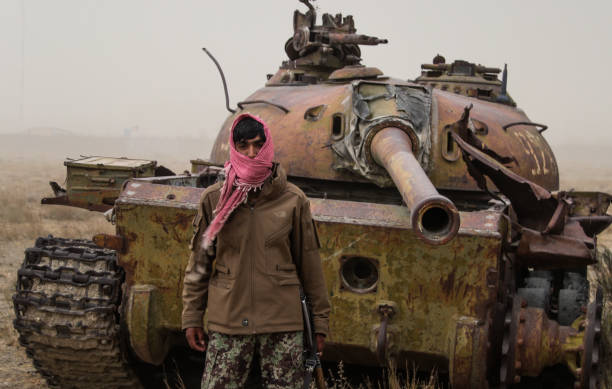
The United Nations Security Council has released a new assessment on Afghanistan, revealing that the Taliban have reduced their security forces by approximately 20%. According to Afghanistan International, which cited the UN document, thousands of ethnic Tajik and Uzbek fighters have been dismissed, particularly in provinces where these groups made up a significant portion of Taliban ranks. The downsizing order reportedly came from Taliban leadership and was attributed to budgetary constraints. While the UN document does not explicitly state that the dismissals were ethnically motivated, it notes that the concentration of personnel cuts in Tajik and Uzbek-majority provinces, most notably Badakhshan, Kapisa, Parwan, and Takhar, has raised concerns about possible ethnic discrimination. Taliban officials have previously justified the reduction by claiming their security apparatus had become excessively large. However, the UN warned that the force reduction is occurring amid rising security threats, especially from Islamic State Khorasan Province (ISKP). According to the report, ISKP has ramped up operations by leveraging modern technologies, including artificial intelligence, to create training materials, some of which reportedly instruct on the assembly of improvised explosive devices. UN sanctions monitors cautioned that this technological advancement, combined with a diminished Taliban security presence, could heighten instability across the country. Although the Taliban have conducted operations against ISKP since early 2025, the extremist group remains resilient. The UN also highlighted that the Taliban continue to publicly deny ISKP’s presence in Afghanistan while simultaneously accusing neighboring countries of supporting the group. Despite this, the Taliban have sought international counterterrorism assistance to confront ISKP. The report estimates that more than 20 international and regional terrorist organizations remain active in Afghanistan. These include Al-Qaeda, Tehrik-i-Taliban Pakistan, the Turkistan Islamic Movement, the Islamic Movement of Uzbekistan, and Jamaat Ansarullah. According to the UN, the Taliban have incorporated some former members of these groups into local security units, prompting concerns about ideological alignment and infiltration. The document further notes that advanced weaponry and military equipment are entering Afghanistan through cross-border smuggling and black market channels. Reports have also emerged of drone attacks targeting military sites in Pakistan. The Taliban are allegedly seeking technical support to expand their drone capabilities, with some countries reporting possible Al-Qaeda involvement in drone production sites in Logar and Kabul. Tensions also flared along the Tajik-Afghan border in late October. Armed clashes were reported on October 25 between Tajik border guards and Taliban fighters in the Davanga district of Shahr-e Buzurg, located in Badakhshan province. The confrontation reportedly stemmed from a dispute over water diversion from the Amu Darya river. The presence of Chinese-operated gold mining facilities in the area has further complicated the region’s security dynamics.


Kyrgyz Security Forces Warn Officials of Prosecution Over Inefficiency

The State Committee for National Security (GKNB) of Kyrgyzstan has issued a stern warning to municipal officials in Bishkek, threatening criminal prosecution for negligence and ineffective performance of official duties. The warning came during a meeting initiated by the GKNB and held at Bishkek City Hall. All heads of the capital’s territorial divisions were present. Officials were instructed to take a more responsible approach to their work, particularly regarding urban development, social services, and the responsible use of public funds. “All heads of local authorities are advised to draw their own conclusions so that their future activities will only benefit society and not cause harm,” stated Kamchybek Tashiev, head of the GKNB. Tashiev also criticized the procurement of cheap, low-quality goods through public tenders, emphasizing that quality and efficiency, not just cost, should guide spending decisions. The crackdown follows the high-profile arrest of Tokmok Mayor Maksat Nusuvaliyev, a move seen by analysts as a stark signal from the central government to regional administrations. Nusuvaliyev was detained during a similar meeting with Tashiev in Tokmok, in full view of his subordinates. He faces charges of corruption and misappropriation of funds intended for the construction of a sports school and a cultural park. His arrest followed complaints from local residents and concerns from central authorities over delays and inefficiencies in the projects. The government had previously allocated approximately $12 million for Tokmok’s urban improvement. However, President Sadyr Japarov later stated that the funds had yielded no tangible results. Along with Nusuvaliyev, two other officials and the head of the construction company overseeing the projects were also detained. A court has ordered that all four be held in pretrial detention for two months. Footage of the mayor’s detention was widely circulated online, further fueling public attention. In response to the scandal, Tashiev demanded immediate accountability from other local officials. They were given three days to either recommit to fulfilling their duties or resign voluntarily. In a striking directive aimed at reconnecting officials with local issues, Tashiev also ordered administrators in the Chui region to travel on foot through their districts to observe municipal problems firsthand.