• KGS/USD = 0.01144 0%
  • KZT/USD = 0.00215 0%
  • TJS/USD = 0.10691 0.09%
  • UZS/USD = 0.00008 0%
  • TMT/USD = 0.28530 0%
  • KGS/USD = 0.01144 0%
  • KZT/USD = 0.00215 0%
  • TJS/USD = 0.10691 0.09%
  • UZS/USD = 0.00008 0%
  • TMT/USD = 0.28530 0%
  • KGS/USD = 0.01144 0%
  • KZT/USD = 0.00215 0%
  • TJS/USD = 0.10691 0.09%
  • UZS/USD = 0.00008 0%
  • TMT/USD = 0.28530 0%
  • KGS/USD = 0.01144 0%
  • KZT/USD = 0.00215 0%
  • TJS/USD = 0.10691 0.09%
  • UZS/USD = 0.00008 0%
  • TMT/USD = 0.28530 0%
  • KGS/USD = 0.01144 0%
  • KZT/USD = 0.00215 0%
  • TJS/USD = 0.10691 0.09%
  • UZS/USD = 0.00008 0%
  • TMT/USD = 0.28530 0%
  • KGS/USD = 0.01144 0%
  • KZT/USD = 0.00215 0%
  • TJS/USD = 0.10691 0.09%
  • UZS/USD = 0.00008 0%
  • TMT/USD = 0.28530 0%
  • KGS/USD = 0.01144 0%
  • KZT/USD = 0.00215 0%
  • TJS/USD = 0.10691 0.09%
  • UZS/USD = 0.00008 0%
  • TMT/USD = 0.28530 0%
  • KGS/USD = 0.01144 0%
  • KZT/USD = 0.00215 0%
  • TJS/USD = 0.10691 0.09%
  • UZS/USD = 0.00008 0%
  • TMT/USD = 0.28530 0%

Viewing results 1 - 6 of 6

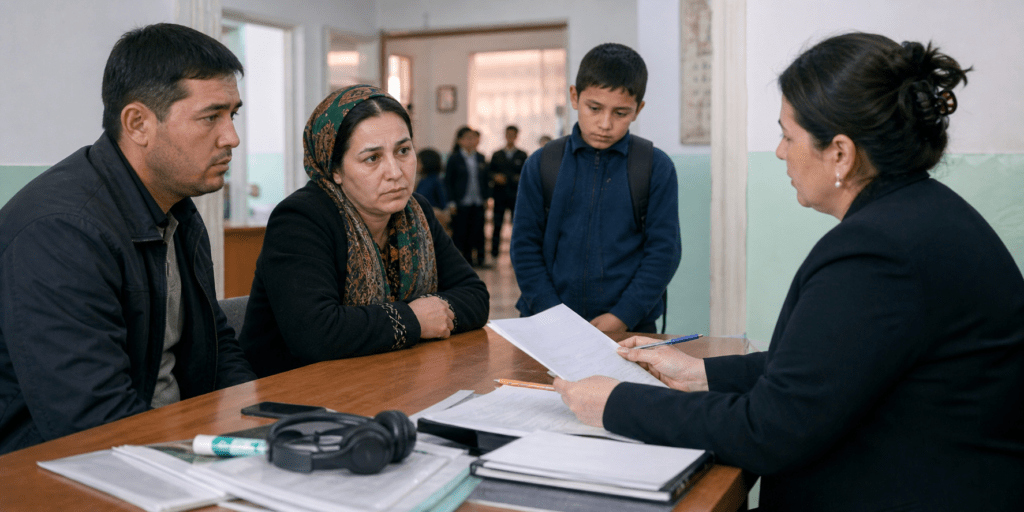
Turkmenistan Introduces New Fines for Parents Over Children’s Misconduct

Turkmenistan has introduced new rules that tighten parental responsibility for children’s misconduct, while reports suggest that additional unofficial requirements are already emerging at the local level. The amendments to the administrative code, signed by President Serdar Berdimuhamedov, came into force on May 1. The updated legislation increases penalties for what is defined as “improper upbringing” and expands the range of situations in which parents of children under 16 can be held liable. In several cases, warnings have been eliminated entirely. Under the new rules, offenses such as drug use without a prescription or minor hooliganism now result in immediate fines of around $29. Penalties for traffic violations have risen from $11.6 to $14.5. The manufacture or possession of pyrotechnics can lead to fines ranging from $58 to $145, while smoking carries penalties of $29 to $58. Other sanctions have also been increased, including those related to alcohol and tobacco sales and various administrative violations. However, the implementation of the law appears to vary across regions. According to local sources, some authorities are interpreting the rules more broadly and introducing additional measures. In schools in the Lebap region, for example, there are reports of proposed fines for families if students arrive late to class ($29), possess smartphones or headphones ($290), or skip lessons. These measures have not been officially confirmed, and teachers in other regions say they have not received similar instructions. Some observers suggest the reports may be exaggerated or intended as a deterrent to improve discipline. Nevertheless, educators warn of potential corruption risks. Recorded violations could become grounds for informal payments, with smaller sums demanded instead of official fines, bypassing the state budget.

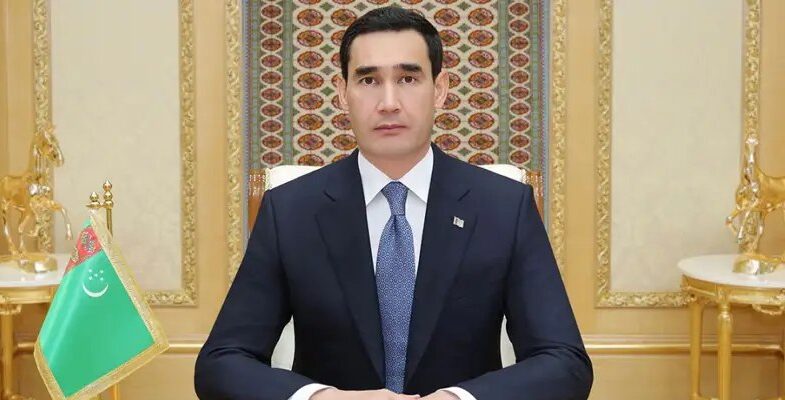
Turkmenistan Highlights International Outreach at Cabinet Meeting

A recent Cabinet meeting in Turkmenistan highlighted contacts with many countries and international organizations, reinforcing a perception that the tightly managed nation is taking more steps, however limited, to engage the world. Appearing via video link, President Serdar Berdimuhamedov presided over the May 1 meeting of ministers who covered economic growth, oil and natural gas production, scientific research, and other national priorities in a review of the year so far. But international outreach was a big part of the high-level discussion in an energy-rich Central Asian country often defined as opaque and restrictive. An account of the meeting by the Turkmenistan State News Agency (TDH) ticked off statistics: 220 delegations visited Turkmenistan this year, 400 delegations from Turkmenistan visited other countries, 711 negotiations and other meetings occurred in the country with foreign states and international agencies, and 57 more international documents were added to Turkmenistan’s legal code. “The development of diplomatic relations through foreign embassies is one of the important directions of the foreign policy work of neutral Turkmenistan,” said the report, referring to the country’s policy of non-alignment and not getting involved in the internal affairs of other countries. “Work on promoting relations with the countries of the Middle East is also ongoing,” it said. Iraq opened its embassy in Ashgabat in March, 17 years after Turkmenistan and Iraq established diplomatic relations in 2009. On May 4, Rashid Meredov, Turkmenistan’s foreign minister, spoke by telephone with Iranian Foreign Minister Abbas Araghchi about regional security, Caspian issues, and other matters, according to the Turkmen Foreign Ministry. The ministry’s statement did not mention the Iran conflict or uncertainty surrounding the ceasefire with the United States. Turkmenistan’s international campaign is consistent with a pattern seen across Central Asia, where governments have sought to diversify their trade and diplomatic ties while maintaining close relations with the region’s major powers, Russia and China. Turkmenistan, however, still exports most of its natural gas to China, its largest trading partner. At the same time, Turkmenistan is intensifying efforts to integrate into the global trading system, with officials reaffirming plans to move towards membership in the World Trade Organization (WTO). It is the last post-Soviet republic to start WTO accession talks. Turkmenistan’s leaders are also working on their international profiles. Berdimuhamedov attended an ecological summit of regional leaders in Kazakhstan last month. His father and predecessor, Gurbanguly Berdimuhamedov, traveled to the U.S. in February, China in March, and Austria in April. This month, he is due to travel to the Russian city of Kazan. Although government transparency is limited in Turkmenistan, father and son appear to run the country through a power-sharing arrangement. Outsiders are getting more glimpses of Turkmenistan. The capital, Ashgabat, hosted an international tourism conference in April. This month, the Reuters news agency reported on a trip there after being given what it said was “rare access” to travel in the country. It remains unclear, however, whether any efforts to engage with the outside world will materially change daily life in Turkmenistan, where people...