
• KGS/USD = 0.01144 0%
  • KZT/USD = 0.00215 0%
  • TJS/USD = 0.10641 0%
  • UZS/USD = 0.00008 0%
  • TMT/USD = 0.28530 0%
  • KGS/USD = 0.01144 0%
  • KZT/USD = 0.00215 0%
  • TJS/USD = 0.10641 0%
  • UZS/USD = 0.00008 0%
  • TMT/USD = 0.28530 0%
  • KGS/USD = 0.01144 0%
  • KZT/USD = 0.00215 0%
  • TJS/USD = 0.10641 0%
  • UZS/USD = 0.00008 0%
  • TMT/USD = 0.28530 0%
  • KGS/USD = 0.01144 0%
  • KZT/USD = 0.00215 0%
  • TJS/USD = 0.10641 0%
  • UZS/USD = 0.00008 0%
  • TMT/USD = 0.28530 0%
  • KGS/USD = 0.01144 0%
  • KZT/USD = 0.00215 0%
  • TJS/USD = 0.10641 0%
  • UZS/USD = 0.00008 0%
  • TMT/USD = 0.28530 0%
  • KGS/USD = 0.01144 0%
  • KZT/USD = 0.00215 0%
  • TJS/USD = 0.10641 0%
  • UZS/USD = 0.00008 0%
  • TMT/USD = 0.28530 0%
  • KGS/USD = 0.01144 0%
  • KZT/USD = 0.00215 0%
  • TJS/USD = 0.10641 0%
  • UZS/USD = 0.00008 0%
  • TMT/USD = 0.28530 0%
  • KGS/USD = 0.01144 0%
  • KZT/USD = 0.00215 0%
  • TJS/USD = 0.10641 0%
  • UZS/USD = 0.00008 0%
  • TMT/USD = 0.28530 0%

Viewing results 1 - 6 of 4

Kyrgyzstan to Install 300,000 Smart Electricity Meters Purchased from China

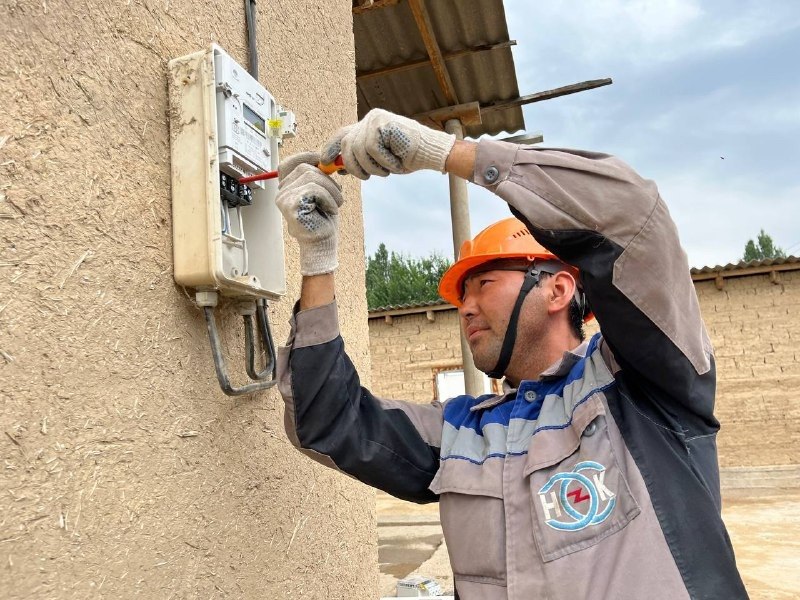
Kyrgyzstan’s Ministry of Energy has signed a contract with Shenzhen Kaifa Technology for the purchase of 300,000 smart electricity meters for the National Electric Network in 2026, according to the ministry. Negotiations are also underway for an additional 90,000 units. The National Electric Network of Kyrgyzstan has introduced an automated electricity control and metering system that has helped strengthen financial discipline in the energy sector. As of the end of 2025, 500,100 smart meters had been installed across the country, bringing the total number of installed meters to more than 923,000. This has improved metering accuracy and reduced electricity losses from 11.7% to 10.6%. Smart meters offer several advantages. They enable automatic data transmission, with readings sent to a central server in real time, eliminating the need for manual inspections. They also allow for remote control: electricity supply can be automatically suspended in cases of non-payment and restored once payment is made. In addition, smart meters help protect against overloads, support voltage stability in the grid, and reduce human error by minimising manual data entry. This also contributes to lowering electricity theft. The rollout is part of the Kyrgyz Energy Modernization and Sustainability Project, supported by the World Bank. The project aims to modernise the energy sector, improve the accuracy of electricity metering, and reduce power losses. Smart metering is particularly important for Kyrgyzstan, which continues to face electricity shortages and relies on imports to meet growing demand from industry and households.

Korea Backs Kyrgyzstan’s Transition to Smart Electricity Metering

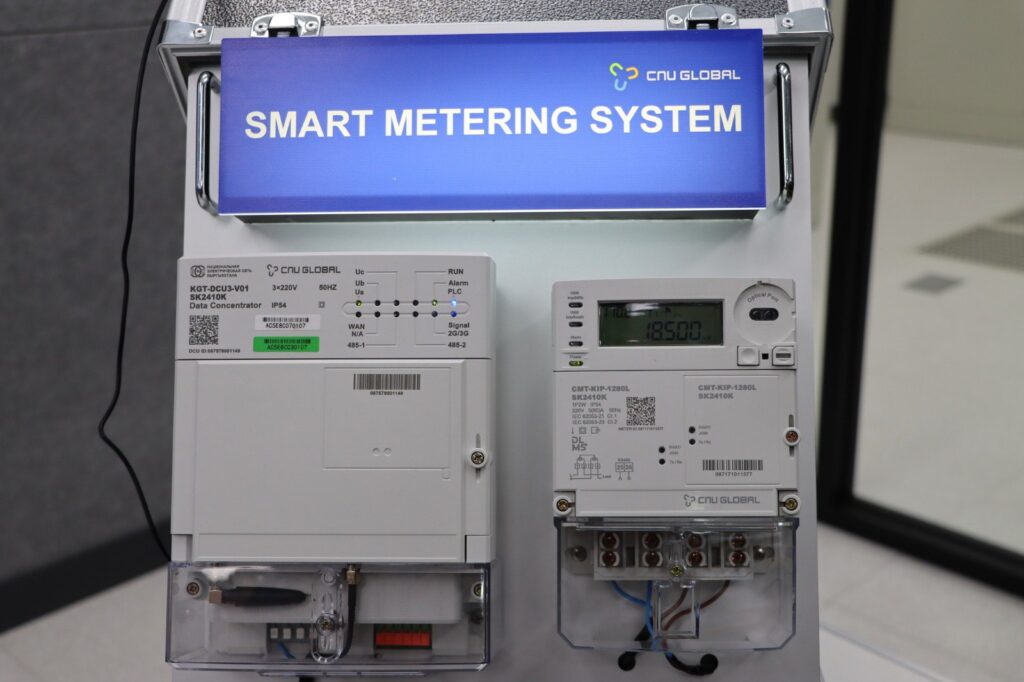
Kyrgyzstan’s Ministry of Energy, in partnership with the Korea International Cooperation Agency (KOICA), has completed the construction of a Centralized Advanced Metering Infrastructure (AMI) System Operation Center, a milestone in the country’s energy sector modernization. The completion ceremony, held last week, was attended by Kyrgyz Energy Minister Taalaibek Ibrayev, South Korean Ambassador Kim Kwang-jae, and KOICA Vice President Hong Seok-hwa. According to the Ministry of Energy, the project began in 2023 with KOICA’s support. The agency provided approximately $10.5 million and donated 10,779 smart electricity meters under a grant agreement. The new centralized system is designed to manage up to 1.5 million smart meters nationwide. “This ambitious project is the result of fruitful cooperation between the Kyrgyz Republic and the Republic of Korea,” said Minister Ibrayev. “Completion of the national Operation Center is a milestone in the digitalization of Kyrgyzstan’s energy sector. The Center will serve as a critical hub for managing the smart metering system, improving the reliability of electricity supply, enhancing distribution efficiency, ensuring billing transparency, reducing emergency shutdowns, and cutting power grid losses, an especially pressing need for our country.” Ambassador Kim echoed this sentiment: “Kyrgyzstan has great potential in the energy sector, and Korea is proud to contribute to its energy future with our experience and technology. We hope this project lays a foundation for data-driven energy policies and reduced energy losses.” Efficient electricity metering is vital for Kyrgyzstan, which suffers from recurring power shortages, particularly in winter. Although the country has the potential to produce up to 142 billion kilowatt-hours (kWh) annually, current production is just 14 billion kWh, roughly 10% of its hydropower capacity. Kyrgyzstan currently generates 3,450 megawatts of electricity, while demand has climbed to 3,600 megawatts. In 2024, national consumption reached 18.3 billion kWh, up 1.1 billion kWh from the previous year. To meet the shortfall, Kyrgyzstan imported 3.63 billion kWh of electricity, an increase of 141.7 million kWh compared to 2023.