• KGS/USD = 0.01144 0%
  • KZT/USD = 0.00205 0%
  • TJS/USD = 0.10784 0%
  • UZS/USD = 0.00008 0%
  • TMT/USD = 0.28490 0%
  • KGS/USD = 0.01144 0%
  • KZT/USD = 0.00205 0%
  • TJS/USD = 0.10784 0%
  • UZS/USD = 0.00008 0%
  • TMT/USD = 0.28490 0%
  • KGS/USD = 0.01144 0%
  • KZT/USD = 0.00205 0%
  • TJS/USD = 0.10784 0%
  • UZS/USD = 0.00008 0%
  • TMT/USD = 0.28490 0%
  • KGS/USD = 0.01144 0%
  • KZT/USD = 0.00205 0%
  • TJS/USD = 0.10784 0%
  • UZS/USD = 0.00008 0%
  • TMT/USD = 0.28490 0%
  • KGS/USD = 0.01144 0%
  • KZT/USD = 0.00205 0%
  • TJS/USD = 0.10784 0%
  • UZS/USD = 0.00008 0%
  • TMT/USD = 0.28490 0%
  • KGS/USD = 0.01144 0%
  • KZT/USD = 0.00205 0%
  • TJS/USD = 0.10784 0%
  • UZS/USD = 0.00008 0%
  • TMT/USD = 0.28490 0%
  • KGS/USD = 0.01144 0%
  • KZT/USD = 0.00205 0%
  • TJS/USD = 0.10784 0%
  • UZS/USD = 0.00008 0%
  • TMT/USD = 0.28490 0%
  • KGS/USD = 0.01144 0%
  • KZT/USD = 0.00205 0%
  • TJS/USD = 0.10784 0%
  • UZS/USD = 0.00008 0%
  • TMT/USD = 0.28490 0%

Viewing results 1 - 6 of 3

UNDP Opinion: Central Asia – Shared Wildlife, Shared Landscapes, Shared Responsibility

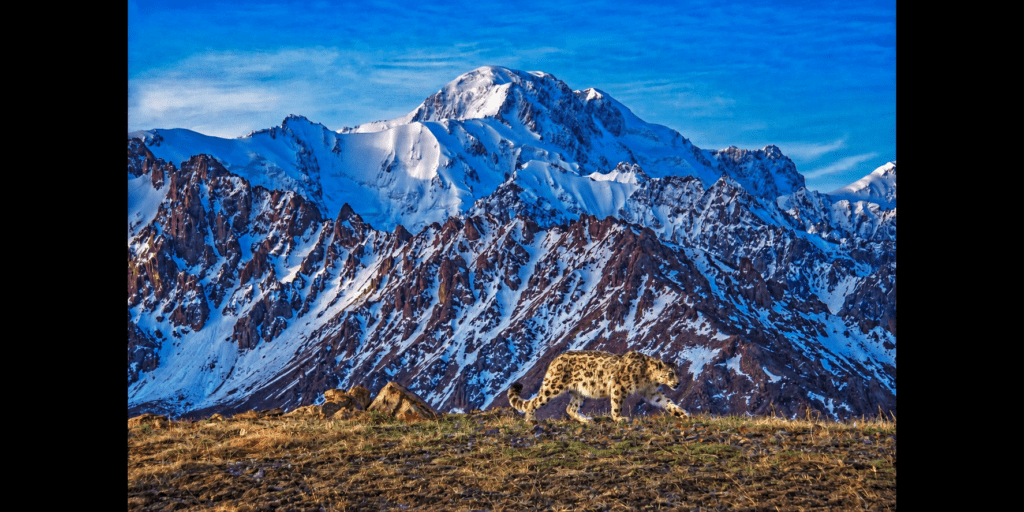
As global leaders gather for the Global Environment Facility (GEF) Assembly in Samarkand, Central Asia has an opportunity to send a clear message to the world: protecting biodiversity is not only about saving species — it is about securing water, livelihoods, resilience and long-term stability for millions of people across our region. From the glaciers of the Tien Shan and Pamir mountains to the deserts, steppes and river basins downstream, Central Asia’s ecosystems are deeply interconnected across borders. Rivers flow between countries. Wildlife migrates through shared landscapes. Mountain ecosystems regulate water systems that sustain agriculture, energy production and communities far beyond the highlands themselves. Among the most powerful symbols of this shared natural heritage is the snow leopard — the silent guardian of Central Asia’s mountains. The snow leopard represents far more than a rare and iconic species. Its survival reflects the health of entire ecosystems that millions of people depend upon every day. Healthy mountain landscapes help secure freshwater resources, reduce disaster risks, sustain pastures and agriculture, preserve biodiversity, and strengthen resilience to climate change across the region. But today, these ecosystems are under growing pressure. Climate change is accelerating glacier melting and intensifying water stress. Land degradation, unsustainable grazing, habitat fragmentation and biodiversity loss are placing increasing pressure on fragile mountain environments and rural livelihoods. Communities living closest to nature are often the first to feel the consequences — through declining water availability, degraded pastures, reduced agricultural productivity and increasing climate-related risks. These challenges do not stop at national borders. And neither can the solutions. Only a coordinated regional response can match the scale of the challenge. Protecting Central Asia’s mountain ecosystems requires countries to work together to conserve ecological corridors, strengthen transboundary protected areas, improve water and land governance, and invest in climate-resilient livelihoods for communities whose futures are closely tied to nature. There are already successful examples of regional agreements. For example, a highly successful transboundary nature conservation agreement in Central Asia protects the Ustyurt Plateau and the Turan Temperate Deserts. Spanning across Kazakhstan, Uzbekistan, and Turkmenistan, this initiative has successfully safeguarded vulnerable ecosystems and migratory species like the saiga antelope and snow leopard. [caption id="attachment_50004" align="aligncenter" width="1774"] Photo: Saiga calf. Kazakhstan/UNDP Kazakhstan[/caption] It is encouraging that transboundary cooperation has already taken shape across the region. Across Central Asia, governments, communities and development partners are already demonstrating that conservation and development can advance together. While each country's experience is unique, the lessons are remarkably similar: when communities benefit from healthy ecosystems, nature and people both thrive. In Kazakhstan, the snow leopard has become one of the clearest examples of how coordinated conservation efforts can help restore fragile ecosystems across borders. The species inhabits mountain systems that extend beyond national boundaries into China, Kyrgyzstan, Russia, and Uzbekistan, making its protection inseparable from regional cooperation. Over the past decade, habitat countries have strengthened efforts to protect the species through national conservation strategies, expanded protected areas, and improved ecosystem monitoring. Supported by cooperation between the Government, UNDP, the Global...

“I Came To Pay the Fine”: In Kazakhstan, a Bear Pays an Unexpected Visit to a Government Office

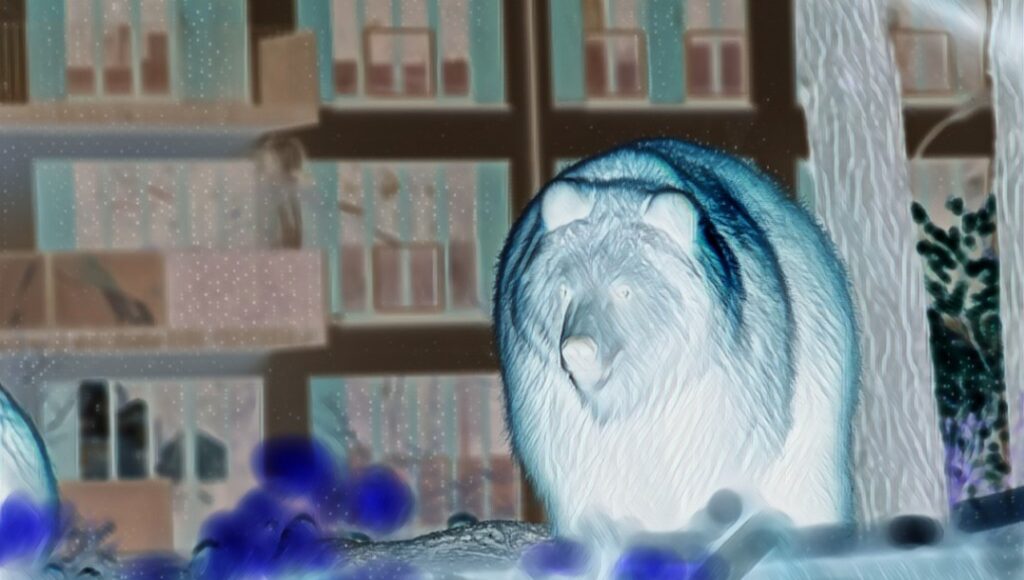
Efforts to protect wildlife in Kazakhstan, particularly rare and endangered species, have begun yielding results. Animals listed in the national Red Book are increasingly venturing into human settlements. While some encounters are harmless or even humorous, others pose real dangers. A Curious Visitor in Serebryansk On August 18, a large brown bear wandered into the central square of Serebryansk, a city in East Kazakhstan. CCTV footage captured the bear approaching the city administration building.  The bear had previously been seen on the city’s outskirts in early August, prompting residents to alert the forestry and hunting emergency response team. These teams are typically dispatched to relocate animals in distress or posing threats. However, the inspectors were unable to locate the bear, and it eventually made its way to city hall. Local residents responded with humor, joking on social media that the bear had come to pay a fine or meet the mayor. Despite the levity, city officials issued a serious warning, urging residents to stay indoors after 6 p.m. until the bear could be safely relocated. They also cautioned that feeding the bear or attempting selfies could be fatal. The authorities also reminded the public of basic safety rules in areas inhabited by predators: never approach bear cubs, as their mothers may become aggressive, and do not attempt to run from a bear unless immediate shelter is available. Even well-fed bears can reach speeds of up to 60 km/h. Bear sightings are relatively common in East Kazakhstan, with reports this summer from Ridder, the Sibinsk Lakes area, and the village of Bobrovka in Glubokovsky district. Bears in the Red Book and Beyond Two subspecies of brown bears inhabit Kazakhstan: the Tianshan brown bear, which lives in the Tian Shan and Dzungarian Alatau mountains, and the South Siberian brown bear, found in the Altai region. The Tian Shan brown bear is listed in Kazakhstan’s Red Book of endangered species, while the South Siberian bear is still legally hunted under regulated conditions.  According to the Ministry of Ecology, the South Siberian brown bear population rose from 3,265 in 2022 to 3,578 in 2023. Hunting is permitted in limited numbers and only under supervision.  The red-listed Tianshan brown bear population remains smaller. As of 2023, experts estimated 500-600 individuals nationwide.  In Ile-Alatau National Park, partly located within Almaty city limits, about 70 Tianshan bears were recorded in 2022. The park regularly hosts educational events to raise awareness of the species. Elsewhere, roughly 270 Tianshan brown bears inhabit Kazakhstan’s portion of the Tien Shan, and more than 350 live in the Zhetysu Alatau.  Dangerous Neighbors Despite conservation gains, human-bear encounters can end tragically. A tourist in Serebryansk recalled that in 2023, a female bear and her cubs foraged for food in summer cottages, destroying gardens and evading attempts to drive them away. A more serious incident occurred in May 2020 in the Almaty region, when a Russian man was fatally attacked by a bear while returning from a fishing trip. Mistaking a bear cub for...

Kyrgyzstan Takes the Lead in Global Snow Leopard Conservation Efforts

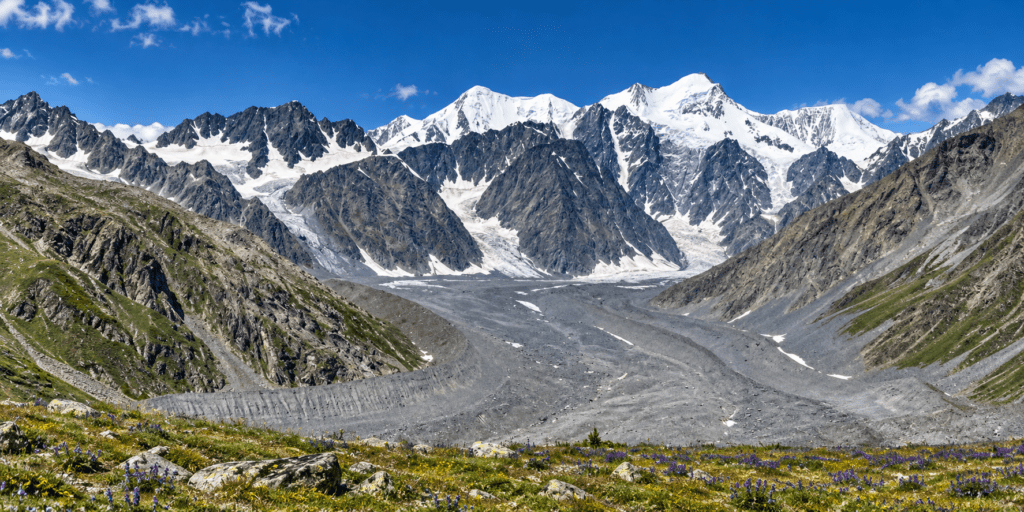
On June 5-6, the Kyrgyz resort city of Cholpon-Ata is hosting the 9th Steering Committee Meeting of the Global Snow Leopard and Ecosystem Protection Program (GSLEP). The meeting brings together environment ministers from all 12 snow leopard range countries, Afghanistan, Bhutan, China, India, Nepal, Mongolia, Kazakhstan, Kyrgyzstan, Pakistan, Russia, Tajikistan, and Uzbekistan, along with representatives from conservation organizations and international financial institutions. Their goal is to advance conservation and climate action efforts in Asia’s high mountain regions through GSLEP, an intergovernmental alliance founded in Bishkek in 2013. The snow leopard, classified as endangered, serves as a potent symbol of the ecological and cultural importance of Asia’s mountainous landscapes. Kyrgyzstan has long been at the forefront of international conservation efforts. At the 79th session of the UN General Assembly, the country spearheaded a resolution, supported by other range nations, designating October 23 as International Snow Leopard Day. The GSLEP Steering Committee convened in Cholpon-Ata to assess ongoing conservation initiatives and define future priorities to protect snow leopards and mountain ecosystems. [caption id="attachment_32684" align="aligncenter" width="1280"] Image: mnr.gov.kg[/caption] In his opening remarks, Kyrgyzstan’s Minister of Natural Resources, Ecology, and Technical Supervision, Meder Mashiev, said: “For us, the snow leopard is not just a species, it is part of our culture and identity. Its preservation is our common responsibility.” Mashiev highlighted the country's recent achievements in conservation, including the initiation of a national snow leopard census, the adoption of SMART monitoring tools, the creation of new protected areas, and the establishment of the Ak Ilbirs (Snow Leopard) Ecological Corridor, an approximately one million-hectare expanse in the northeastern Issyk-Kul region. This corridor connects the Khan-Tengri State Nature Park, the Sarychat-Eertash Nature Reserve, and the Naryn Nature Reserve, providing secure habitats for snow leopards and other endangered species while promoting sustainable resource management. In December 2023, President Sadyr Japarov signed a decree formally recognizing the snow leopard as a national symbol of Kyrgyzstan. In a welcome address to participants, President Japarov highlighted Kyrgyzstan’s pivotal role as a mountainous nation (over 90% of its territory consists of highlands) in safeguarding high-altitude ecosystems. He stressed that mountains are not only repositories of natural wealth but also engines for economic growth through green investments. However, he cautioned that these regions face growing threats from overgrazing, forest degradation, and climate change, especially in snow leopard habitats. President Japarov also called for strengthening GSLEP’s institutional capacity and expanding cross-border conservation initiatives with the support of global environmental funds.