
• KGS/USD = 0.01144 0%
  • KZT/USD = 0.00212 0%
  • TJS/USD = 0.10456 0%
  • UZS/USD = 0.00008 0%
  • TMT/USD = 0.28490 0%
  • KGS/USD = 0.01144 0%
  • KZT/USD = 0.00212 0%
  • TJS/USD = 0.10456 0%
  • UZS/USD = 0.00008 0%
  • TMT/USD = 0.28490 0%
  • KGS/USD = 0.01144 0%
  • KZT/USD = 0.00212 0%
  • TJS/USD = 0.10456 0%
  • UZS/USD = 0.00008 0%
  • TMT/USD = 0.28490 0%
  • KGS/USD = 0.01144 0%
  • KZT/USD = 0.00212 0%
  • TJS/USD = 0.10456 0%
  • UZS/USD = 0.00008 0%
  • TMT/USD = 0.28490 0%
  • KGS/USD = 0.01144 0%
  • KZT/USD = 0.00212 0%
  • TJS/USD = 0.10456 0%
  • UZS/USD = 0.00008 0%
  • TMT/USD = 0.28490 0%
  • KGS/USD = 0.01144 0%
  • KZT/USD = 0.00212 0%
  • TJS/USD = 0.10456 0%
  • UZS/USD = 0.00008 0%
  • TMT/USD = 0.28490 0%
  • KGS/USD = 0.01144 0%
  • KZT/USD = 0.00212 0%
  • TJS/USD = 0.10456 0%
  • UZS/USD = 0.00008 0%
  • TMT/USD = 0.28490 0%
  • KGS/USD = 0.01144 0%
  • KZT/USD = 0.00212 0%
  • TJS/USD = 0.10456 0%
  • UZS/USD = 0.00008 0%
  • TMT/USD = 0.28490 0%

Viewing results 1 - 6 of 4

Kazakh Doctors Among Lowest Paid in Economy

As Kazakhstan marks Medical Workers' Day, celebrated annually on the third Sunday of June, new data highlights the challenging financial reality for those in the healthcare sector. According to a recent report by Energyprom.kz, medical professionals remain among the lowest-paid workers in the country. Healthcare Among Lowest-Paid Sectors In the first quarter of 2024, the average monthly nominal salary in Kazakhstan’s “Health and Social Services” sector stood at 312,800 tenge (approx. $605), according to the National Statistics Bureau. This figure is 26.1% lower than the national average across all economic sectors. Healthcare ranks among the bottom five sectors for wages, joined by agriculture (248,900 KZT / $481), culture and arts (284,900 KZT / $551), and education (302,400 KZT / $584). Utility services also report low salaries at around 286,000 KZT ($553). This is not a new trend: the healthcare sector has remained at or near the bottom of the wage rankings for over two years. In 2021, it ranked tenth from the bottom. By contrast, the mining industry leads with an average salary of 981,400 KZT ($1,898), followed by IT (859,800 KZT / $1,663) and finance and insurance (855,500 KZT / $1,654). Post-Pandemic Stagnation While healthcare salaries surged during the COVID-19 pandemic, growing 20-30% annually in 2020-2021, wage growth has since slowed markedly. Since 2022, real income growth has remained modest, peaking at 2.3%, with some quarters seeing declines of up to 4.6%. Since 2019, nominal wages in healthcare have more than doubled, rising from 133,500 KZT ($258) to 315,400 KZT ($610). Yet, once inflation is factored in, the gains appear far less significant. Analysts stress that nominal wages only provide a partial picture. In 2023, the median salary in healthcare was 250,700 KZT ($485), compared to a national median of 285,700 KZT ($553). The modal (most common) wage in healthcare was even lower. Income Disparities Within the Profession There is considerable wage variation among medical specialties. In 2024, the average monthly salaries were as follows: Therapists: 460,200 KZT ($890) Pediatricians: 425,900 KZT ($824) Surgeons: 505,700 KZT ($978) Cardiologists: 475,000 KZT ($919) At the upper end of the spectrum, an interventional arrhythmologist, who performs pacemaker implantations, earns around 1.1 million KZT ($2,128) per month. Embryologists (IVF specialists) and cardiac surgeons also command high salaries, averaging 860,100 KZT ($1,664) and 768,800 KZT ($1,487), respectively. Conversely, specialists in support roles often earn significantly less. Parasitologists receive around 200,000 KZT ($387), and occupational health physicians average 210,000 KZT ($406). Other low-paid professions include massage therapists, nurses, forensic medical experts, and microbiologists.
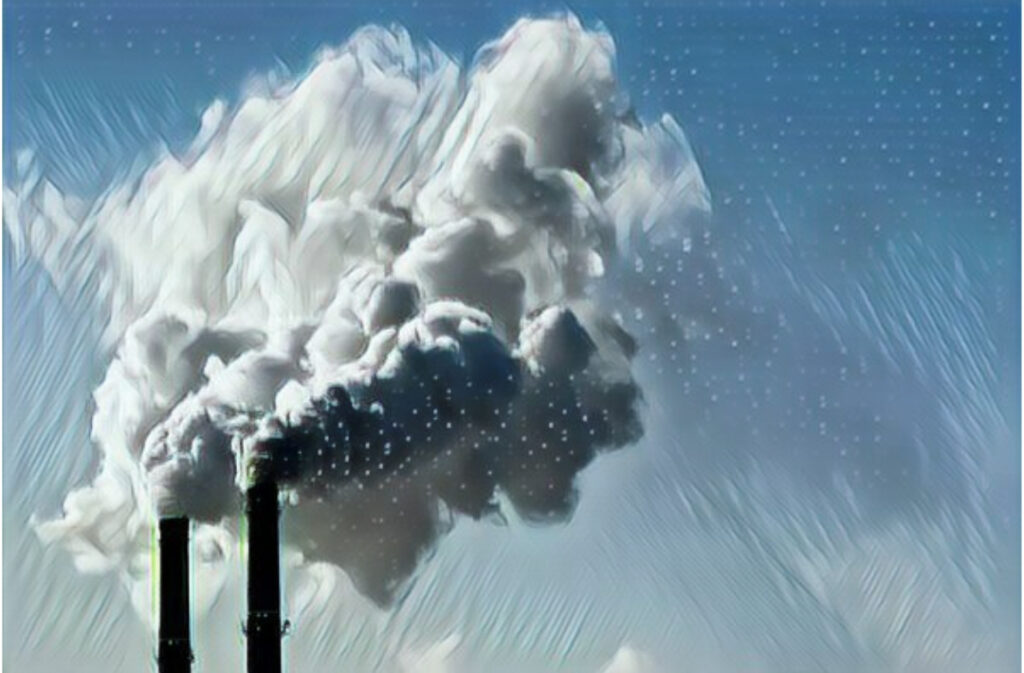

Kazakhstan’s Air Quality Stagnates Despite Emission Reforms

Over the past two decades, air pollution levels in Kazakhstan have remained persistently high, despite numerous reform pledges and reported reductions in specific emissions. This is the conclusion of a recent study by analysts at Ranking.kz. Half the Country at Risk According to 2025 data from the international service Numbeo, Kazakhstan ranked 30th out of 113 countries in urban air pollution, with an index of 73.2 out of 100. This marks only a modest improvement from a 2013 peak of 79.6. Neighboring Russia and Uzbekistan fared better, with scores of 59 and 54, respectively. Kazhydromet, Kazakhstan’s meteorological service, reported that in 2023, only 23 of the 70 surveyed cities and towns were considered relatively environmentally friendly. Of these, just four were regional centers; the rest were smaller towns and villages. The remaining 47 locations displayed elevated or critically high pollution levels. Astana, Almaty, Karaganda, and Ust-Kamenogorsk were cited as the most concerning. In these cities, pollution has either stagnated or worsened since 2005. Karaganda’s Air Pollution Index (API) rose from 13.9 in 2005 to 16 in 2023. Astana’s API nearly doubled, from 3.7 to 7. Although Almaty exited the “red” zone, it remains categorized as having elevated pollution. In November 2023, Ust-Kamenogorsk authorities moved schoolchildren to remote learning due to thick smog, the first such decision on environmental grounds. Senators Olga Bulavkina and Shakarim Buktugutov proposed declaring the city an ecological disaster zone, but the government dismissed the need for a special commission. The Emissions Paradox According to the National Statistics Office, total pollutant emissions, comprising solid, liquid, and gaseous substances, declined from 3 million tons in 2005 to 2.3 million tons in 2023, a 24% decrease. However, greenhouse gas emissions increased by over 45% during the same period, rising from 233.8 million tons to 340 million tons, according to the international database OurWorldinData. This surge contradicts Kazakhstan’s commitments under the Paris Agreement, which it joined in 2016. The primary culprits remain unchanged: coal-fired thermal power plants. In 2023, stationary sources accounted for 2.2 million tons of the 2.3 million total emissions. The number of such sources has more than doubled since 2005, reaching 233,800. Between Optimism and Routine In a bid to reverse the trend, Kazakhstan has approved a national strategy to achieve carbon neutrality by 2060. The plan targets a reduction in greenhouse gas emissions to 324.4 million tons by 2030, with full carbon neutrality by mid-century. Measures include expanding renewable energy, constructing nuclear power plants, and integrating low-carbon technologies in industry. Despite these ambitions, emissions have yet to return even to 2005 levels. While some progress has been made, it is not enough to offset broader environmental deterioration. In the country’s largest cities, residents continue to breathe air laced with harmful pollutants, contributing to increased cancer rates and a declining quality of life. If Kazakhstan succeeds in implementing even part of its environmental roadmap, then perhaps within the next decade, smog alerts, pollution spikes, and remote learning due to air quality may become rare exceptions rather than...