
• KGS/USD = 0.01144 0%
  • KZT/USD = 0.00204 0%
  • TJS/USD = 0.10585 0%
  • UZS/USD = 0.00008 0%
  • TMT/USD = 0.28490 0%
  • KGS/USD = 0.01144 0%
  • KZT/USD = 0.00204 0%
  • TJS/USD = 0.10585 0%
  • UZS/USD = 0.00008 0%
  • TMT/USD = 0.28490 0%
  • KGS/USD = 0.01144 0%
  • KZT/USD = 0.00204 0%
  • TJS/USD = 0.10585 0%
  • UZS/USD = 0.00008 0%
  • TMT/USD = 0.28490 0%
  • KGS/USD = 0.01144 0%
  • KZT/USD = 0.00204 0%
  • TJS/USD = 0.10585 0%
  • UZS/USD = 0.00008 0%
  • TMT/USD = 0.28490 0%
  • KGS/USD = 0.01144 0%
  • KZT/USD = 0.00204 0%
  • TJS/USD = 0.10585 0%
  • UZS/USD = 0.00008 0%
  • TMT/USD = 0.28490 0%
  • KGS/USD = 0.01144 0%
  • KZT/USD = 0.00204 0%
  • TJS/USD = 0.10585 0%
  • UZS/USD = 0.00008 0%
  • TMT/USD = 0.28490 0%
  • KGS/USD = 0.01144 0%
  • KZT/USD = 0.00204 0%
  • TJS/USD = 0.10585 0%
  • UZS/USD = 0.00008 0%
  • TMT/USD = 0.28490 0%
  • KGS/USD = 0.01144 0%
  • KZT/USD = 0.00204 0%
  • TJS/USD = 0.10585 0%
  • UZS/USD = 0.00008 0%
  • TMT/USD = 0.28490 0%
18 February 2026

Viewing results 1 - 6 of 6

Opinion: Multi-Vectorism 2.0 – Kazakhstan Seeks Balance in a Shifting Geopolitical Landscape

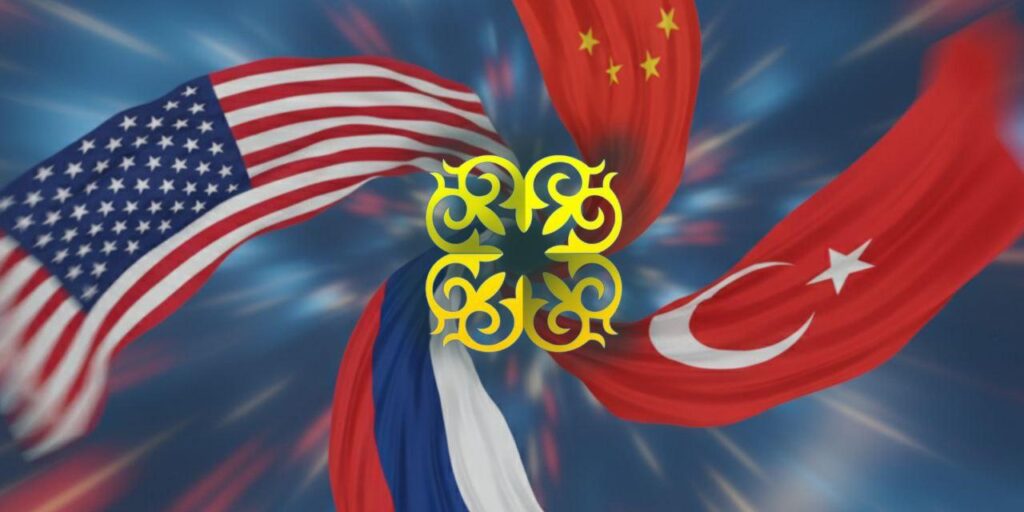
The world is reverting to the logic of bloc confrontation. Sanctions regimes, technological barriers, and deepening mistrust between major powers are compelling medium-sized states to chart independent courses. Kazakhstan stands at the center of this evolving geopolitical matrix. While Moscow remains a vital partner in defense and energy, Astana is simultaneously cultivating strong ties with other global power centers, including China, the U.S., Turkey, the European Union, and the Gulf states. Yet Kazakhstan refuses to align with any single bloc, adhering instead to a strategy of "flexible autonomy", cooperating broadly while preserving its sovereignty. Russia: Alliance with Strategic Boundaries On November 11-12, 2025, President Kassym-Jomart Tokayev met with Russian President Vladimir Putin in Moscow. The two leaders signed a declaration on a comprehensive strategic partnership and alliance, reaffirming cooperation on security, energy, and logistics projects. Key discussions included the gasification of border regions, the modernization of energy infrastructure, and the transit of Russian energy via Kazakhstan. Tokayev emphasized Kazakhstan’s interest in a stable and prosperous Russia, calling Putin a “statesman of global stature.” Still, this alignment does not supplant Kazakhstan’s multi-vector policy. The Moscow visit directly followed Tokayev’s talks in Washington, underscoring that Astana views relations with Russia as one of several strategic pillars. The U.S.: Investment and Critical Minerals Diplomacy During Tokayev’s visit to the U.S. in early November 2025, he and President Donald Trump oversaw the signing of 29 agreements totaling approximately $17 billion. The deals spanned industry, energy, digitalization, education, and innovation. Highlights in recent collaboration between Kazakhstan and the U.S. include a $2.5 billion John Deere production facility in Kostanay and Turkestan, a $1.1 billion development of tungsten deposits, and over $1 billion in digital infrastructure cooperation with companies such as Hewlett Packard Enterprise, Oracle, and Starlink. Leading global funds also pledged roughly $1 billion in new investments. These agreements reflect growing trust and a shared commitment to investment-driven, high-tech cooperation. China: Strategic Synergy and Technological Convergence China remains Kazakhstan’s largest trading partner and a cornerstone of its eastern vector. During Tokayev’s October 17, 2023 visit to Beijing, he and President Xi Jinping reaffirmed a “comprehensive strategic partnership” built on political trust and economic cooperation. In June 2025, Xi Jinping visited Astana for the second China-Central Asia Summit, where he and Kassym‑Jomart Tokayev reinforced their countries’ “comprehensive strategic partnership”, oversaw deals spanning energy, infrastructure, agriculture, and digital technology. Later that year, at the Shanghai Cooperation Organisation summit in Tianjin, the two leaders used the platform to deepen cooperation within a multilateral framework, promoting connectivity and regional trade under the Belt and Road Initiative. Turkey: Civilizational Ties and Strategic Growth Ties between Kazakhstan and Turkey are underpinned by shared cultural and historical foundations. At the fifth High-Level Strategic Cooperation Council meeting in Ankara on July 29, 2025, President Recep Tayyip Erdoğan welcomed Tokayev, reaffirming Turkey’s role as a major investor and educational partner. More than 12,000 Kazakh students are enrolled in Turkish universities. Defense cooperation is expanding under the Organization of Turkic States (OTS), and tourism and...

EU-Central Asia Ministerial Meeting Highlights Enhanced Cooperation and Strategic Priorities

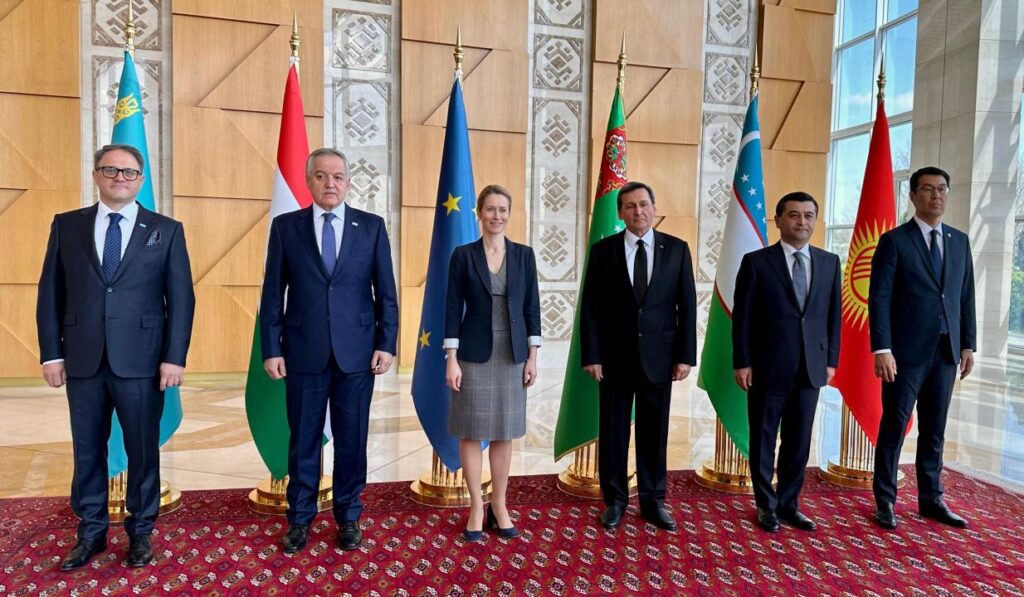
The 20th EU-Central Asia Ministerial Meeting took place on March 27 in Ashgabat, Turkmenistan, reaffirming the parties’ strong political will to deepen engagement and strengthen cooperation in strategically significant areas. The meeting brought together the EU High Representative for Foreign Affairs and Security Policy, Kaja Kallas, along with the foreign ministers of Tajikistan, Turkmenistan, and Uzbekistan, and the deputy foreign ministers of Kazakhstan and Kyrgyzstan. A key item on the agenda was preparation for the inaugural EU-Central Asia Summit, scheduled for April 4, 2025, in Samarkand, Uzbekistan. Advancing Strategic Cooperation Kallas and Central Asian ministers discussed a broad spectrum of mutual priorities under the EU’s Global Gateway Flagship Initiatives, including trade, transport, energy, water resource management, climate change, digitalization, and critical raw materials. Both sides also highlighted advancing cooperation in education, vocational training, research, and skills development to foster deeper people-to-people ties. In a joint communiqué adopted at the meeting, the EU and Central Asian states reaffirmed their shared commitment to further strengthening their comprehensive partnership, grounded in mutual interests and values. The discussions were guided by the “Joint Roadmap for Deepening Ties between the EU and Central Asia,” previously adopted in Luxembourg in October 2023. Focus on Connectivity and the Trans-Caspian Corridor Connectivity emerged as a central theme, with the participants stressing the need to expand sustainable connections between Central Asia and Europe. The EU’s Global Gateway Strategy was highlighted as a key vehicle for supporting regional infrastructure in trade, transport, water, and energy. The participants recalled the success of the Global Gateway Investors Forum on EU-Central Asia Transport Connectivity, held in Brussels in January 2024. They welcomed commitments by European and international financial institutions to invest €10 billion in the Trans-Caspian Transport Corridor (TCTC), aimed at significantly enhancing East-West transport links. Critical Raw Materials and Local Value Chains Another focal point was the growing strategic importance of critical raw materials (CRMs). Ministers reviewed progress following the signing of a Strategic Partnership Memorandum of Understanding between the EU and both Kazakhstan and Uzbekistan in the CRM sector. The meeting acknowledged EU support for strengthening local value chains in Central Asia. Discussions stressed alignment with international labor and environmental standards and the development of sustainable investment projects across the region. Sanctions Compliance The EU also briefed participants on its restrictive measures in the current geopolitical environment, underlining the need to prevent sanctions circumvention. Central Asian countries expressed readiness to continue cooperating with the EU to prevent re-exports of sensitive items, particularly those classified as “high priority.” Strategic Outlook The meeting reaffirmed the EU’s 2019 Strategy on Central Asia, which recognizes the region’s increasing strategic relevance to Europe. The Ashgabat gathering further solidified this recognition, highlighting Central Asia’s growing role in regional connectivity, resource security, and global diplomacy.