

• KGS/USD = 0.01144 0%
  • KZT/USD = 0.00216 0%
  • TJS/USD = 0.10698 0.09%
  • UZS/USD = 0.00008 0%
  • TMT/USD = 0.28530 0%
  • KGS/USD = 0.01144 0%
  • KZT/USD = 0.00216 0%
  • TJS/USD = 0.10698 0.09%
  • UZS/USD = 0.00008 0%
  • TMT/USD = 0.28530 0%
  • KGS/USD = 0.01144 0%
  • KZT/USD = 0.00216 0%
  • TJS/USD = 0.10698 0.09%
  • UZS/USD = 0.00008 0%
  • TMT/USD = 0.28530 0%
  • KGS/USD = 0.01144 0%
  • KZT/USD = 0.00216 0%
  • TJS/USD = 0.10698 0.09%
  • UZS/USD = 0.00008 0%
  • TMT/USD = 0.28530 0%
  • KGS/USD = 0.01144 0%
  • KZT/USD = 0.00216 0%
  • TJS/USD = 0.10698 0.09%
  • UZS/USD = 0.00008 0%
  • TMT/USD = 0.28530 0%
  • KGS/USD = 0.01144 0%
  • KZT/USD = 0.00216 0%
  • TJS/USD = 0.10698 0.09%
  • UZS/USD = 0.00008 0%
  • TMT/USD = 0.28530 0%
  • KGS/USD = 0.01144 0%
  • KZT/USD = 0.00216 0%
  • TJS/USD = 0.10698 0.09%
  • UZS/USD = 0.00008 0%
  • TMT/USD = 0.28530 0%
  • KGS/USD = 0.01144 0%
  • KZT/USD = 0.00216 0%
  • TJS/USD = 0.10698 0.09%
  • UZS/USD = 0.00008 0%
  • TMT/USD = 0.28530 0%

Viewing results 1 - 6 of 7

Uzbekistan-Born Israeli Citizen Killed in Rocket Strike Near Tel Aviv

A 62-year-old man born in Uzbekistan was killed in a rocket strike at a construction site in the Israeli city of Yehud on March 9, according to the Embassy of Uzbekistan in Israel. The victim, Rustam Gulomov, had been living in Israel for the past 14 years. The embassy stated that he renounced his Uzbek citizenship in 2017 and subsequently obtained Israeli citizenship. Information about the incident first appeared in several media reports and on social media following the rocket attack on the construction site where Gulomov was working. The embassy later confirmed his identity and expressed condolences to his family and relatives. “As of March 11, the embassy has not received information about any injuries among citizens of Uzbekistan,” the diplomatic mission said in a statement. At the same time, the embassy warned that the security situation in Israel remains tense and urged Uzbek nationals in the country to strictly follow safety instructions and respond promptly to official warning signals. The diplomatic mission also called on Uzbek citizens working temporarily or residing permanently in Israel to pay close attention to air-raid alerts and comply with all emergency safety regulations. Meanwhile, Uzbekistan continues efforts to repatriate its citizens from several countries in the Middle East. According to the Ministry of Foreign Affairs, a total of 25,047 Uzbek nationals had returned to the country as of March 10. Officials said the majority were evacuated from Saudi Arabia, where 21,017 people were repatriated. Additional returns included 3,555 citizens from the United Arab Emirates, 394 from Qatar, 47 from Iran, 27 from Bahrain, and seven from Oman. The ministry noted that repatriation efforts are being conducted in stages, with evacuation flights mainly organised through countries whose airspace remains open to civilian aviation.

“Acid clouds” from Iran? Kazakhstan and Uzbekistan Weather Agencies Say There is No Threat to Central Asia

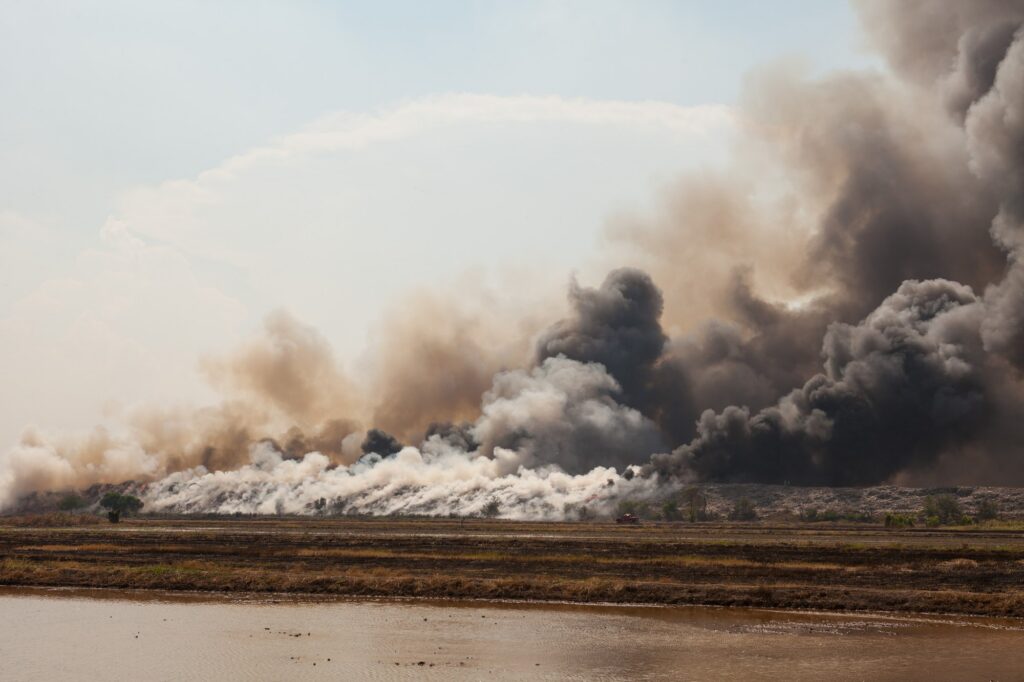
Social media has been flooded with claims that a toxic cloud could drift from Iran toward Central Asia following strikes on oil facilities. However, the meteorological services of Kazakhstan and Uzbekistan say those fears are not supported by scientific data. In recent days, posts online have warned of so-called “acid clouds” allegedly forming over Iran after attacks on oil depots and other energy infrastructure. Some of these posts claimed the pollution could be carried by atmospheric currents toward Turkmenistan, Uzbekistan, Kazakhstan, and China. Others cited reports of “black rain” in Tehran and elevated concentrations of sulphur dioxide, nitrogen oxides, and soot. Iranian authorities and international reporting have documented severe local air pollution risks in and around Tehran after the strikes. The Iranian Red Crescent Society warned residents that rainfall following the explosions could be acidic and hazardous to health. Experts said the pollution could irritate the skin, eyes, and lungs and contaminate soil and water near the affected areas. Kazhydromet, Kazakhstan’s national weather service, said reports that “acid clouds” from Iran could reach Central Asia are not confirmed by scientific data or observation results. The agency explained that acid precipitation typically forms near the source of emissions and that the concentration of pollutants decreases significantly over long distances due to natural atmospheric processes. Monitoring data, it said, show no signs of such pollution moving toward Kazakhstan or other Central Asian countries. Uzbekistan’s hydrometeorological service, Uzhydromet, expressed a similar position. It said information circulating on social media about “acid clouds” reaching Central Asian countries has no scientific basis. According to the agency, dangerous concentrations of acid precipitation thousands of kilometres from the source are practically impossible, and current observations show no threat to Uzbekistan or neighbouring states. Experts note that large fires at oil facilities can release substantial amounts of harmful pollutants into the atmosphere. However, such risks are primarily local or regional near the source. By the time emissions travel very long distances, atmospheric dispersion and deposition typically reduce concentrations sharply. As a result, the health concerns reported in Tehran do not support claims of a toxic cloud threatening Central Asia. Both Kazhydromet and Uzhydromet urged the public and media outlets to rely on official information and avoid spreading unverified reports.

Opinion: Kazakhstan Caught in the Crossfire of Caspian Pipeline Strikes

The developing peace process between Russia and Ukraine, initiated by U.S. President Donald Trump, offers a glimmer of hope for stability. Yet Kazakhstan finds itself in a difficult position, caught in the crosshairs of a conflict that continues to spill across its borders, at least economically. Over the past few months, the Caspian Pipeline Consortium (CPC), through which more than 80% of Kazakhstan’s oil is exported, has become the target of repeated drone attacks linked to the war in Ukraine. Despite a tentative ceasefire agreement, damage to CPC infrastructure continues. In mid-March, the Kavkazskaya oil depot in Russia’s Krasnodar region, part of the CPC system, suffered a major fire following a suspected Ukrainian drone attack. According to Reuters, the blaze lasted nearly a week before being extinguished, raising concerns about the vulnerability of energy infrastructure in the region. Western outlets have confirmed that the CPC’s Kropotkinskaya pumping station was targeted around the same period. S&P Global reported that drone strikes on March 18-19 damaged a key facility transferring oil from rail tankers to the pipeline system. Business Insider noted the attack caused serious financial disruption, particularly for CPC shareholders such as Chevron-led Tengizchevroil. Kazakhstani journalist Oleg Chervinsky has stated that the CPC was included in a ceasefire moratorium on mutual strikes, reportedly agreed upon by both sides. If accurate, the March attacks could suggest a violation of those terms. AP News has also highlighted ambiguity in the ceasefire framework, with Russia and Ukraine each accusing the other of non-compliance. The economic stakes for Kazakhstan are high. According to oil and gas analyst Olzhas Baidildinov, the CPC distributed $1.3 billion in dividends in 2024, with KazMunayGas, Kazakhstan’s national oil company, receiving an estimated $250 million, approximately $85 million of which was channeled into the state budget. At a time when Kazakhstan is still recovering from a budget deficit, further disruptions to CPC operations are more than technical, they threaten fiscal stability. Yet the response from Astana has remained subdued. Political analyst Andrei Chebotarev recalled that following an an earlier attack in February, the Kazakh Ministry of Foreign Affairs pledged to engage with its Ukrainian counterparts. What emerged from those talks remains unclear. Chebotarev also noted that Ukraine has yet to appoint a new ambassador to Kazakhstan, despite generally constructive relations. Fellow analyst Daniyar Ashimbayev has speculated that geopolitical rivalries may be at play, including competition with the Baku-Tbilisi-Ceyhan pipeline and Kazakhstan’s recent overproduction within OPEC+, though these claims remain unverified. In a brief official comment, Deputy Foreign Minister Alibek Kuantyrov confirmed that Kazakhstan remains in contact with Ukraine and that discussions are ongoing. Meanwhile, the Ministry of Energy has stated that Kazakh oil continues to flow through the CPC pipeline without restriction. Yet, for many observers, Kazakhstan’s measured diplomacy, perhaps aimed at avoiding antagonism with either side, is beginning to feel inadequate. As key infrastructure remains exposed to cross-border conflict, the case for a firmer and more public diplomatic posture grows stronger.
