
• KGS/USD = 0.01144 0%
  • KZT/USD = 0.00213 0%
  • TJS/USD = 0.10678 -0.19%
  • UZS/USD = 0.00008 0%
  • TMT/USD = 0.28571 0%
  • KGS/USD = 0.01144 0%
  • KZT/USD = 0.00213 0%
  • TJS/USD = 0.10678 -0.19%
  • UZS/USD = 0.00008 0%
  • TMT/USD = 0.28571 0%
  • KGS/USD = 0.01144 0%
  • KZT/USD = 0.00213 0%
  • TJS/USD = 0.10678 -0.19%
  • UZS/USD = 0.00008 0%
  • TMT/USD = 0.28571 0%
  • KGS/USD = 0.01144 0%
  • KZT/USD = 0.00213 0%
  • TJS/USD = 0.10678 -0.19%
  • UZS/USD = 0.00008 0%
  • TMT/USD = 0.28571 0%
  • KGS/USD = 0.01144 0%
  • KZT/USD = 0.00213 0%
  • TJS/USD = 0.10678 -0.19%
  • UZS/USD = 0.00008 0%
  • TMT/USD = 0.28571 0%
  • KGS/USD = 0.01144 0%
  • KZT/USD = 0.00213 0%
  • TJS/USD = 0.10678 -0.19%
  • UZS/USD = 0.00008 0%
  • TMT/USD = 0.28571 0%
  • KGS/USD = 0.01144 0%
  • KZT/USD = 0.00213 0%
  • TJS/USD = 0.10678 -0.19%
  • UZS/USD = 0.00008 0%
  • TMT/USD = 0.28571 0%
  • KGS/USD = 0.01144 0%
  • KZT/USD = 0.00213 0%
  • TJS/USD = 0.10678 -0.19%
  • UZS/USD = 0.00008 0%
  • TMT/USD = 0.28571 0%

Viewing results 1 - 6 of 4

Kyrgyzstan Increases Excise Taxes on Alcohol and Sweetened Beverages

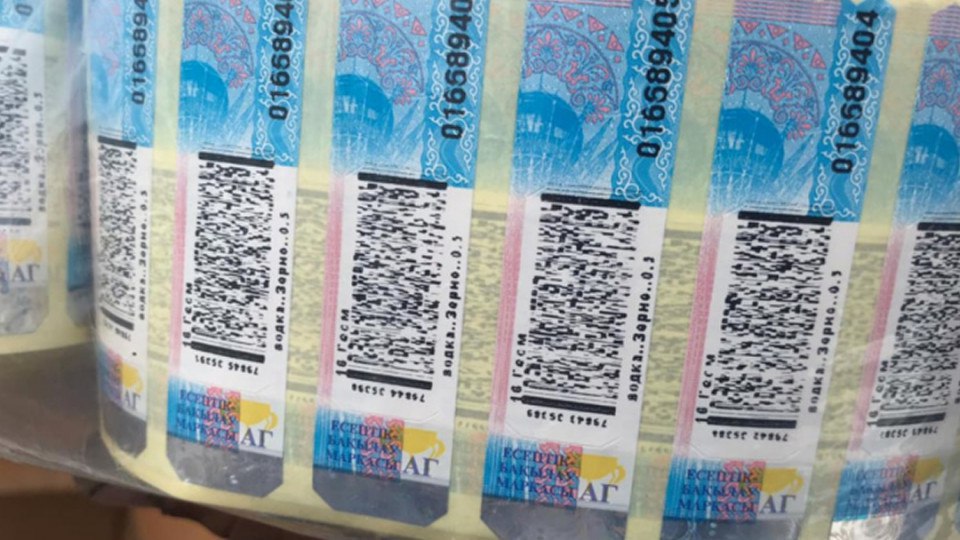
The Kyrgyz Cabinet of Ministers has approved a rise in excise tax rates on alcoholic beverages and sugar-containing drinks, including children's juices, as part of a broader phased tax reform strategy According to the State Tax Service (STS), the adjustments are part of a long-term initiative that will continue incrementally through the end of the decade. The excise tax on vodka and spirits has increased from approximately $1.8 to $2.2 per liter, with an additional annual increase of about $0.2 expected in the coming years. Rates for other alcoholic beverages have also been revised: Wine: increased by approximately $0.05 per liter (now around $0.2) Cognac: increased by about $0.4 per liter (now about $1.6) Beer: increased by roughly $0.03 per liter (now approximately $0.2) The tax agency highlighted that the changes are being implemented gradually to mitigate potential inflationary effects on retail prices. Officials stated that the reform has a social dimension, aiming to curb consumption of products deemed harmful to public health. In the first 11 months of last year, Kyrgyzstan collected approximately $228.5 million in excise tax revenues. Of that total, around $55 million came from domestically produced goods, including $38.8 million from alcohol sales. New Tax Introduced on Sugar-Containing Beverages The reform also introduces an excise tax on sugar-containing beverages for the first time, including products previously classified as baby food. Previously, such items were exempt, leading to regulatory loopholes. The STS explained that some manufacturers registered sweetened beverages as baby food to avoid excise duties, creating unfair competition in the market. To close this gap, all sugar-containing beverages, including children’s juices, will now be taxed at a minimum rate of about $0.03 per liter. Given the typically small packaging sizes, authorities estimate the retail price increase per unit will be modest, approximately $0.01. The reform reflects a growing regional trend of leveraging fiscal policy to discourage unhealthy consumption habits while generating revenue for public spending.


Kazakhstan to Increase Taxes for High Earners

The Kazakh Ministry of National Economy has submitted a second package of amendments to the tax legislation to parliament, proposing an increase in the individual income tax rate for high earners. The second package was submitted to the Mazhilis (the lower house of the Kazakh parliament) on April 25. One of the key provisions is the introduction of differentiated individual income tax rates based on employees' earnings. "Citizens with lower incomes will pay personal income tax at a lower rate than high-paid workers," the Ministry of National Economy stated.  The ministry has not specified the exact income levels that will be subject to the higher rate. However, in early April, Minister Serik Zhumangarin indicated to parliamentarians that an increased rate of 15% was being proposed for employees whose annual income exceeds 8,500 monthly calculation indices (MCI). Currently, one MCI in Kazakhstan is valued at 3,932 KZT ($7.64). By 2026, when the new Tax Code is expected to come into force, it is planned to rise to 4,129 KZT ($8). Based on these figures, the threshold for the increased personal income tax rate would start at 35 million KZT per year (approximately $68,000) or 2.9 million KZT per month ($5,600) in 2026. Not all of a high earner's salary would be taxed at the increased 15% rate. Instead, only the portion exceeding the 2.9 million KZT threshold would be taxed at the higher rate; income up to that threshold would continue to be taxed at the standard 10% rate. Currently, Kazakhstan levies a flat personal income tax rate of 10%. The Ministry of National Economy projects that the introduction of a progressive scale could increase tax revenues by 70 billion KZT per year (approximately $13.5 million). Additional Tax Code Reforms The ministry also proposed optimizing deductions for medical, education, and social contributions. A single basic deduction of 30 MCI per month would be introduced, replacing the current deduction of 14 MCI. All additional deductions would be eliminated, aiming to simplify accounting procedures and reduce the administrative burden for individuals and employers. At present, employees can exempt from taxation a portion of their salary equivalent to 14 MCI, or about 55,000 KZT ($106), upon request. This exemption is available to all working citizens but can be used at only one place of employment. Under the proposed changes, starting in 2026, Kazakhstani citizens would be able to exempt 123,800 KZT ($239) per month from taxation. The ministry also proposed strengthening liability for violations related to compulsory social and health insurance and the use of special tax regimes. These measures are part of a broader strategy to reinforce tax compliance across the country. In total, the government has proposed 71 amendments to the draft new Tax Code and related legislation, along with 67 amendments to the current Tax Code. As previously reported by The Times of Central Asia, the Mazhilis approved the draft of the new Tax Code in its first reading in early April. However, the proposed reforms continue to provoke debate and...