

• KGS/USD = 0.01144 0%
  • KZT/USD = 0.00211 0%
  • TJS/USD = 0.10802 -0.18%
  • UZS/USD = 0.00008 0%
  • TMT/USD = 0.28490 0%
  • KGS/USD = 0.01144 0%
  • KZT/USD = 0.00211 0%
  • TJS/USD = 0.10802 -0.18%
  • UZS/USD = 0.00008 0%
  • TMT/USD = 0.28490 0%
  • KGS/USD = 0.01144 0%
  • KZT/USD = 0.00211 0%
  • TJS/USD = 0.10802 -0.18%
  • UZS/USD = 0.00008 0%
  • TMT/USD = 0.28490 0%
  • KGS/USD = 0.01144 0%
  • KZT/USD = 0.00211 0%
  • TJS/USD = 0.10802 -0.18%
  • UZS/USD = 0.00008 0%
  • TMT/USD = 0.28490 0%
  • KGS/USD = 0.01144 0%
  • KZT/USD = 0.00211 0%
  • TJS/USD = 0.10802 -0.18%
  • UZS/USD = 0.00008 0%
  • TMT/USD = 0.28490 0%
  • KGS/USD = 0.01144 0%
  • KZT/USD = 0.00211 0%
  • TJS/USD = 0.10802 -0.18%
  • UZS/USD = 0.00008 0%
  • TMT/USD = 0.28490 0%
  • KGS/USD = 0.01144 0%
  • KZT/USD = 0.00211 0%
  • TJS/USD = 0.10802 -0.18%
  • UZS/USD = 0.00008 0%
  • TMT/USD = 0.28490 0%
  • KGS/USD = 0.01144 0%
  • KZT/USD = 0.00211 0%
  • TJS/USD = 0.10802 -0.18%
  • UZS/USD = 0.00008 0%
  • TMT/USD = 0.28490 0%

Viewing results 1 - 6 of 2

Uzbekistan Busts Scam Call Centers Targeting Europe and North America

Uzbek law enforcement authorities have dismantled two illegal call centers in Tashkent that were part of a transnational fraud network targeting victims across Europe and North America, according to the country’s Ministry of Internal Affairs. The operation, carried out jointly by the Interior Ministry’s Cybercrime Department and the State Security Service, targeted offices located in the Yashnabad and Yakkasaray districts of the Uzbek capital. Authorities found 97 people, including five foreign nationals, at the first location, while 34 more, including three foreigners, were apprehended at the second site. According to investigators, the call centers conducted fraudulent phone calls and mass messaging campaigns using spoofed telephone numbers. Operators posed as financial advisers and investment brokers, persuading victims to purchase cryptocurrencies and invest in purported high-yield investment schemes. The group also created multiple phishing websites designed to imitate legitimate investment platforms, promising returns of up to 70% per month. The Interior Ministry said the organizers recruited university students in Tashkent with foreign-language skills to communicate with overseas victims. Employees operated under aliases and underwent specialized training that emphasized strict operational security. Access to the offices was tightly controlled. Criminal proceedings have been opened by the Cybercrime Department’s investigative division. Authorities said investigative and operational measures are continuing with respect to the remaining 111 individuals found at the two facilities. The Interior Ministry added that its International Cooperation Department and Uzbekistan’s National Central Bureau of Interpol are preparing requests for assistance to law enforcement agencies in Europe and North America. Officials described the operation as the result of “hundreds of hours of surveillance, digital forensic analysis, and international cooperation.” The case follows a series of major anti-fraud operations in Uzbekistan. Earlier this year, the State Security Service dismantled three call centers that targeted Russian citizens by promising compensation for allegedly defective dietary supplements and then demanding advance “tax” payments before victims could receive the fictitious reimbursements. In another operation in June, the Uzbek authorities uncovered multiple fraud schemes across six regions involving false promises of employment in South Korea. In one case, the head of a private company allegedly demanded approximately $384,000 from a group of 48 people in exchange for arranging overseas jobs.
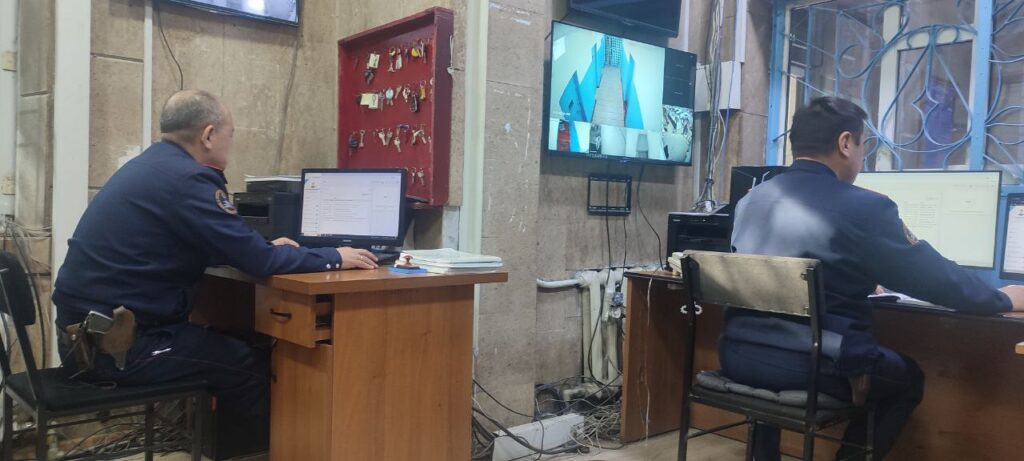

Telephone Scammers in Kyrgyzstan Begin Using AI Tools

Kyrgyzstan has recorded an increase in telephone fraud cases involving AI. According to law enforcement agencies, dozens of citizens have fallen victim to such schemes, with total losses amounting to millions of soms. Fraudsters use AI tools to imitate voices and images, posing as law enforcement officers, representatives of the National Bank, or acquaintances of their targets. Police say international criminal groups most often target pensioners and public sector employees, including teachers, doctors, and other government workers, whom they consider more susceptible to social engineering tactics. Complaints are received on a regular basis, but in most cases the transferred funds cannot be recovered. Ulan Berdibayev, head of the Internal Affairs Department of Bishkek’s Leninsky district, told The Times of Central Asia that the schemes are organized and cross-border in nature. According to him, the networks involve multiple actors, including psychologists, call operators, and recruiters of so-called “droppers.” The latter are responsible for withdrawing funds and registering bank cards and SIM cards in their own names to facilitate the transit of money. A dropper is an individual whose bank details are used to transfer and cash out stolen funds. They are typically offered a small reward for their participation, while the bulk of the proceeds goes to the organizers of the scheme. Law enforcement officials acknowledge that apprehending the organizers, who are usually located abroad, is extremely difficult. After passing through several bank transfers, the funds are often converted into cryptocurrency, making them even harder to trace. At the same time, police report that several droppers have been detained within Kyrgyzstan. They face charges under Article 209 of the Criminal Code, which stipulates penalties including fines or imprisonment with terms ranging from five to ten years, depending on the scale of the damage. A recent case drew particular attention when fraudsters used AI to generate a fake image of former State Committee for National Security head Kamchibek Tashiev and circulated messages urging people to install a pirated application that granted access to users’ banking services.