• KZT/USD = 0.00221
  • TJS/USD = 0.10860
  • UZS/USD = 0.00008
  • TMT/USD = 0.29850
  • KZT/USD = 0.00221
  • TJS/USD = 0.10860
  • UZS/USD = 0.00008
  • TMT/USD = 0.29850
  • KZT/USD = 0.00221
  • TJS/USD = 0.10860
  • UZS/USD = 0.00008
  • TMT/USD = 0.29850
  • KZT/USD = 0.00221
  • TJS/USD = 0.10860
  • UZS/USD = 0.00008
  • TMT/USD = 0.29850
  • KZT/USD = 0.00221
  • TJS/USD = 0.10860
  • UZS/USD = 0.00008
  • TMT/USD = 0.29850
  • KZT/USD = 0.00221
  • TJS/USD = 0.10860
  • UZS/USD = 0.00008
  • TMT/USD = 0.29850
  • KZT/USD = 0.00221
  • TJS/USD = 0.10860
  • UZS/USD = 0.00008
  • TMT/USD = 0.29850
  • KZT/USD = 0.00221
  • TJS/USD = 0.10860
  • UZS/USD = 0.00008
  • TMT/USD = 0.29850
03 November 2026

Viewing results 1 - 6 of 2

Uzbekistan to Open Tashkent International Academy of Fashion

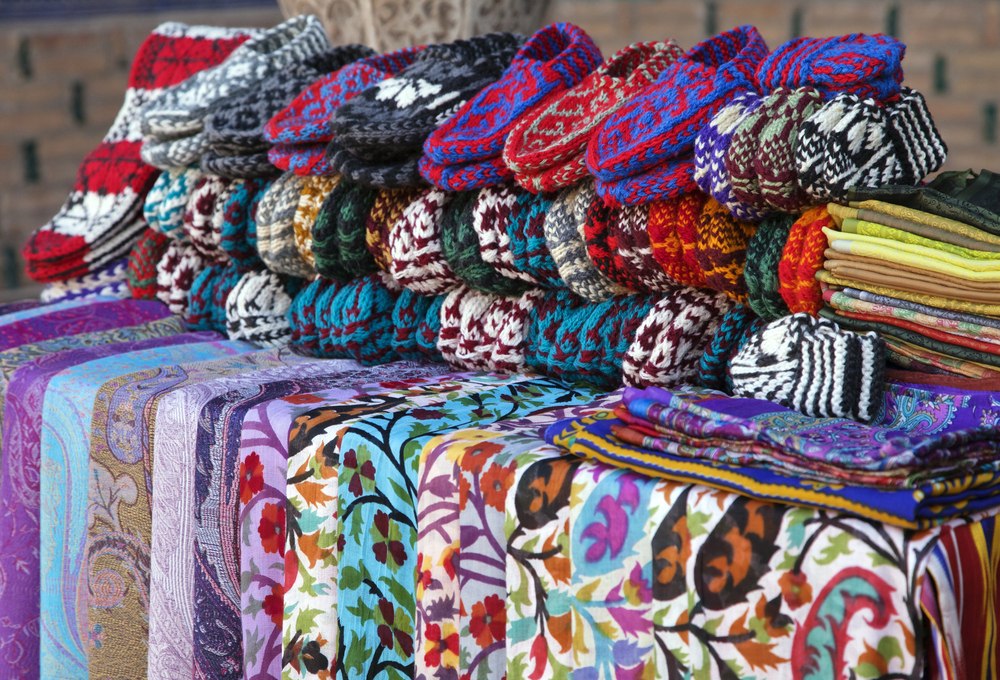
Uzbekistan plans to open a fashion academy in Tashkent to help local clothing manufacturers develop their own brands and sell their products abroad. The academy will take over the premises of the Korean-Uzbek Textile Technopark, which is closing. The new state-run institution, officially called the Tashkent International Academy of Fashion, was established by a presidential resolution signed on October 16. It will build on an existing joint program developed by the Tashkent Institute of Textile and Light Industry and the Paris-based Académie Internationale de Coupe de Paris. Students already enrolled in the program will continue their studies at the new institution. The academy will offer bachelor's and master's degrees in fashion design and related subjects. It also plans to develop joint programs with universities in Europe and Turkey. International students will be eligible for admission. Classes are scheduled to begin in the 2026–27 academic year. Students will be able to complete internships at factories, and from the following academic year, manufacturers will be able to request training programs tailored to their needs. Under this system, students will spend at least 30% of their study time at the academy and the remainder gaining practical experience in factories. The academy will also design clothing for government agencies. Uzbekistan has long manufactured clothing for international clients, but its own fashion brands remain relatively unknown outside the country. The academy aims to help change this by training people who can design clothing collections and manage their production. The textile industry remains one of Uzbekistan's major export sectors. In 2025, the country exported $2.6 billion worth of textile products. Exports reached $2.1 billion in the first eight months of 2026, an increase of 26.9% over the same period in 2025. Finished textile products accounted for 51% of those exports. For years, an international boycott of Uzbek cotton over forced labor hindered the country's textile exports to Western markets. In 2022, the Cotton Campaign coalition lifted the boycott following independent monitoring that found no systematic state-imposed forced labor during the 2021 cotton harvest. The decision opened new opportunities for manufacturers to work with international companies. The regional Next Designer Award competition receives hundreds of applications each season. In August 2026, its final was held in Tashkent for the first time, having previously taken place in Almaty. According to project director Bauyrzhan Shadibekov, young designers often struggle to attract investment and find buyers for their collections. Limited access to professional training also makes it difficult for talented designers to turn their work into successful businesses, he said. Some Uzbek designers have already begun building their own brands. One example is OZBE, which incorporates traditional ornaments and cultural symbols into contemporary streetwear. It remains unclear how many manufacturers will participate in the academy's training programs.

Turkmenistan Showcases Textile Industry as Labor Concerns Linger

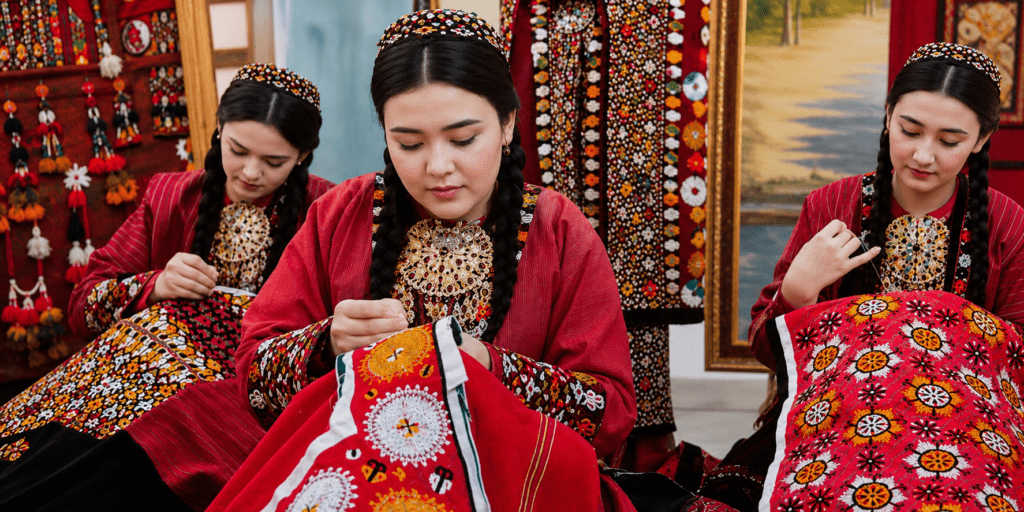
Textile executives from Asia and Europe will gather this week at an event in Turkmenistan, which says it is aligning its textile industry with international standards despite continuing concerns about labor conditions during the annual cotton harvest. More than 30 Turkmen firms are registered to participate in the TurkmenTextile Expo in Ashgabat on June 4-6, according to event organizers. More than 40 companies from China, Turkey, and Italy are also listed as Turkmenistan seeks to upgrade an industry that is critical to the national economy. Discussion topics include brand strategies, the new textile technology for deriving fibers from algae, and the role of traditional textiles in contemporary art and fashion in Central Asia. There will be a fashion show and a presentation about the Eurasian Council for Craft & Design, a platform that was launched this year to promote regional designers and artisans. Katharina Schaus, the German founder of a consultancy called it fits – Organic Textile Partner, will speak about international trends in sustainable cotton production and textile certification. Another speaker, Carola Deiners, will address “responsible sourcing and the expectations of international buyers.” There have long been international concerns and calls for boycotts because of the reported mobilization of public employees and the use of forced labor, including children, in the annual cotton harvest in Turkmenistan. While the government has promised to improve working conditions and has collaborated with international inspectors, critics point to periodic state denials of the problem and an alleged gap between labor rules and their implementation. This year, the International Labour Organization, or ILO, said in a report on the 2025 harvest in Turkmenistan that there had been some progress on working conditions, particularly remuneration, but that some contractual protections and safety and health measures were still lacking. The report said there was still public employee involvement in the harvest and reported recruitment through workplace or administrative channels, as well as the perception of negative consequences for refusal to work in cotton. There was “a clear increase in children’s presence in cotton fields compared to 2024, despite strengthened legal prohibitions,” according to the report. Turkmenistan, meanwhile, has said it is increasing investment in spinning, weaving, knitwear, sewing production, and other aspects of its textile industry. Part of that effort has included the introduction of new production technologies from top textile companies in Japan and Europe. While there is a strong focus on exports, Turkmenistan’s Ministry of Textile Industry launched an online store called Dokma as part of a plan to digitalize the domestic economy. Through Dokma, state media reported last year, “customers can order hundreds of types of textile and leather footwear products — from enterprises within the ministry’s system as well as from private producers.”