Turkmenistan Showcases Textile Industry as Labor Concerns Linger
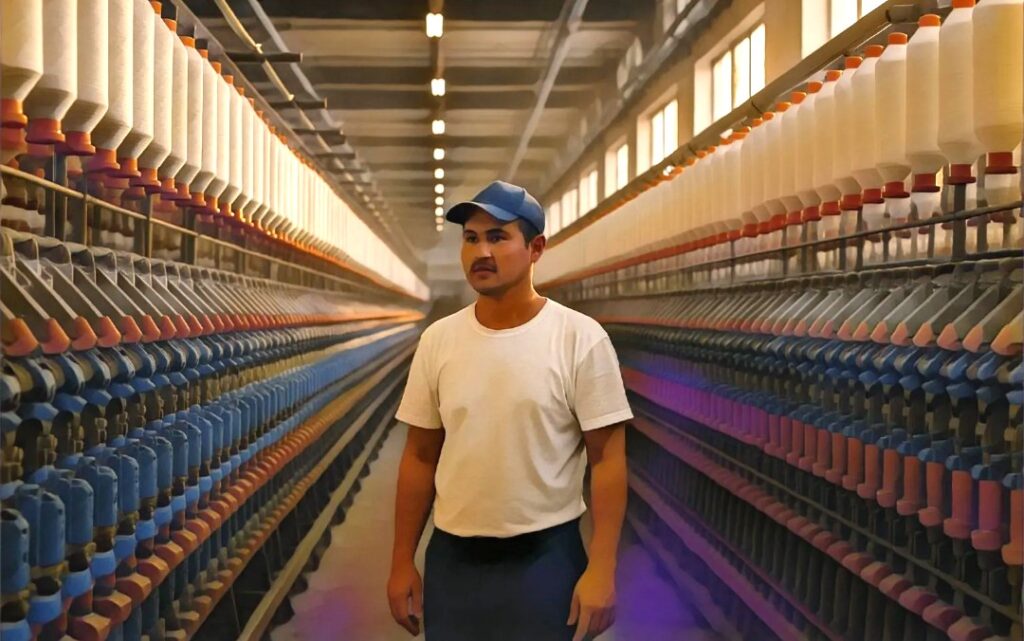
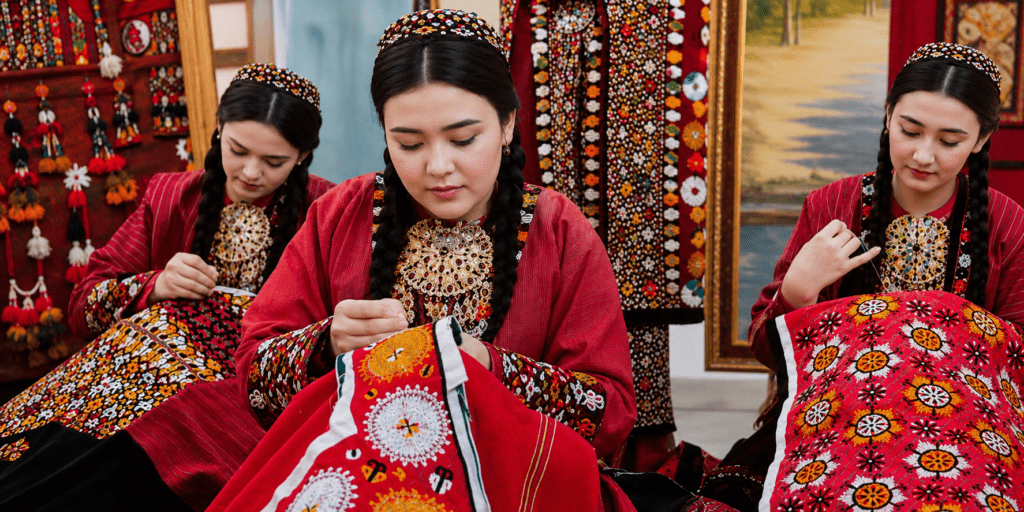
Textile executives from Asia and Europe will gather this week at an event in Turkmenistan, which says it is aligning its textile industry with international standards despite continuing concerns about labor conditions during the annual cotton harvest. More than 30 Turkmen firms are registered to participate in the TurkmenTextile Expo in Ashgabat on June 4-6, according to event organizers. More than 40 companies from China, Turkey, and Italy are also listed as Turkmenistan seeks to upgrade an industry that is critical to the national economy. Discussion topics include brand strategies, the new textile technology for deriving fibers from algae, and the role of traditional textiles in contemporary art and fashion in Central Asia. There will be a fashion show and a presentation about the Eurasian Council for Craft & Design, a platform that was launched this year to promote regional designers and artisans. Katharina Schaus, the German founder of a consultancy called it fits – Organic Textile Partner, will speak about international trends in sustainable cotton production and textile certification. Another speaker, Carola Deiners, will address “responsible sourcing and the expectations of international buyers.” There have long been international concerns and calls for boycotts because of the reported mobilization of public employees and the use of forced labor, including children, in the annual cotton harvest in Turkmenistan. While the government has promised to improve working conditions and has collaborated with international inspectors, critics point to periodic state denials of the problem and an alleged gap between labor rules and their implementation. This year, the International Labour Organization, or ILO, said in a report on the 2025 harvest in Turkmenistan that there had been some progress on working conditions, particularly remuneration, but that some contractual protections and safety and health measures were still lacking. The report said there was still public employee involvement in the harvest and reported recruitment through workplace or administrative channels, as well as the perception of negative consequences for refusal to work in cotton. There was “a clear increase in children’s presence in cotton fields compared to 2024, despite strengthened legal prohibitions,” according to the report. Turkmenistan, meanwhile, has said it is increasing investment in spinning, weaving, knitwear, sewing production, and other aspects of its textile industry. Part of that effort has included the introduction of new production technologies from top textile companies in Japan and Europe. While there is a strong focus on exports, Turkmenistan’s Ministry of Textile Industry launched an online store called Dokma as part of a plan to digitalize the domestic economy. Through Dokma, state media reported last year, “customers can order hundreds of types of textile and leather footwear products — from enterprises within the ministry’s system as well as from private producers.”