


Kazakhstan Tokenized Government Bonds to be Issued in 2027
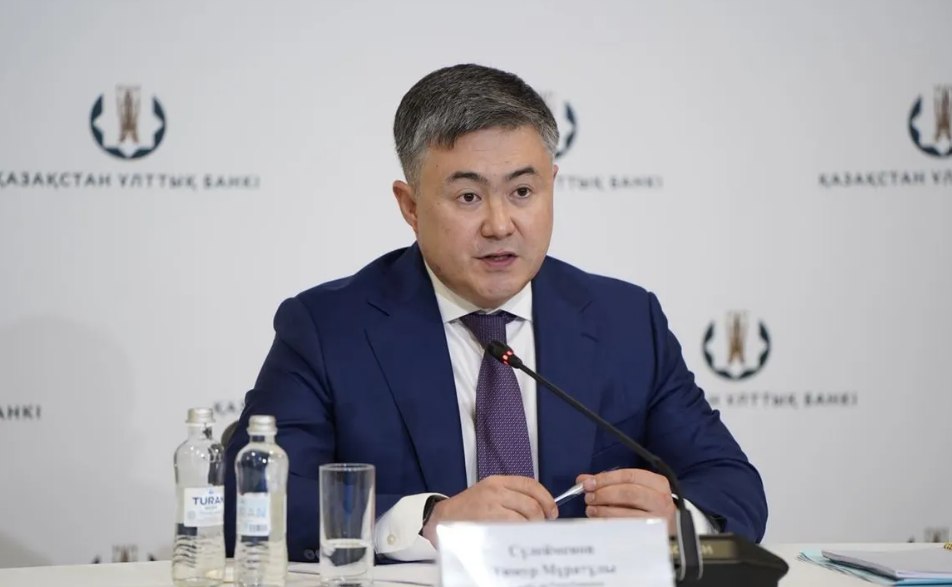
Kazakhstan plans to issue government bonds in the form of digital tokens in the first quarter of 2027, allowing ownership of the bonds to be recorded and transferred through a digital platform. National Bank Governor Timur Suleimenov outlined the plan, which is being developed with the Ministry of Finance, on November 13 at the Congress of Financiers in Almaty. The central bank has already tested the technology with its own short-term notes, a type of debt security issued by central banks. At a November 9 auction on the Kazakhstan Stock Exchange (KASE), it offered tokenized notes alongside conventional notes for the first time. The tokenized notes had a face value of 10 billion tenge (about $22 million), one-fifth of the total issue. Ownership is recorded on the KASE platform and reflected in the Central Securities Depository’s register. The Finance Ministry has proposed changing the rules to allow it to issue government treasury securities in digital form. The ministry also wants to strengthen demand and trading in government securities through the existing primary dealer system, which began operating on May 4. Public comment on the proposal closes on November 27. Suleimenov proposed that KASE, the Astana International Financial Centre, and Alatau City share information, work toward mutual recognition of financial instruments, and promote them jointly abroad. The bond initiative forms part of a wider effort by the National Bank to develop Kazakhstan’s digital financial infrastructure. National Bank Deputy Governor Binur Zhalenov told Digital Business that banks are cautious about working with new entrants to the digital asset market. The central bank is setting up a National Cryptocurrency Analytics Center to give banks and licensed service providers access to the same compliance screening tools. The central bank estimates that trading volume on licensed cryptocurrency exchanges in Kazakhstan could reach $12 billion to $13 billion in 2026 and is targeting at least $20 billion in 2027, Inbusiness.kz reported. Zhalenov said the central bank plans to increase digital tenge issuance from more than 360 billion tenge so far to about 2 trillion tenge ($4.5 billion) in 2027. Most of that amount will go toward payments under the People’s Construction infrastructure program, which is being financed through Kazakhstan’s National Fund. Digitally tagging the funds will make it possible to track who receives them and how they are spent. Separately, the central bank aims to launch a QR code payment pilot with China by the end of 2026. Kazakhstan is working on similar arrangements with other Central Asian countries and Azerbaijan. Representatives of central banks in the region plan to meet in Almaty in December to draw up a roadmap for cross-border payments.
