• KZT/USD = 0.00221
  • TJS/USD = 0.10830
  • UZS/USD = 0.00008
  • TMT/USD = 0.29760
  • KZT/USD = 0.00221
  • TJS/USD = 0.10830
  • UZS/USD = 0.00008
  • TMT/USD = 0.29760
  • KZT/USD = 0.00221
  • TJS/USD = 0.10830
  • UZS/USD = 0.00008
  • TMT/USD = 0.29760
  • KZT/USD = 0.00221
  • TJS/USD = 0.10830
  • UZS/USD = 0.00008
  • TMT/USD = 0.29760
  • KZT/USD = 0.00221
  • TJS/USD = 0.10830
  • UZS/USD = 0.00008
  • TMT/USD = 0.29760
  • KZT/USD = 0.00221
  • TJS/USD = 0.10830
  • UZS/USD = 0.00008
  • TMT/USD = 0.29760
  • KZT/USD = 0.00221
  • TJS/USD = 0.10830
  • UZS/USD = 0.00008
  • TMT/USD = 0.29760
  • KZT/USD = 0.00221
  • TJS/USD = 0.10830
  • UZS/USD = 0.00008
  • TMT/USD = 0.29760
17 October 2026

Viewing results 1 - 6 of 2

Kazakhstan Pursues Trans-Afghan Railway Routes to Indian Ocean

Kazakhstan wants a railway route to the Indian Ocean through Afghanistan and Pakistan. There is already freight that could use such a corridor: in the first seven months of 2026, Kazakhstan’s exports to Afghanistan approached $573 million. What does not yet exist is a continuous railway all the way to the sea. Several developments around this route took place in late September. Kazakhstan, Uzbekistan, and the United Arab Emirates agreed to study a corridor through Afghanistan to Pakistani ports. In western Afghanistan, a new section of a separate railway built with the participation of a company from Kazakhstan opened. Astana is also involved in plans for a railway from the Turkmen border through Herat and farther across Afghanistan. It is important not to treat all these projects as a single railway. The September 30 memorandum on the Central Asia-South Asia (CASA) project describes a route through Uzbekistan. The Khaf-Herat and Torghundi-Herat projects are separate schemes involving western Afghanistan. Official terminology has not always been consistent, with earlier government statements also using the CASA label for the Torghundi-Herat-Kandahar-Spin Boldak proposal. Afghanistan has already become a significant market for Kazakhstan’s food products. In January-July 2026, bilateral trade reached $581.1 million, compared with $541.6 million for the whole of 2025. Almost all of this year’s turnover, $572.9 million, consisted of exports from Kazakhstan. Flour accounted for $215.6 million, wheat for $122 million, and vegetable oil for $51.1 million. In the 2022-2023 season, Kazakhstan exported around 17,000 tons of sunflower oil to Afghanistan. The volume has risen to 75,000 tons in the current season, while the industry is targeting 110,000-120,000 tons next season. The two governments have set a target of increasing bilateral trade to $3 billion. For Kazakhstan, Afghanistan is currently primarily a market. The larger transport plans envisage a second role for the country: a transit territory through which Kazakh freight could eventually reach the sea. CASA: Across Afghanistan to the Sea The route now under consideration would run from Kazakhstan through Uzbekistan and Afghanistan to Pakistan, providing access to Pakistani ports on the Indian Ocean. Kazakh authorities say the corridor could eventually carry up to 10 million tons of freight a year. The three countries agreed to conduct technical and economic studies and examine financing options. No cost estimate, final route, or construction timetable has been announced. The infrastructure gap is clear on Afghanistan’s railway map. Short railway lines enter the country from Uzbekistan and Turkmenistan in the north and from Iran in the west. Pakistan’s rail network, in turn, does not extend into Afghanistan. Kazakhstan is also building ties with the Pakistani end of any future corridor. During President Kassym-Jomart Tokayev’s state visit to Pakistan in February, transport and railway organizations signed cooperation documents, while the ports of Aktau and Karachi agreed to exchange information. Talks also covered Gwadar and transit routes through Afghanistan. Why Herat Matters to Kazakhstan Herat lies in western Afghanistan, close to both Iran and Turkmenistan. That geography puts the city at the center of several...
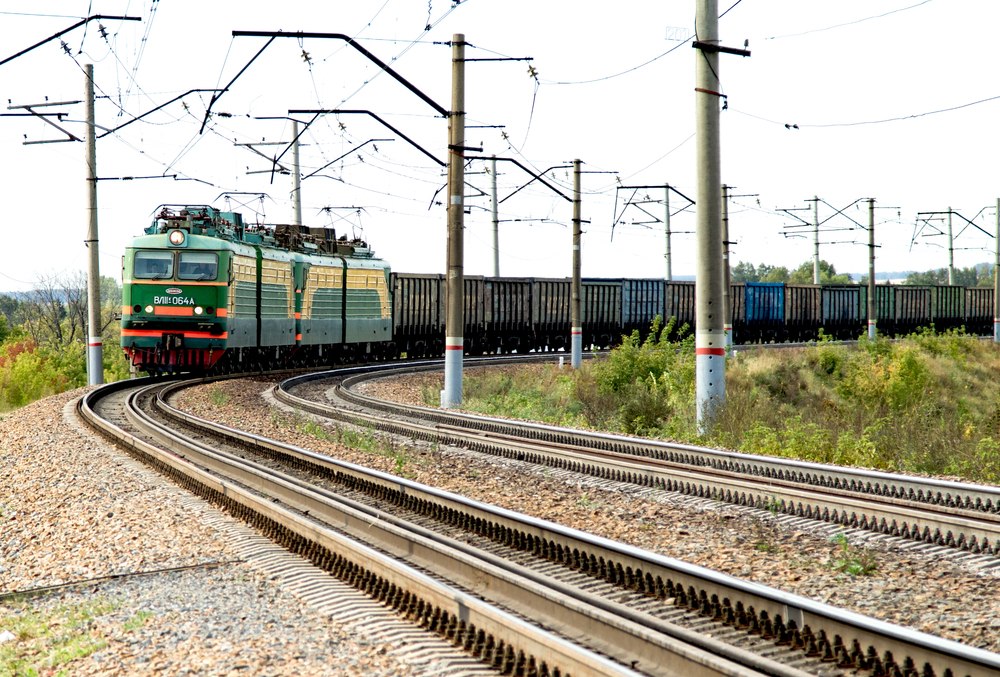

Kazakhstan, Uzbekistan, and UAE Study CASA Rail Route to Indian Ocean

Kazakhstan, Uzbekistan, and the United Arab Emirates have agreed to study a proposed railway corridor through Afghanistan to Pakistan’s seaports. The transport ministries of Kazakhstan and Uzbekistan and the UAE Ministry of Energy and Infrastructure signed a memorandum on the Central Asia-South Asia (CASA) project on September 30. They agreed to study its technical and economic feasibility and examine possible financing. The memorandum leaves the route and construction timetable open and provides no cost estimate. Kazakhstan and Uzbekistan are both landlocked, and Uzbekistan is one of only two countries worldwide that must cross at least two national borders to reach the open sea. Kazakh authorities estimate that CASA could eventually carry up to 10 million tons of freight a year toward Karachi and Gwadar. Uzbekistan is working with Afghanistan and Pakistan on a railway from Termez through central Afghanistan to Kharlachi on the Pakistani border. The three countries agreed in July 2025 to prepare a feasibility study. Estimates put the cost at around $7 billion, although some have been higher. Kazakhstan is involved in a separate proposal from Torghundi on the Turkmen border through Herat and Kandahar to Spin Boldak near Pakistan. In April 2025, Kazakhstan and Afghanistan signed a protocol of intent, with the Torghundi-Herat railway and a logistics center in Herat envisaged as an initial stage. A new 43-kilometer section of the Khaf-Herat railway connecting Afghanistan with Iran was inaugurated on September 28. Kazakhstan’s Integra Construction KZ helped build it, and Afghan authorities say work is under way on further links from Herat toward the Turkmen and Pakistani borders. A study by the Moscow-based Institute of World Economy and International Relations (IMEMO) found that Afghanistan’s Taliban-led authorities had signed more than 15 railway-related agreements by March 2026. By then, no new mainline track had entered service under those initiatives, and active projects represented less than 1% of the estimated cost of the announced plans. Dauren Ilesaliev, a professor at Tashkent State Transport University, points to the need for steady freight. “Having railway infrastructure does not guarantee that it will work,” Ilesaliev said. Countries along the route would also need to agree on a through-tariff. Kazakhstan’s trade with Afghanistan could provide some of that freight. Bilateral trade reached $581.1 million in January-July 2026, with Kazakh exports accounting for $572.9 million. Flour accounted for $215.6 million and wheat for $122 million of those exports. Kazakhstan has also explored prospective mineral deposits in Afghanistan’s Nuristan Province and is discussing exports of locally assembled vehicles. In an interview with Novastan, Uzbek analyst Aziza Mukhammedova said a corridor’s value to Afghanistan would depend on the jobs and investment it generates there, alongside transit freight. She also cited unresolved financing as a challenge. The UAE sits outside the proposed route, and the memorandum names neither an Emirati company nor a possible investment amount. If a trans-Afghan line is built, Uzbekistan’s China-Kyrgyzstan-Uzbekistan railway could form part of a rail route from China to Pakistan. For Kazakhstan, CASA would provide an Indian Ocean outlet alongside the...