
• KZT/USD = 0.00220
  • TJS/USD = 0.10820
  • UZS/USD = 0.00009
  • TMT/USD = 0.29760
  • KZT/USD = 0.00220
  • TJS/USD = 0.10820
  • UZS/USD = 0.00009
  • TMT/USD = 0.29760
  • KZT/USD = 0.00220
  • TJS/USD = 0.10820
  • UZS/USD = 0.00009
  • TMT/USD = 0.29760
  • KZT/USD = 0.00220
  • TJS/USD = 0.10820
  • UZS/USD = 0.00009
  • TMT/USD = 0.29760
  • KZT/USD = 0.00220
  • TJS/USD = 0.10820
  • UZS/USD = 0.00009
  • TMT/USD = 0.29760
  • KZT/USD = 0.00220
  • TJS/USD = 0.10820
  • UZS/USD = 0.00009
  • TMT/USD = 0.29760
  • KZT/USD = 0.00220
  • TJS/USD = 0.10820
  • UZS/USD = 0.00009
  • TMT/USD = 0.29760
  • KZT/USD = 0.00220
  • TJS/USD = 0.10820
  • UZS/USD = 0.00009
  • TMT/USD = 0.29760
08 September 2026

Viewing results 1 - 6 of 3

Uzbekistan Performs First Simultaneous Liver-Kidney Transplant

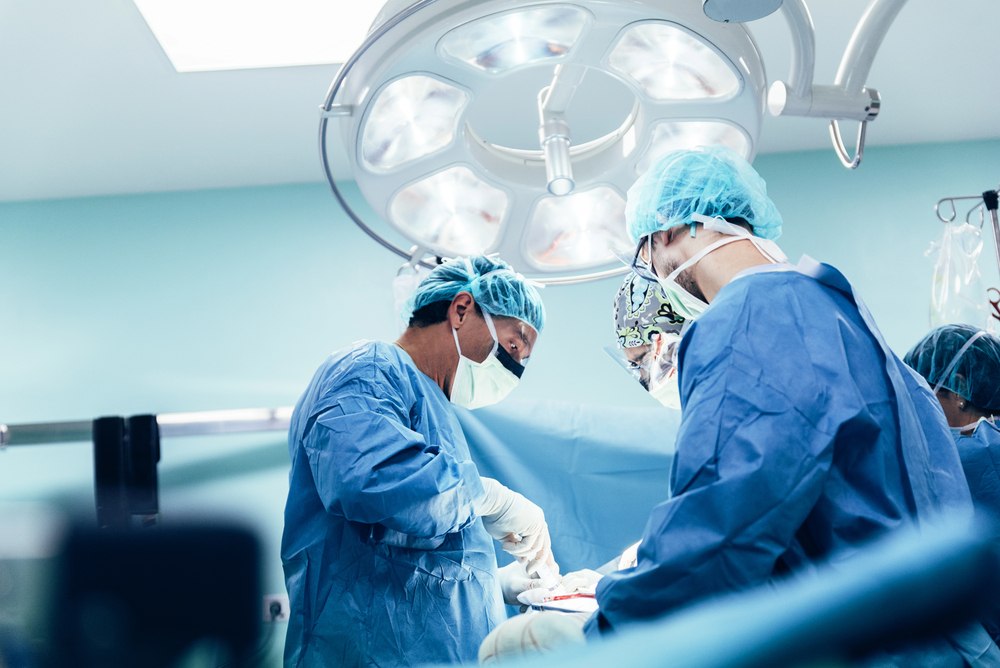
Uzbekistan has performed its first simultaneous liver and kidney transplant on a single patient. The operation was carried out at the National Medical Center, the Zamon news program reported. The procedure marks a further expansion of transplant medicine in Uzbekistan, where hospitals have introduced increasingly complex liver and kidney procedures in recent years. The patient, a woman from Pakhtachi district in Samarkand region, had suffered from liver disease for eight years. After contracting hepatitis C, she developed cirrhosis and later kidney failure. For the past four years, she had regularly undergone hemodialysis, a procedure that filters the blood and partially replaces kidney function. She had previously been advised to seek transplantation abroad, including in India, but the procedure did not go ahead because no suitable donor was found and her family could not cover the cost. Uzbek doctors concluded that transplanting only one of the organs would not be sufficient and decided to perform both procedures during a single operation. Simultaneous liver-kidney transplantation is used in patients with severe disease affecting both organs and is significantly more complex than a single-organ transplant. Doctors must not only perform two transplants during the same operation but also closely monitor the function of both organs afterward. Transplant medicine in Uzbekistan has advanced markedly in recent years. The country now performs both liver and kidney transplants, including procedures that until recently would often have required treatment abroad. In April 2026, doctors at the Republican Specialized Scientific and Practical Medical Center for Nephrology and Kidney Transplantation carried out a kidney transplant between a donor and recipient with incompatible blood groups. Before the operation, antibodies that could cause rejection were removed from the recipient’s blood. Pediatric transplantation is also developing. In December 2025, Uzbekistan performed its first liver transplant on a seven-month-old infant at the National Children’s Medical Center. The child’s mother was the donor. Access to post-transplant treatment has also expanded. Transplant recipients under medical follow-up in Uzbekistan are entitled to free immunosuppressive medicines needed to prevent rejection of the transplanted organ. Regulations also set out procedures for preparing living donors and recipients for surgery, as well as rehabilitation and subsequent medical monitoring. The latest operation adds another highly complex transplant option to those now available domestically. For patients with simultaneous severe liver and kidney disease, treatment abroad is no longer the only option. Hepatitis C, which led to cirrhosis in this patient, can remain without noticeable symptoms for years. Chronic infection can cause cirrhosis and liver cancer. According to the World Health Organization, modern direct-acting antiviral medicines can cure more than 95% of people with hepatitis C.

Uzbekistan Performs First Liver Transplant on Seven-Month-Old Infant

Uzbekistan has successfully performed its first liver transplant on a seven-month-old infant. The operation was carried out at the National Children’s Medical Center, with the child’s mother serving as the donor, a technically demanding procedure rarely performed worldwide. Medical specialists at the center emphasized that liver transplantation in infants under one year of age requires advanced surgical capabilities and extensive pre-operative assessment. Both mother and child underwent comprehensive evaluations prior to the operation. Surgeons transplanted a segment of the mother’s liver into the child, and the procedure was completed without complications. The mother has already been discharged in stable condition. The infant remains under close medical supervision, with doctors describing the child’s condition as stable and satisfactory. Preparations for discharge are currently underway. The Ministry of Health hailed the operation as a milestone for Uzbekistan’s healthcare sector, highlighting the increasing ability of domestic institutions to carry out high-complexity medical procedures. In a related development, the ministry also noted recent advances in orthopedic surgery. In October, during the “Days of Kazakh Medicine in Uzbekistan” event, surgeons from Kazakhstan conducted robotic-assisted joint replacement surgeries in Tashkent. The team, led by orthopedic surgeon Timur Baidalin from Kazakhstan’s Batpenov National Scientific Center, performed one knee and one hip replacement using the MAKO robotic system. The technology enables precise surgical planning and reduces the risk of complications.

Kyrgyzstan Weighs Organ Transplants for Foreign Patients

Kyrgyzstan is considering allowing kidney transplants for foreign citizens as part of its efforts to expand medical tourism, Health Minister Erkin Checheybayev announced. Rising Transplant Numbers According to the Ministry of Health, kidney transplants in Kyrgyzstan are on the rise. In 2024, the number of such procedures increased by 36.4% compared to the previous year. “Kidney transplantation is a life-saving operation for patients on dialysis. Developing this field is crucial, as organ transplants ease the burden on the healthcare system and significantly improve patients’ quality of life. We are working on a regulatory framework to ensure sustainable financing and fair compensation for medical professionals,” Checheybayev stated. The ministry is exploring the possibility of offering organ transplants to foreign patients, which could provide additional funding for medical institutions specializing in high-tech surgeries. Challenges Remain Despite these ambitions, Checheybayev previously told parliament that Kyrgyz hospitals are not yet fully equipped to handle organ transplants on a large scale. "Facilities at two medical institutions are being prepared, but the necessary infrastructure is not yet in place. Preoperative and postoperative care must be improved, and cadaveric organ donation must be legalized before we can move forward,” the minister explained.
