President Japarov Pursues U.S. Partnerships in Utah and New York
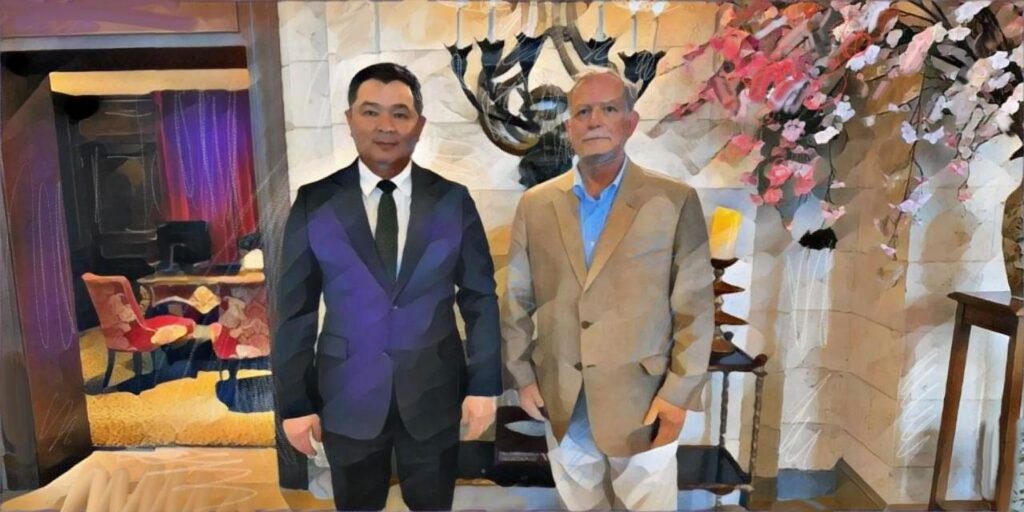
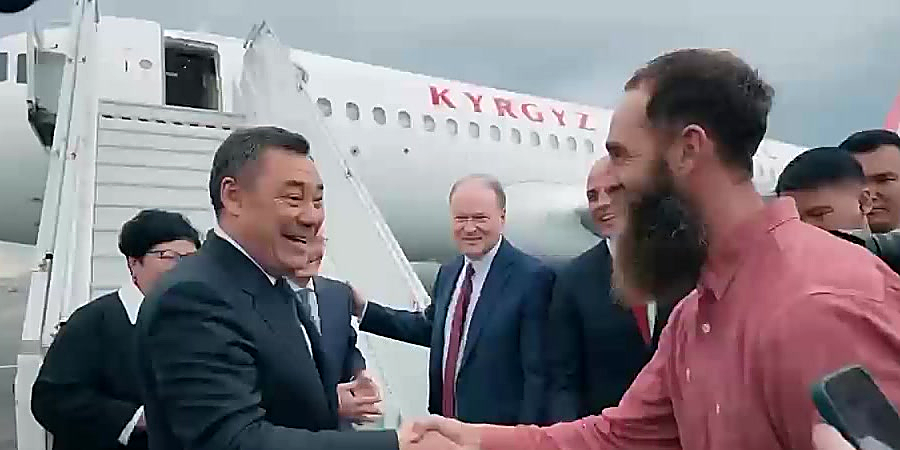
Kyrgyz President Sadyr Japarov attended the opening of the United Nations General Assembly’s general debate in New York on Tuesday. His program in the city began with business meetings on Monday, following an earlier stop in Utah. Japarov was welcomed at UN headquarters by Secretary-General António Guterres and was scheduled to address delegates on the opening day. On Monday, Japarov met executives from Wabtec, an American locomotive manufacturer. During the meeting, a contract was signed for the purchase of 10 freight locomotives for Kyrgyzstan’s state railway company. Delivery is expected by the end of 2027. Japarov said the purchase would modernize about 30% of the company’s fleet and instructed officials to examine its full renewal within five years. He said additional locomotive capacity would be needed once the China-Kyrgyzstan-Uzbekistan railway is completed. Later that day, Japarov visited StoneX Group for talks on precious-metals trading and international settlements. StoneX and Eldik Bank signed a memorandum. Japarov also met Citibank Managing Director Stephanie von Friedeburg. Their talks covered correspondent banking and access to international financial infrastructure. Citibank signed separate memoranda with the Finance Ministry and the two state lenders, Eldik Bank and ABank. The possibility of opening a branch in Kyrgyzstan was also discussed. Japarov began his visit to the United States in Utah, arriving in Salt Lake City on September 18. The following day, he met Governor Spencer Cox and toured the Utah State Capitol with state Senate President Stuart Adams. Adams had invited him during an April trade mission to Kyrgyzstan. The Utah program drew on the mountain geography shared by the two places. At Utah Olympic Park, Japarov examined venues from the 2002 Winter Olympics and preparations for Salt Lake City’s 2034 Games. He later visited Deer Valley to study its investment and year-round resort model, which Kyrgyz officials are considering for the Ala-Too Resort project. The Utah stop also brought Japarov together with Ladd Howell, captain of the U.S. kok-boru team at this month’s World Nomad Games in Kyrgyzstan. Howell was among those who welcomed him on the tarmac in Salt Lake City. During the visit, he presented Japarov with his Team USA jersey and cowboy hat. Japarov grinned and gave a thumbs-up as Howell settled the hat on his head, a warm exchange after a tournament in which the American captain had scored six of his team’s seven points in a 16-7 defeat to Kyrgyzstan.