
• KGS/USD = 0.01144 0%
  • KZT/USD = 0.00204 0%
  • TJS/USD = 0.10394 -0.38%
  • UZS/USD = 0.00008 0%
  • TMT/USD = 0.28571 0%
  • KGS/USD = 0.01144 0%
  • KZT/USD = 0.00204 0%
  • TJS/USD = 0.10394 -0.38%
  • UZS/USD = 0.00008 0%
  • TMT/USD = 0.28571 0%
  • KGS/USD = 0.01144 0%
  • KZT/USD = 0.00204 0%
  • TJS/USD = 0.10394 -0.38%
  • UZS/USD = 0.00008 0%
  • TMT/USD = 0.28571 0%
  • KGS/USD = 0.01144 0%
  • KZT/USD = 0.00204 0%
  • TJS/USD = 0.10394 -0.38%
  • UZS/USD = 0.00008 0%
  • TMT/USD = 0.28571 0%
  • KGS/USD = 0.01144 0%
  • KZT/USD = 0.00204 0%
  • TJS/USD = 0.10394 -0.38%
  • UZS/USD = 0.00008 0%
  • TMT/USD = 0.28571 0%
  • KGS/USD = 0.01144 0%
  • KZT/USD = 0.00204 0%
  • TJS/USD = 0.10394 -0.38%
  • UZS/USD = 0.00008 0%
  • TMT/USD = 0.28571 0%
  • KGS/USD = 0.01144 0%
  • KZT/USD = 0.00204 0%
  • TJS/USD = 0.10394 -0.38%
  • UZS/USD = 0.00008 0%
  • TMT/USD = 0.28571 0%
  • KGS/USD = 0.01144 0%
  • KZT/USD = 0.00204 0%
  • TJS/USD = 0.10394 -0.38%
  • UZS/USD = 0.00008 0%
  • TMT/USD = 0.28571 0%

Viewing results 1 - 6 of 6

Turkmenistan Marks 30 Years of Neutrality

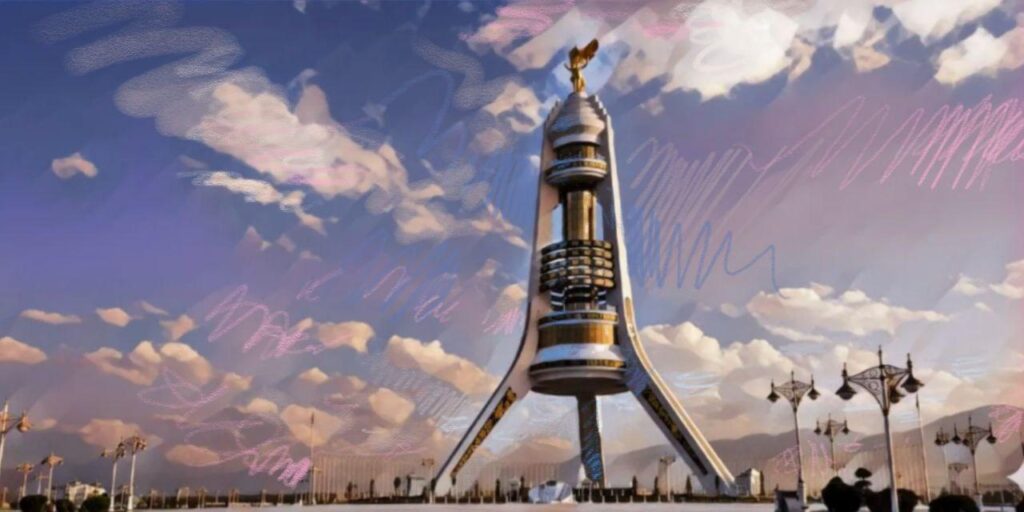
On December 12, 2025, Turkmenistan marks the 30th anniversary of a UN decision granting Turkmenistan the status of a neutral country. Defining what “permanent neutrality” means for Turkmenistan is impossible, as it is a flexible term used to justify a range of policies, both domestic and foreign. This vague special status has not provided many benefits, but has helped Turkmenistan’s leadership isolate the country and create one of the most bizarre and repressive forms of government in the world today.   Last Item on the Day’s Agenda On Tuesday, December 12, 1995, the UN General Assembly’s (UNGA) 90th plenary meeting reconvened at 15:20 to consider items 57 to 81 on its agenda. Item 81 was the draft resolution on “permanent neutrality of Turkmenistan.” The UNGA president at that time, Freitas do Amaral, noted to the Assembly that the draft resolution “was adopted by the First Committee without a vote,” and asked if the Assembly wished “to do likewise.” The Assembly did, and after a few brief remarks about the next Assembly meeting on December 14, the session ended at 18:05. That is how the UN officially granted Turkmenistan the status of neutrality. A Great Event The passing of the resolution on Turkmenistan’s neutrality status might have been a case of going through the motions at the UN, but it was a huge event in Turkmenistan. Turkmenistan’s first president, Saparmurat Niyazov, had been campaigning internationally for his country to have “positive” neutrality status since 1992. After this was accomplished, Niyazov often proclaimed this special UN recognition as a great achievement for the country and for himself personally. [caption id="attachment_40725" align="aligncenter" width="2560"] Ashgabat’s Independence Square, previously known as Neutrality Square and originally as Karl Marx Square; image: TCA, Stephen M. Bland[/caption] December 12 was quickly announced as a national holiday. On the first anniversary of the UN decision in 1996, the former Karl Marx Square in Ashgabat was renamed “Neutrality Square.” Shortly after, an olive branch motif was added to Turkmenistan’s national flag, symbolizing the country’s neutral status. In 1998, on the third anniversary of UN-recognized neutrality, the 75-meter-high Arch of Neutrality was unveiled in Ashgabat. A 12-meter gold statue of Niyazov that rotated to face the direction of the sun crowned the structure. Niyazov died in December 2006, and in 2010, the Arch of Neutrality was moved from the city center to the outskirts of the Turkmen capital and unveiled again on December 12, 2011. It has been undergoing renovation and will be unveiled yet again on the 30th anniversary of neutrality. [caption id="attachment_40726" align="aligncenter" width="2099"] Former-President Niyazov's likeness atop the Arch of Neutrality; image: TCA, Stephen M. Bland[/caption] In 2002, Niyazov pushed through a law changing the names of the months of the year and days of the week. December became “Bitaraplyk,” the Turkmen word for neutrality, and continued to officially be called that until 2008, when Niyazov’s successor finally revoked the changes and restored the traditional names. That successor, Gurbanguly Berdimuhamedov, embraced the special permanent neutrality status and, in...

Opinion: After the UN Gaza Resolution – Kazakhstan’s Potential Role

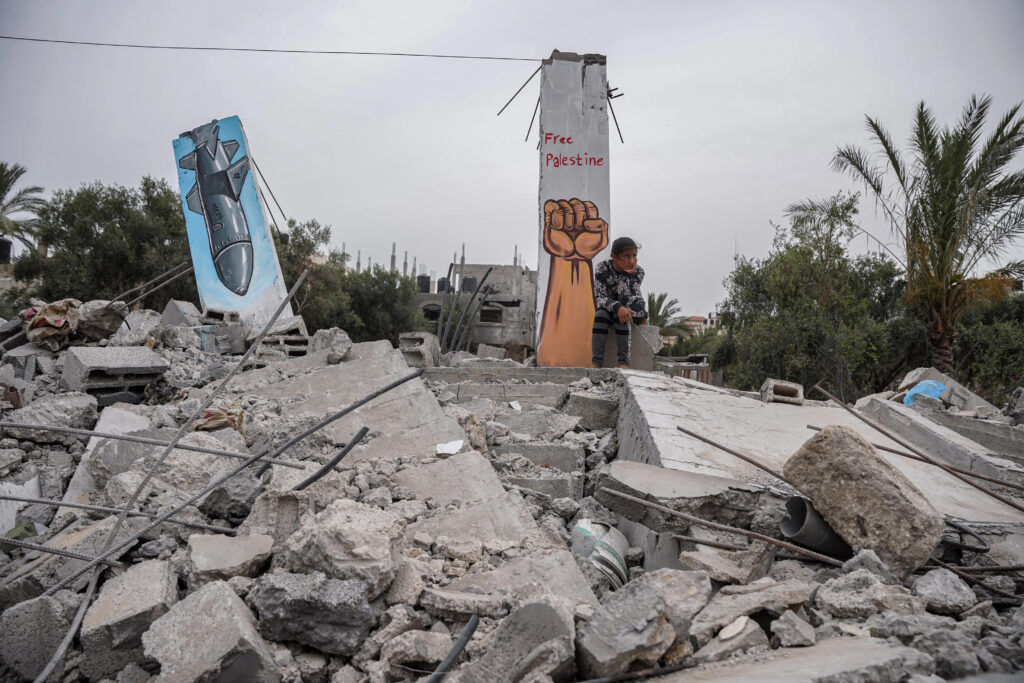
The implementation of any new approaches aimed at a rapid, peaceful resolution of the Middle East conflict, including the latest UN Security Council resolution, which authorizes the deployment of International Stabilization Forces (ISF), shows that the international community is once again reaching the limits of tools that rely solely on security measures, temporary control, and external administration. Even the most carefully calibrated political or administrative frameworks cannot produce sustainable results unless the ideological nature of the conflict, including its spiritual, historical, and value-based foundations, is changed. It is increasingly clear today that peace in the Holy Land requires not only diplomatic and humanitarian efforts, but also a deep dialogue between the religious and civilizational traditions of the region. In this context, the experience of Kazakhstan, which initiated the creation of a unique collective mechanism for religious reconciliation, deserves particular attention. After lengthy discussions, the UN Security Council approved the U.S.-proposed resolution to form an international stabilization force in Gaza. That means authorizing external actors - for the first time through a UN-mandated transitional authority - to participate in Gaza’s administrative and security arrangements. Thirteen countries supported the resolution, with only Russia and China abstaining. This step creates a new legal reality: the international community now holds a formal mandate to support Gaza’s security, humanitarian access, and reconstruction. Yet the resolution raises another question: will this become the foundation for lasting peace, or merely another temporary structure that keeps the situation under control without changing its essence? The U.S.-Israeli planning model - widely discussed in reporting - proposing dividing Gaza into "green" and "red" zones, reflects an approach in which security replaces reconciliation. Historical cases, such as Bosnia and Lebanon, suggest to many analysts that such strategies rarely lead to sustainable stability. Territorial divisions, from Bosnia to Lebanon, tend to freeze conflicts rather than resolve them. The Palestinian enclave risks becoming an example of a “permanent transitional zone,” where military stability exists without political resolution or trust. In the future, a divided Gaza could face humanitarian collapse, intensified radicalization, and deep fractures in how the Islamic world perceives the West, especially if European troops are deployed. All this underscores a key point: without addressing the ideological and religious dimensions of the conflict - as many experts argue - territorial schemes remain temporary. The conflict in the Holy Land cannot be resolved solely with demarcation maps and international mandates. Breaking the deadlock requires more than another control mechanism; it requires a new architecture of reconciliation. And it must engage the roots of the conflict, including religious thinking, historical grievances, and cultural trauma, rather than its surface-level manifestations. Kazakhstan can play a unique role here. It is not just a new participant in the Abraham Accords, but a country with remarkable political, diplomatic, and spiritual legitimacy. It enjoys the trust of the Islamic world, maintains stable relations with Israel, is perceived by the West as a neutral partner, and has a successful record of coordinating great-power and regional actor efforts, such as the Astana process on...