
• KGS/USD = 0.01143 0%
  • KZT/USD = 0.00202 0%
  • TJS/USD = 0.10433 0%
  • UZS/USD = 0.00008 0%
  • TMT/USD = 0.28575 0%
  • KGS/USD = 0.01143 0%
  • KZT/USD = 0.00202 0%
  • TJS/USD = 0.10433 0%
  • UZS/USD = 0.00008 0%
  • TMT/USD = 0.28575 0%
  • KGS/USD = 0.01143 0%
  • KZT/USD = 0.00202 0%
  • TJS/USD = 0.10433 0%
  • UZS/USD = 0.00008 0%
  • TMT/USD = 0.28575 0%
  • KGS/USD = 0.01143 0%
  • KZT/USD = 0.00202 0%
  • TJS/USD = 0.10433 0%
  • UZS/USD = 0.00008 0%
  • TMT/USD = 0.28575 0%
  • KGS/USD = 0.01143 0%
  • KZT/USD = 0.00202 0%
  • TJS/USD = 0.10433 0%
  • UZS/USD = 0.00008 0%
  • TMT/USD = 0.28575 0%
  • KGS/USD = 0.01143 0%
  • KZT/USD = 0.00202 0%
  • TJS/USD = 0.10433 0%
  • UZS/USD = 0.00008 0%
  • TMT/USD = 0.28575 0%
  • KGS/USD = 0.01143 0%
  • KZT/USD = 0.00202 0%
  • TJS/USD = 0.10433 0%
  • UZS/USD = 0.00008 0%
  • TMT/USD = 0.28575 0%
  • KGS/USD = 0.01143 0%
  • KZT/USD = 0.00202 0%
  • TJS/USD = 0.10433 0%
  • UZS/USD = 0.00008 0%
  • TMT/USD = 0.28575 0%

Viewing results 1 - 6 of 6

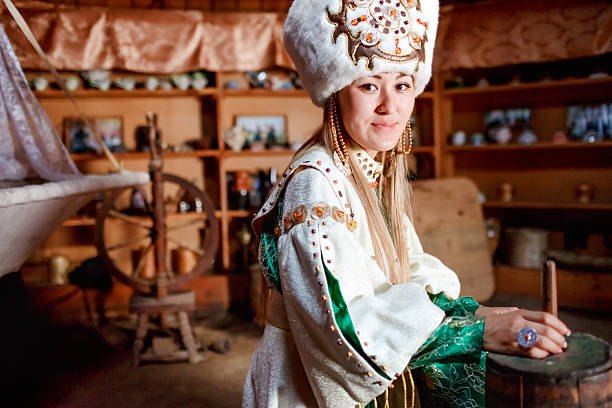
New Report Highlights Persistent Gender Equality Gaps in Kyrgyzstan

Kyrgyzstan has released its Country Gender Equality Profile (CGEP), a comprehensive, evidence-based assessment prepared by the Ministry of Labor, Social Welfare, and Migration in collaboration with UN Women and with support from the European Union. The report, presented during a National Dialogue on Promoting Gender Equality Policy, examines structural barriers to gender equality through government statistics, legislative analysis, and stakeholder consultations.  Speaking at the event, Deputy Prime Minister Edil Baisalov highlighted the strategic importance of the CGEP, noting that women remain underrepresented in public administration. He called for systemic and practical solutions to ensure women's full participation in both elected and appointed leadership positions. While Kyrgyzstan’s National Gender Equality Strategy through 2030 outlines women’s economic empowerment, cultural transformation, prevention of gender-based violence, and gender parity in decision-making as core priorities, the CGEP finds that implementation remains constrained by deep-rooted challenges. The report notes that gender quotas have proven effective in elected bodies, with women now holding 39% of seats in local councils. However, the absence of similar mechanisms in appointed positions has led to ongoing exclusion. Women currently hold only 5% of cabinet posts, occupy none of the positions of Presidential Representatives or district heads, and account for just 3.5% of leadership roles in rural administration. Media representation further skews public perception, with male politicians receiving seven times more coverage than their female counterparts.  The CGEP also highlights growing economic and social disparities. Women's employment rate declined from 49.3% to 43.8% over the past 15 years, driven by traditional gender norms and rising religious conservatism. The majority of employed women (77%) work in lower-paid sectors such as education and healthcare or in informal roles, contributing to a 25% gender pay gap. On average, women spend 4 hours and 20 minutes per day on unpaid household labor, compared to just 55 minutes for men. Access to property and finance remains limited. Women own only 29% of registered real estate, restricting their ability to secure credit and scale businesses. They make up just 27% of entrepreneurs and hold only 1.2% of leadership roles in Water User Associations. Digital inequality is another critical barrier. In 2023, just 45% of rural women had internet access, compared to 65% of men. Women’s representation in the information and communications technology (ICT) sector dropped from 40.8% in 2020 to 31.9% in 2022, and they hold only 15% of leadership roles in the tech industry. Meanwhile, women account for just 33.9% of students enrolled in computing-related degree programs. According to the National Statistical Committee, as of January 1, 2025, Kyrgyzstan’s population stood at 7.28 million, 3.68 million women and 3.60 million men.  The findings underscore that despite a robust policy framework, Kyrgyzstan continues to face entrenched structural and cultural barriers that limit women’s full participation in political, economic, and digital spheres.

UN Women and ACWA Power Partner to Advance Gender Equality in Uzbekistan

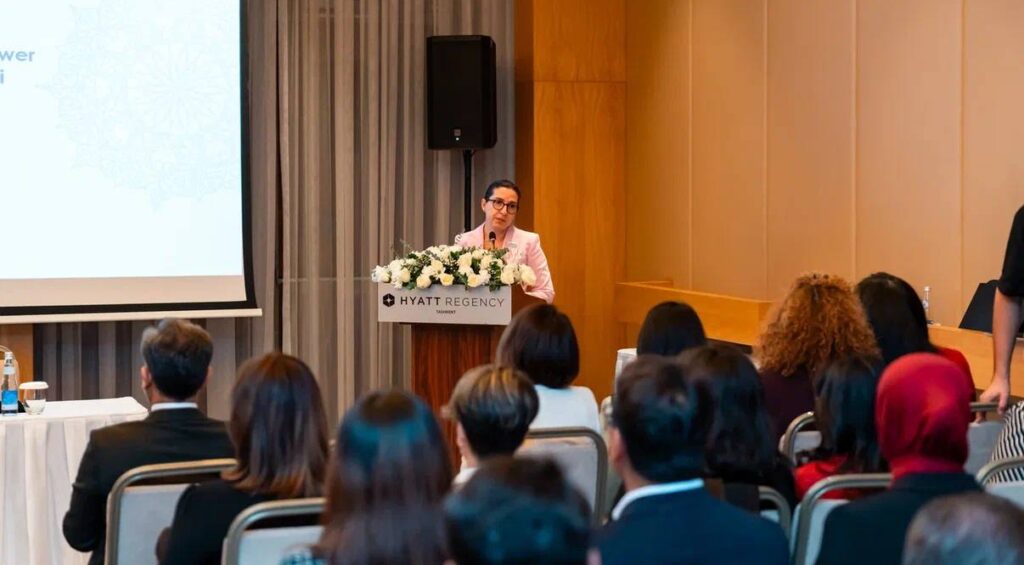
UN Women and ACWA Power Uzbekistan have signed a landmark agreement to promote women’s empowerment, marking the first-ever collaboration between a United Nations agency and a private company in Uzbekistan. As part of the 12-month partnership, ACWA Power will contribute $50,000 to support initiatives under UN Women’s Economic Empowerment (WEE) programme. The project seeks to strengthen women’s participation in education and the labor market through gender equality training, leadership development, and the launch of a pilot Gender Equality Curriculum at Shirin College. It also includes capacity-building in gender-based violence prevention and the organization of a national Women’s Empowerment Forum. [caption id="attachment_38684" align="aligncenter" width="1206"] Image: ACWA Power[/caption] UN Women, which officially began operations in Uzbekistan in May 2025, will provide technical expertise and training to support national gender equality goals. ACWA Power, Uzbekistan’s largest investor in renewable energy, will oversee project implementation and funding. The partnership aligns with Uzbekistan’s ongoing national reform agenda, particularly the Strategy for Achieving Gender Equality 2030 and the National Programme for Increasing the Activity of Women in Economic, Political, and Social Life (2022-2026). These initiatives aim to create equal opportunities and broaden women's participation in education, public service, and the economy. [caption id="attachment_38685" align="aligncenter" width="1206"] Image: ACWA Power[/caption] “Partnering with UN Women allows us to advance concrete initiatives that promote safer workplaces, fairer opportunities, and stronger representation of women in Uzbekistan,” said Dr. Jon Zaidi, Country General Manager of ACWA Power Uzbekistan. “By investing in training, curricula, and leadership development, we aim to help embed practices that benefit institutions, companies, and communities alike.” “This partnership demonstrates how private sector engagement can accelerate progress on gender equality,” added Ceren Guven Gures, Head of the UN Women Central Asia Liaison Office and Representative of the UN Women Kazakhstan Country Office. “With ACWA Power’s support, we will expand opportunities for women and strengthen protections in education and the workplace.”