• KGS/USD = 0.01143 0%
  • KZT/USD = 0.00205 0%
  • TJS/USD = 0.10433 0.1%
  • UZS/USD = 0.00008 0%
  • TMT/USD = 0.28577 0%
  • KGS/USD = 0.01143 0%
  • KZT/USD = 0.00205 0%
  • TJS/USD = 0.10433 0.1%
  • UZS/USD = 0.00008 0%
  • TMT/USD = 0.28577 0%
  • KGS/USD = 0.01143 0%
  • KZT/USD = 0.00205 0%
  • TJS/USD = 0.10433 0.1%
  • UZS/USD = 0.00008 0%
  • TMT/USD = 0.28577 0%
  • KGS/USD = 0.01143 0%
  • KZT/USD = 0.00205 0%
  • TJS/USD = 0.10433 0.1%
  • UZS/USD = 0.00008 0%
  • TMT/USD = 0.28577 0%
  • KGS/USD = 0.01143 0%
  • KZT/USD = 0.00205 0%
  • TJS/USD = 0.10433 0.1%
  • UZS/USD = 0.00008 0%
  • TMT/USD = 0.28577 0%
  • KGS/USD = 0.01143 0%
  • KZT/USD = 0.00205 0%
  • TJS/USD = 0.10433 0.1%
  • UZS/USD = 0.00008 0%
  • TMT/USD = 0.28577 0%
  • KGS/USD = 0.01143 0%
  • KZT/USD = 0.00205 0%
  • TJS/USD = 0.10433 0.1%
  • UZS/USD = 0.00008 0%
  • TMT/USD = 0.28577 0%
  • KGS/USD = 0.01143 0%
  • KZT/USD = 0.00205 0%
  • TJS/USD = 0.10433 0.1%
  • UZS/USD = 0.00008 0%
  • TMT/USD = 0.28577 0%

Viewing results 1 - 6 of 42

U.S. Deports Over 100 Central Asian Migrants on Uzbek Charter Flight

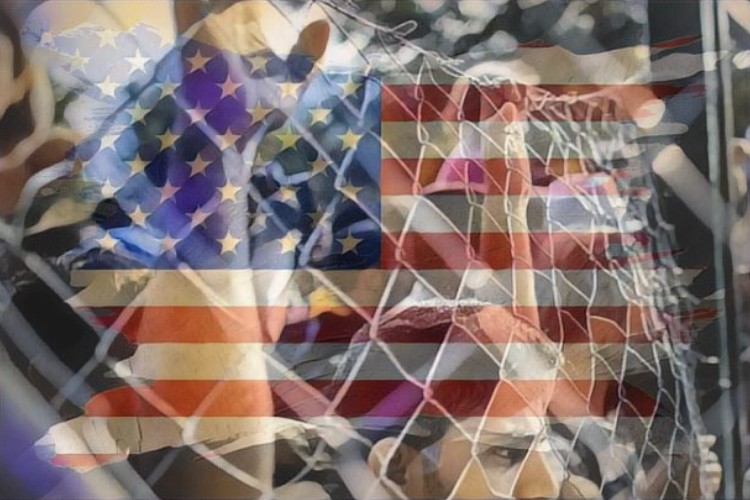
More than 100 people from Uzbekistan, Kazakhstan, and Kyrgyzstan who were illegally in the United States have been deported on a charter flight organized by the Uzbek government, the U.S. Embassy in Tashkent said on Thursday. The operation, which happened on Wednesday, was “the first in which a U.S. partner proactively provided a dedicated flight to repatriate its citizens” and underscores collaboration on issues such as counterterrorism and law enforcement, according to the embassy. “By organizing and funding the removal of its citizens present illegally in the United States and allowing the removal of nationals from other countries on Uzbek flights, Uzbekistan demonstrated its role as a trusted and proactive partner in the realm of international security,” it said. The embassy statement did not provide details on the people who were deported. U.S. President Donald Trump had campaigned on the promise of the mass deportation of migrants that he said were in the country without permission, and Immigration and Customs Enforcement has carried out deportations in line with that pledge since he took office for a second term in January. The speed and severity of the crackdown have alarmed advocates who have argued in court that the U.S. administration is denying due process to some migrants. U.S. relations with some of its traditional allies, including Canada and European countries, have frayed since Trump took office. But Uzbekistan and several other Central Asian countries appear to have maintained a relatively harmonious dialogue with the Trump administration while also collaborating with regional powers Russia and China. On April 9, U.S. Secretary of State Marco Rubio and Uzbek Foreign Minister Bakhtiyor Saidov met in Washington to discuss investment, critical minerals and security matters. Rubio “thanked Uzbekistan for their efforts to facilitate the return of their deportees from the United States,” the U.S. State Department said. U.S. plans for mass deportations have been a source of concern for Central Asian communities in the United States. This month, Kazakhstan urged any of its citizens who are subject to a U.S. deportation order but remain in the United States to voluntarily return home by using a U.S. Department of Homeland Security mobile app. The Kazakh Embassy in Washington urged those nationals to do so in order “to prevent possible negative consequences” such as fines, a ban on re-entry to the United States and other penalties. In January, Kyrgyzstan warned its citizens to follow U.S. immigration law and always carry relevant documents with them.

Exposing the Cracks: Asem Tokayeva on the Decline of RFE/RL and Central Asia’s Media Future

Speaking to The Times of Central Asia, Asem Tokayeva, a seasoned journalist with years of experience at Radio Azattyq - Radio Free Europe/Radio Liberty, offers a compelling critique of RFE/RL's challenges, from internal corruption allegations to its declining relevance in Central Asia's evolving media landscape. Tokayeva started her career with Express K and other publications in Astana before joining Radio Azattyq as a freelancer in 2004 and contributing to the groundbreaking Russian-language program, Паровоз ("locomotive"). In 2008, she played a pivotal role in launching Radio Azattyq’s Russian-language website, a platform recognized for tackling sensitive issues and fostering free discussion. Her work contributed to the site's recognition by the Online News Association in 2009 for "Protecting Citizens' Rights to Information." After nearly 14 years at Azattyq, including over seven at its Prague office, Tokayeva left in late 2017 to further her academic pursuits, earning a Master's degree from Charles University in Prague, where her dissertation focused on Media Framing: Transformation of Nursultan Nazarbayev's Image in the U.S. Media. TCA: How do you feel about the funding cuts to the U.S. Agency for Global Media (USAGM), which oversees projects like RFE/RL and Voice of America? I have always advocated for the reform of Radio Free Europe/Radio Liberty, and now the new U.S. administration has simply cut its funding in one fell swoop. However, I don't see this as just Trump's whim. The work of this media outlet had long been criticized in Washington, and not only during his tenure. During Barack Obama’s and Joe Biden’s presidencies, American media published investigations into abuses, including the infiltration of pro-Kremlin agents, within international broadcasting corporations funded through USAGM. When Hillary Clinton was Secretary of State, she called the entire U.S. international broadcasting structure, which includes Radio Azattyq, "practically defunct." Even during Bill Clinton’s presidency, there were serious discussions in Washington about shutting down these radio stations, as they were considered outdated following the collapse of the USSR and the end of the Cold War. By the 1990s, it was already difficult to claim that Radio Liberty was the sole source of alternative information. During the August 1991 coup in Moscow, other radio stations provided more timely and comprehensive field reports. For instance, Echo of Moscow became one of the most listened-to stations at the time. Today's media landscape has different challenges, such as media literacy and combating fake news, rather than a shortage of news organizations. While the mission and goals of Radio Liberty have renewed significance, given the persistence of authoritarianism in many former Soviet countries, the U.S. administration no longer sees value in its international broadcasting system. They simply decided to shut down another bloated bureaucratic structure, one that had also been plagued by corruption. For example, its parent agency had been overpaying exorbitant amounts for office space in downtown Washington D.C. for 15 years. Radio Azattyq destroyed its uniqueness when it completely shut down shortwave broadcasting in 2012 at the insistence of its then-editor, Yedige Magauin. Yet, in 2011, during the protests...

Congressman Trent Kelly and Ambassador Furkat Sidikov Drive U.S.-Uzbekistan Trade and Investment Progress

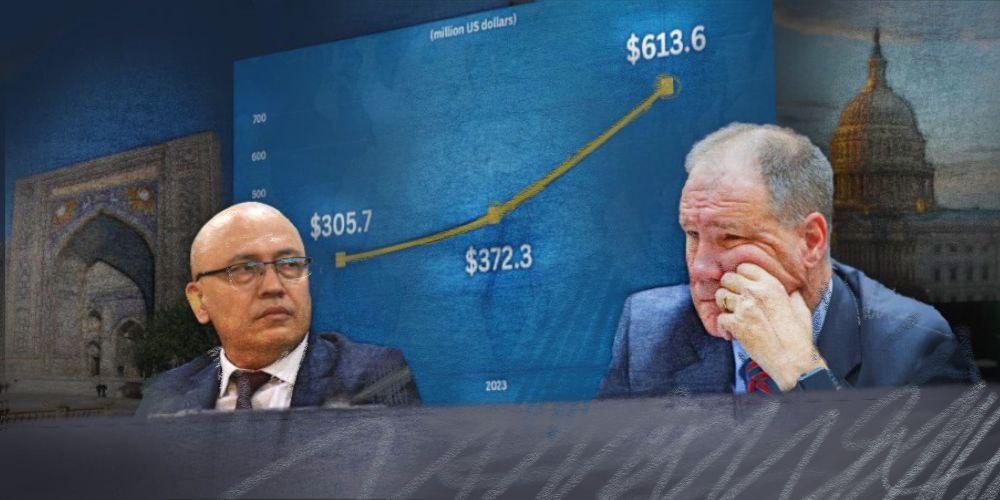
On March 26, 2025, Ambassador Furkat Sidikov hosted a Congressional Breakfast featuring Congressman Trent Kelly (R, Mississippi), Co-Chair and founding member of the U.S.-Uzbekistan Caucus. The event focused on the theme of trade, investment, and U.S.-Uzbekistan relations. Business leaders and policy experts also joined to discuss the evolving economic landscape and the future of U.S.-Uzbekistan relations. Ambassador Sidikov highlighted the presence of over 300 American companies in Uzbekistan and expressed optimism about bilateral trade soon surpassing $1 billion annually. The Ambassador emphasized the strengthening of multifaceted partnership with the U.S. over economic and security partnerships, alongside ongoing reforms in democracy and human rights. Congressman Kelly praised the strong partnership between the United States and Uzbekistan, highlighting the country’s reforms and its openness to U.S. business and trade. He expressed deep admiration for the Uzbek people and their government, emphasizing the growing ties fostered through the State Partnership Program with Mississippi. Congressman Kelly voiced strong support for removing the Jackson-Vanik Amendment (a Cold War-era provision that restricts trade with certain countries), stating that the time was right for such action. He noted ongoing collaboration with congressional and senatorial colleagues to advance this effort. Referring to Uzbekistan Day on the Hill as a growing tradition, he encouraged stronger connections between the two nations, underscoring Uzbekistan's vibrant culture, abundant resources, and welcoming spirit. [caption id="attachment_30169" align="aligncenter" width="1280"] Ambassador Furkat Sidikov, Congressman Trent Kelly (R, Mississippi), and Congresswoman Carol Miller (R, West Virginia) display the Uzbekistan Normalized Trade Act, H.R. 2329[/caption] The Uzbekistan Caucus was established in 2018 to strengthen bilateral relations between the United States and Uzbekistan by encouraging dialogue on issues such as trade, security, governance, and cultural exchange. While bilateral caucuses are often seen as ceremonial with limited tangible outcomes, the Uzbekistan Caucus has proven to be an exception by driving meaningful progress in U.S.-Uzbekistan relations. This success reflects the contributions of both officials. Ambassador Sidikov has served as Uzbekistan's ambassador to the United States since 2023, playing a key role in strengthening bilateral ties. During his tenure, he facilitated the signing of the Customs Mutual Assistance Agreement (CMAA), streamlining trade and enhancing border security, and supported Uzbekistan’s reforms to align with World Trade Organization (WTO) standards, fostering a more open and competitive economic environment. These efforts have not only expanded market access, such as enabling U.S. meat and poultry exports to Uzbekistan, but also fostered deeper economic and strategic ties between the two nations. Congressman Kelly's 36 years of military service, including his role as a brigadier general, two Bronze Star Medals, and deployments to Iraq, have been instrumental in advancing collaboration with Uzbekistan through the State Partnership Program. His efforts have supported joint training, disaster preparedness, and modernization initiatives, providing valuable U.S. expertise and strengthening defense ties between the two nations. Uzbekistan ranks 58th in the Global Firepower Index, which ranks countries by military strength.

Opinion: What the Loss of RFE/RL Would Mean for Central Asia

The decision to terminate the federal grant agreement funding for Radio Free Europe/Radio Liberty (RFE/RL) is a crushing blow for hundreds of millions of people. These people know their governments are not telling them the full truth about what is happening in their countries or in the world outside. The objective information provided by RFE/RL has been important to people such as these. Perhaps as important, since the end of the Cold War, was the platform RFE/RL provides, whenever possible, for people in these countries to explain their views to the outside world. I know, because I worked at RFE/RL for 25 years covering Central Asia. RFE/RL was founded in 1950, and I didn’t show up there until 1997. I can only speak about what I saw and heard when I was an RFE/RL employee. My understanding of my tasks as an RFE/RL employee was that we were supposed to keep close track of what was happening in Central Asia, cover as many of the important topics of the region as possible, and make objective and accurate information on these topics available to the people in Central Asia. During Tajikistan’s 1992-1997 civil war, for example, RFE/RL’s Tajik service, Radio Ozodi, was the most trusted source of information for the people of Tajikistan. During the Coronavirus pandemic, the Turkmen government would not even allow the word COVID to be spoken and denied there were any cases of the virus in the country, leaving RFE/RL’s Turkmen service, Azatlyk, as one of the only sources of information for Turkmenistan’s people about the illness. I lived in Central Asia before joining RFE/RL, so I had some idea of what was important to people there. Calling for respect for fundamental rights is a big part of RFE/RL’s work. Read the constitutions of any Central Asian country and you will see enshrined there the right to freedom of speech, freedom of assembly, the right to freely receive or disseminate information, and much more. In practice, these rights are not always observed in Central Asia. In such a situations RFE/RL’s Central Asian services are a voice for those who, with good reason, are afraid to speak out publicly, or more importantly, for those who did speak out and are punished for that. At RFE/RL we looked for “impact stories,” testimony from people of the region about unfulfilled government promises, abuses, or state mismanagement that were hurting communities and individuals. Central Asian government officials are among the most faithful RFE/RL listeners, and often RFE/RL reports that raised social issues led officials to rectify the situation. Ramshackle buildings or schools were suddenly repaired, electricity or running water became accessible to city districts and rural areas, sufficient food became available to communities. The pleas of average citizens too often fell on deaf ears in government halls, but the criticism of an international organization such as RFE/RL, which was broadcasting to the entire country and Central Asian region, was too embarrassing for officials to ignore. This made RFE/RL unpopular with Central...

Czech Republic Seeks EU Lifeline for RFE/RL

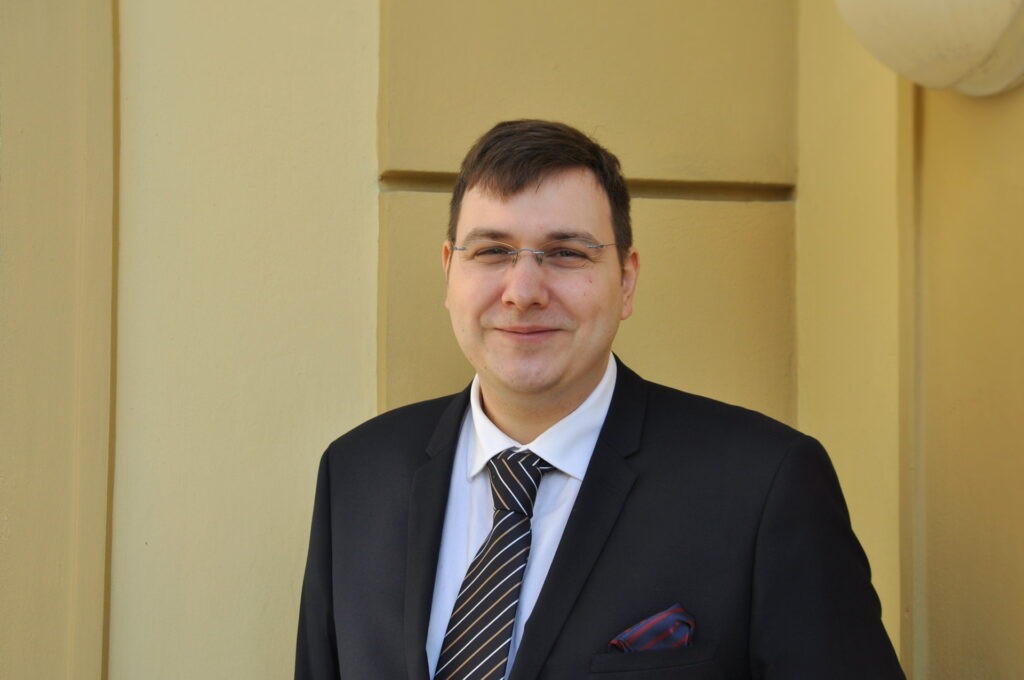
Czech Foreign Minister Jan Lipavský has announced plans to urge EU foreign ministers in Brussels to consider supporting Radio Free Europe/Radio Liberty (RFE/RL) following the termination of its U.S. funding. "We have to start with the political readiness to do something, so I will ask for that today," Lipavsky said before a meeting of EU foreign ministers. On Friday, U.S. President Donald Trump signed an executive order cutting funding for the U.S. Agency for Global Media, which oversees Voice of America and RFE/RL. The move ended federal grants to RFE/RL, originally established during the Cold War to broadcast to the Soviet bloc. On Saturday, RFE/RL President and CEO Stephen Capus said that the cancellation of REF/RL’s grant agreement would be a “massive gift to America’s enemies.”

From Enemy Waves to Fading Signals: Radio Liberty’s Journey in Central Asia

I went to school in Almaty, Kazakhstan, in the 1970s. This period in the Soviet Union is now commonly referred to as the "Era of Stagnation." We felt its effects firsthand. We did not know what freedom of speech was. All media belonged to the state, and all were "party-affiliated." Since there was only one party in the USSR, the Communist Party, all information was exclusively communist. Naturally, the media spoke only of the incredible successes of the working class and the over-fulfillment of party and government plans. We found this completely uninteresting, so we searched for alternative sources of information. Radio broadcasting helped. Almost every home had a radio receiver capable of picking up various wave frequencies. That was when I first heard Voice of America, Radio Liberty, and the BBC. My father listened to these stations. Around the age of 14–15, I also began to listen to these "enemy voices," as they were called at the time. I was primarily interested in the news reports about events that the Soviet press did not cover. And, of course, music. Western radio stations were one of the few sources of information about Western music, which was largely ignored in the USSR. Yes, even music was under ideological pressure. Today, not everyone remembers, but back then, popular bands released new albums almost annually. It was an incredible time for the invention of new sounds — Pink Floyd, Deep Purple, Rainbow, Led Zeppelin, The Rolling Stones, The Beatles, Manfred Mann's Earth Band, 10cc, and many other artists who are now largely forgotten. But they were giants of their time. Thanks to musical radio programs, we were aware of what was happening. The first broadcasts of the Russian Service of Radio Liberty, originally called "Radio Liberation," went on air on March 1, 1953. On March 18 of the same year, the Turkestan editorial office was established, broadcasting in several languages, including Kazakh, Uzbek, Kyrgyz, Tajik, Turkmen, Karakalpak, and Uyghur. Initially, broadcasts in Kazakh, known as "Bostandyk Radiosy" (Radio Liberation), aired four times a week for five minutes each. In the 1960s, the volume of Kazakh-language broadcasting increased to one hour per week, with a four-person team working on its production. By the late 1960s, the Turkestan editorial office was reorganized into "Northern" and "Southern" departments, with the Kazakh program included in the "Northern" department. Khasen Oraltai headed the Kazakh service. In 1971, the Turkestan Editorial Office was further divided into three separate editorial teams: "Turkestan-1," "Turkestan-2," and "Turkestan-3," with Kazakh-language broadcasts conducted through "Turkestan-3." By 1975, broadcast time had increased to half an hour in the morning and evening. Broadcasts were transmitted on shortwave from Munich. Radio Liberty had no correspondents within the Kazakh SSR. In the USSR, the station's broadcasts were jammed until 1988. In the foothills of Almaty, towers that housed jamming equipment for these broadcasts still stand today. In 1993, a Radio Liberty bureau was opened in Almaty, followed by a branch in Astana. However, after President Trump signed an...