
• KZT/USD = 0.00213
  • TJS/USD = 0.10810
  • UZS/USD = 0.00008
  • TMT/USD = 0.29850
  • KZT/USD = 0.00213
  • TJS/USD = 0.10810
  • UZS/USD = 0.00008
  • TMT/USD = 0.29850
  • KZT/USD = 0.00213
  • TJS/USD = 0.10810
  • UZS/USD = 0.00008
  • TMT/USD = 0.29850
  • KZT/USD = 0.00213
  • TJS/USD = 0.10810
  • UZS/USD = 0.00008
  • TMT/USD = 0.29850
  • KZT/USD = 0.00213
  • TJS/USD = 0.10810
  • UZS/USD = 0.00008
  • TMT/USD = 0.29850
  • KZT/USD = 0.00213
  • TJS/USD = 0.10810
  • UZS/USD = 0.00008
  • TMT/USD = 0.29850
  • KZT/USD = 0.00213
  • TJS/USD = 0.10810
  • UZS/USD = 0.00008
  • TMT/USD = 0.29850
  • KZT/USD = 0.00213
  • TJS/USD = 0.10810
  • UZS/USD = 0.00008
  • TMT/USD = 0.29850

Viewing results 1 - 6 of 3

Uzbekistan Signs Contract for New Tashkent Airport, Construction to Run Through 2030

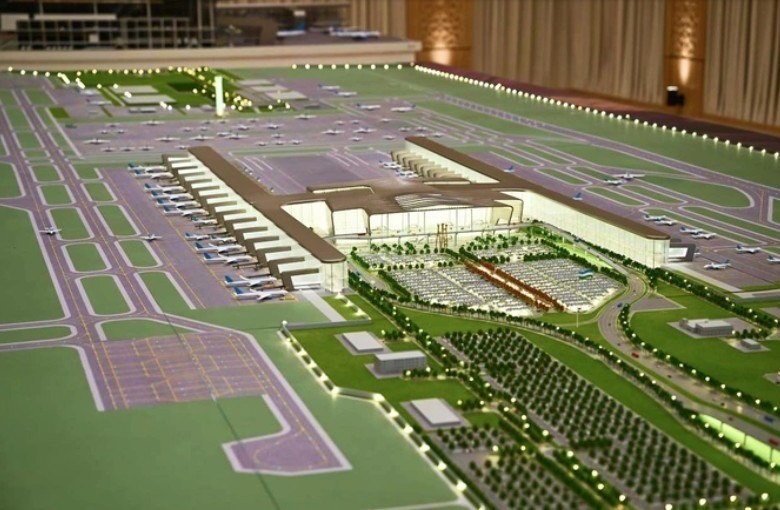
On June 17, 2026, on the sidelines of the 5th Tashkent International Investment Forum, Uzbekistan Airports and a consortium of investors led by Saudi Arabia’s Vision Invest signed a public-private partnership agreement to build and operate a new international airport in the Tashkent region. The project began with a ceremonial groundbreaking in October 2025, attended by President Shavkat Mirziyoyev. The June agreement is a practical next step: the project now has a signed contract, defined investor shares, and an approved construction schedule. The international consortium will handle construction and operation of the airport. Vision Invest holds 45%. Japan’s Sojitz Corporation holds 30%, and South Korea’s Incheon International Airport Corporation holds 15%. The remaining 10% belongs to state-owned Uzbekistan Airports. Under the agreement, the private partner will manage the airport for 35 years, until around 2065. The private investors are responsible for the passenger terminal and forecourt area. The state remains responsible for building and operating the airfield infrastructure, including runways and taxiways. Construction was formally authorized by Presidential Resolution No. 353, dated November 25, 2025. The new airport will be located in the Urtachirchik and Kuyichirchik districts of the Tashkent region, on a 1,310-hectare site. The first phase includes two 4-kilometer runways and a 208,000-square-meter passenger terminal. It also includes 98 aircraft parking stands, a fuel complex, and a modern air traffic control tower. Construction is scheduled from 2026 to 2030, with commissioning planned for late 2030. At full capacity, the airport will be able to handle up to 20 million passengers and process 129,000 tons of cargo per year. It will support up to 30 takeoffs and landings per hour and accommodate 62 aircraft at once. In the longer term, the terminal will be four times larger than Tashkent’s current airport and able to serve up to 46 million passengers a year. It will be supported by more than 40 jet bridges and 160 aircraft stands. The project is driven by passenger growth that the current airport can no longer accommodate. Over the past eight years, passenger traffic in Tashkent has tripled to 9 million a year and is expected to reach 24 million by 2040. The existing airport is designed for just 11 million passengers and sits within city limits, making expansion impossible. The current airport is projected to reach full capacity by 2029, after which it is expected to close once the new facility opens. The new airport will form part of a larger transport hub. The complex will connect directly to the Tashkent-Samarkand toll highway and to routes serving Andijan and Bostanliq. A dedicated high-speed rail station will be built on site, and shuttle services will link Tashkent with the new location. The first phase is estimated at $2.5 billion and is expected to attract about $3 billion in foreign direct investment. The airport has also been presented as the first in Central Asia built according to “green” construction principles. Preparatory work before the signing included environmental and social impact assessments in line with the requirements...
Allied Biofuels Advances $6.1 Billion Sustainable Aviation Fuel Project in Uzbekistan

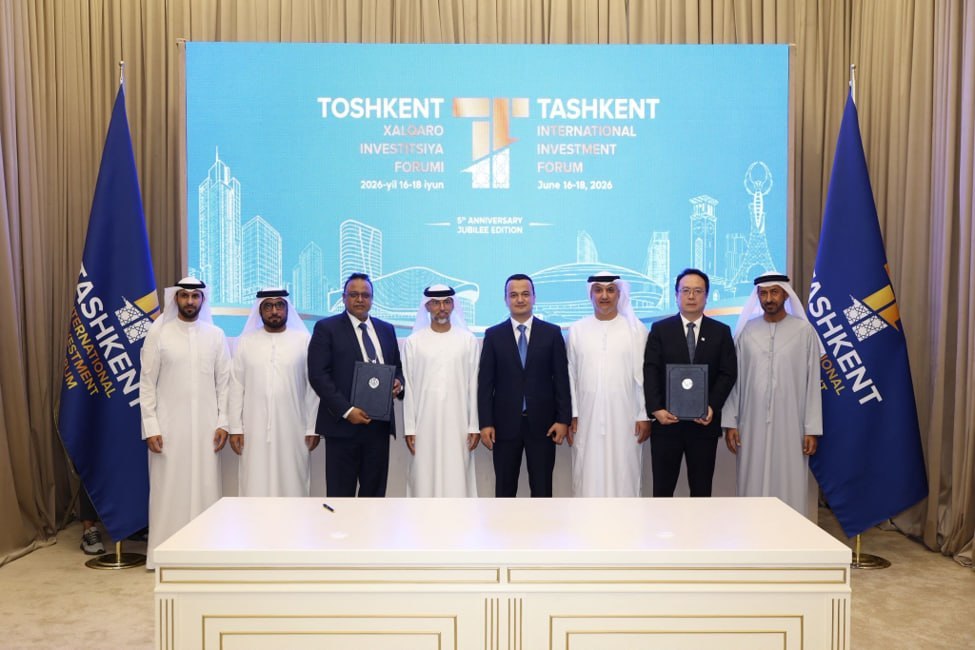
Allied Biofuels has signed a key engineering agreement with Sinopec Engineering Group Co., Ltd. for its planned sustainable aviation fuel (SAF) and electro-synthetic sustainable aviation fuel (e-SAF) project in Uzbekistan, marking another step forward for one of Central Asia’s largest clean energy developments. The agreement was signed during the 5th Tashkent International Investment Forum. Under the front-end engineering design and detailed engineering contract, Sinopec Engineering Group will undertake front-end engineering and design, detailed engineering, systems integration, and cost development work for the project, laying the groundwork for a future engineering, procurement, and construction (EPC) contract. The project, valued at approximately $6.1 billion, is expected to become Central Asia’s first large-scale integrated bio-aviation fuel complex. According to Allied Biofuels, the facility will combine biomass processing, advanced refining technologies, renewable energy systems, green hydrogen production, and power-to-liquid fuel technologies within a single industrial platform. Once operational, the complex is expected to supply sustainable aviation fuels to both domestic and international markets at a time when airlines worldwide are seeking lower-carbon alternatives to conventional jet fuel. The signing comes amid growing global investment in SAF production as governments and aviation companies work to reduce emissions from air transport. The project is expected to reinforce Uzbekistan’s ambitions to become a regional center for sustainable aviation and clean fuel production. “This agreement marks a key step in advancing our SAF and e-SAF project in Uzbekistan from development into engineering and execution readiness,” said Alfred Benedict, managing director of Allied Biofuels. “Sinopec Engineering Group’s technical capability will help strengthen the project’s delivery pathway as we progress one of Central Asia’s most important clean fuels infrastructure developments.” Gong Yu, regional business development manager at Sinopec Engineering Group, said the company was pleased to support the project and contribute its engineering expertise to the next phase of development. Sinopec Engineering Group, headquartered in Beijing, is one of China’s leading engineering companies, with experience in refining, biofuels, green hydrogen, and large-scale industrial infrastructure projects. Under the contract, the company will provide engineering design, systems integration, and estimating services for the Uzbekistan facility. The latest agreement follows another milestone announced in May, when Uzbekistan Airports and Allied Biofuels FE LLC signed a memorandum of understanding on the future supply of SAF and e-SAF in Uzbekistan. The agreement outlined plans to begin supplying cleaner aviation fuels from 2030 and included cooperation on developing the necessary infrastructure and supply chains. According to Allied Biofuels, the refinery is expected to produce approximately 160,400 tonnes of SAF, 257,000 tonnes of e-SAF, and 5,040 tonnes of green diesel annually. The facility is also planned to operate using a 4.45-gigawatt renewable energy system supported by battery storage and green hydrogen infrastructure, making it one of the most ambitious clean fuel projects currently under development in the region.

Uzbekistan Airports Signs Sustainable Aviation Fuel Deal Tied to $6 Billion Biofuel Project

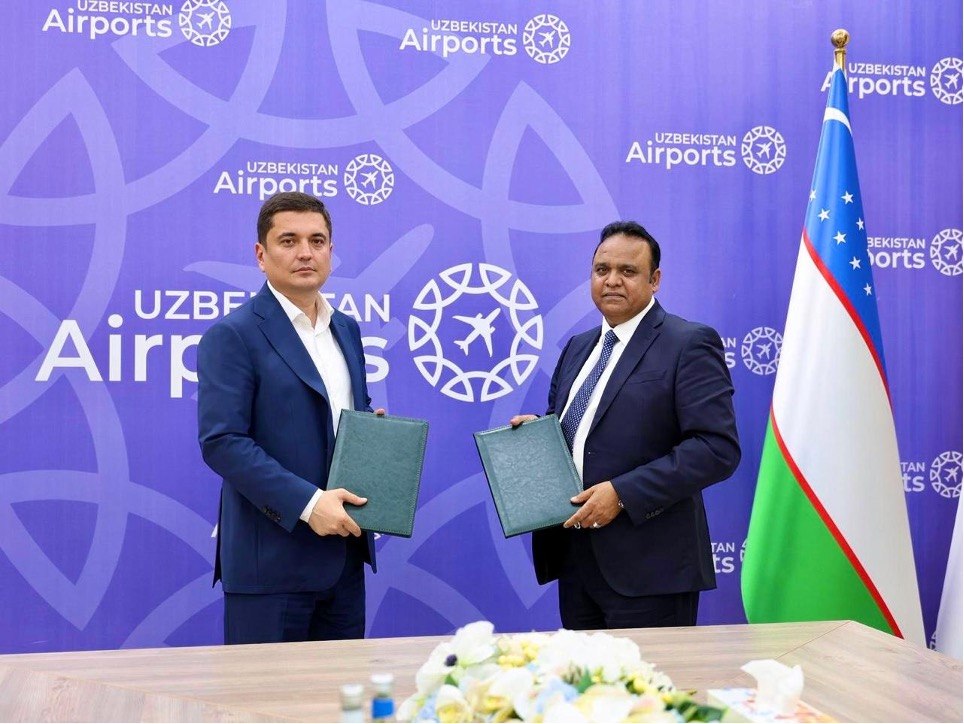
Uzbekistan Airports and Allied Biofuels FE LLC have signed a memorandum of understanding on the supply of sustainable aviation fuel (SAF) and electro-synthetic sustainable aviation fuel (e-SAF) in Uzbekistan. The agreement outlines plans for cooperation on the supply of cleaner aviation fuel beginning in 2030. The move is part of Uzbekistan’s broader effort to position itself as a regional hub for sustainable aviation and low-carbon transport infrastructure. Under the memorandum, the two sides will work together to develop supply chains and infrastructure for SAF and e-SAF, which are intended to help reduce aviation emissions. Allied Biofuels is developing what it describes as Central Asia’s first integrated large-scale biorefinery. Once fully operational, the facility is expected to produce around 160,400 tonnes of SAF, 257,000 tonnes of e-SAF, and 5,040 tonnes of green diesel annually. The project, estimated at $6.1 billion, is among the largest clean energy infrastructure initiatives announced in the region. According to the company, the refinery will operate using a 4.45-gigawatt renewable energy system supported by battery storage and green hydrogen production infrastructure. U.S.-based Plug Power has been selected as the preferred supplier of electrolyzer technology for the project. Javlonbek Umarkhodjaev, chairman of the board of Uzbekistan Airports JSC, said the partnership represents an important step toward modernizing the country’s aviation sector and exploring sustainable fuel alternatives. Alfred Benedict, general director of Allied Biofuels, described the memorandum as a major milestone for the company and said the cooperation could support the future development of cleaner air transport across Central Asia. Allied Biofuels said the project continues to receive support from Uzbekistan’s Ministry of Investment and Foreign Trade and the country’s Investment Promotion Agency. The memorandum follows an earlier announcement reported by The Times of Central Asia in April, when Uzbekistan signed a binding implementation agreement for the same $6.08 billion biofuel project in the Khorezm Region. The agreement was concluded in Perth, Australia, between Khorezm regional authorities and Allied Biofuels.
