• KGS/USD = 0.01144 0%
  • KZT/USD = 0.00213 0%
  • TJS/USD = 0.10818 0.09%
  • UZS/USD = 0.00008 0%
  • TMT/USD = 0.28571 0%
  • KGS/USD = 0.01144 0%
  • KZT/USD = 0.00213 0%
  • TJS/USD = 0.10818 0.09%
  • UZS/USD = 0.00008 0%
  • TMT/USD = 0.28571 0%
  • KGS/USD = 0.01144 0%
  • KZT/USD = 0.00213 0%
  • TJS/USD = 0.10818 0.09%
  • UZS/USD = 0.00008 0%
  • TMT/USD = 0.28571 0%
  • KGS/USD = 0.01144 0%
  • KZT/USD = 0.00213 0%
  • TJS/USD = 0.10818 0.09%
  • UZS/USD = 0.00008 0%
  • TMT/USD = 0.28571 0%
  • KGS/USD = 0.01144 0%
  • KZT/USD = 0.00213 0%
  • TJS/USD = 0.10818 0.09%
  • UZS/USD = 0.00008 0%
  • TMT/USD = 0.28571 0%
  • KGS/USD = 0.01144 0%
  • KZT/USD = 0.00213 0%
  • TJS/USD = 0.10818 0.09%
  • UZS/USD = 0.00008 0%
  • TMT/USD = 0.28571 0%
  • KGS/USD = 0.01144 0%
  • KZT/USD = 0.00213 0%
  • TJS/USD = 0.10818 0.09%
  • UZS/USD = 0.00008 0%
  • TMT/USD = 0.28571 0%
  • KGS/USD = 0.01144 0%
  • KZT/USD = 0.00213 0%
  • TJS/USD = 0.10818 0.09%
  • UZS/USD = 0.00008 0%
  • TMT/USD = 0.28571 0%

Viewing results 1 - 6 of 3

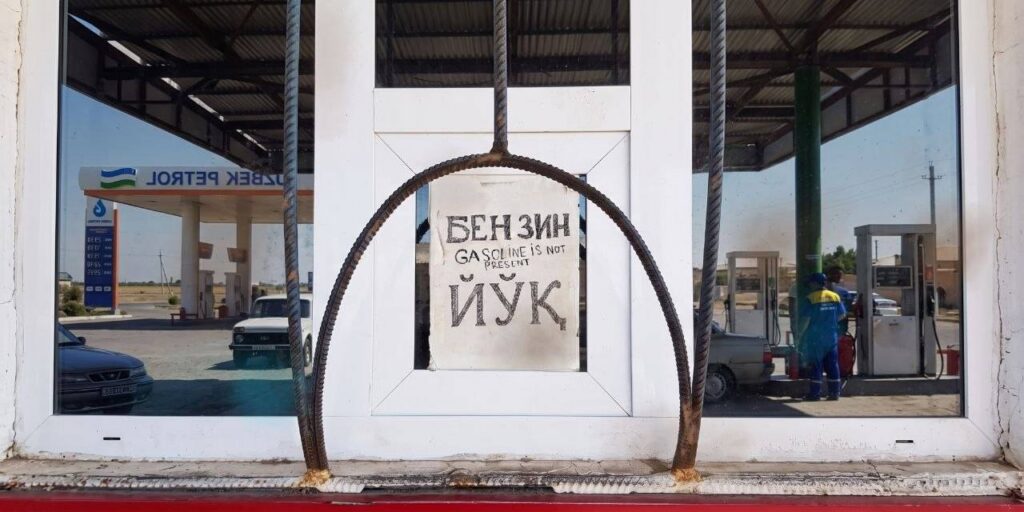
Uzbekistan Faces Fuel Shortage Pressure as Imports Rise

Central Asia is facing a new wave of tension in the market for fuels and lubricants. Shortages of gasoline, diesel fuel, and jet fuel have affected the entire region to varying degrees, but the situation is developing differently in each country. For Kyrgyzstan and Tajikistan, the problem is one of direct import dependence. Kazakhstan and Uzbekistan, which have their own production and refining capacity, are in a more stable position. However, rapidly growing domestic demand is increasingly tying them to imports. The Times of Central Asia previously reported that Kazakhstan is tightening domestic controls, building up reserves ahead of refinery maintenance, and considering fuel imports from China to protect its own market. Kyrgyzstan, meanwhile, has appealed to Azerbaijan, Belarus, Kazakhstan, Russia, Turkmenistan, and Uzbekistan for help in securing fuel supplies, as shortages inside Russia are placing additional pressure on the local fuel market. Uzbekistan’s refining system includes the Bukhara and Fergana oil refineries, the Altyaryk unit of the Fergana refinery, and the modern Uzbekistan GTL complex, which produces synthetic liquid fuels from natural gas. The system produces gasoline, diesel, jet fuel, oils, naphtha, bitumen, and liquefied gas. From January through May 2026, Uzbekistan imported 642 million liters of gasoline worth $373 million. Import volume was 84% higher than in the same period last year, while import value rose by 85%. Imports now cover nearly half of domestic demand. Domestic gasoline production during the five-month period totaled 502,200 tons, equivalent to about 670 million to 678 million liters. Output has declined in recent years, falling from 1.33 million tons in 2023 to 1.2 million tons in 2025. The pressure has also reached the domestic fuel exchange. In late June, AI-92 gasoline prices in Uzbekistan hit a record high, with one ton selling for 13.919 million soums. Since the start of June, prices have risen by about 11% to 12%. The steepest increase came in the first 10 days of the month. Supply on the exchange then fell sharply, from up to 7,700 tons in the first half of June to 1,600 to 2,400 tons in the second half. The price rise has already begun to affect retail fuel costs, especially in Tashkent. One reason for the imbalance was Uzbekistan’s phased reduction of AI-80 gasoline under an environmental reform. In May, Odil Temirov, deputy chairman of Uzbekneftegaz’s board for refining, said the Bukhara Oil Refinery would begin switching from AI-80 to AI-91 and AI-92 in November and December, with a full phase-out of AI-80 from the start of 2025. He said AI-80 accounted for 85% of output at the refinery, while AI-92 made up the remaining 15%, and that this ratio would begin to change in November. Demand quickly shifted toward AI-92 and AI-95, but domestic production has not yet adapted to the new consumption pattern. Additional pressure came from events in Russia, which remains one of the key suppliers of gasoline, refinery feedstock, and aviation fuel. Reduced output at Russian refineries, caused by repairs and the aftermath of attacks on energy...

Uzbekistan Expands Energy Cooperation With SOCAR and BP at Energy Week Forum

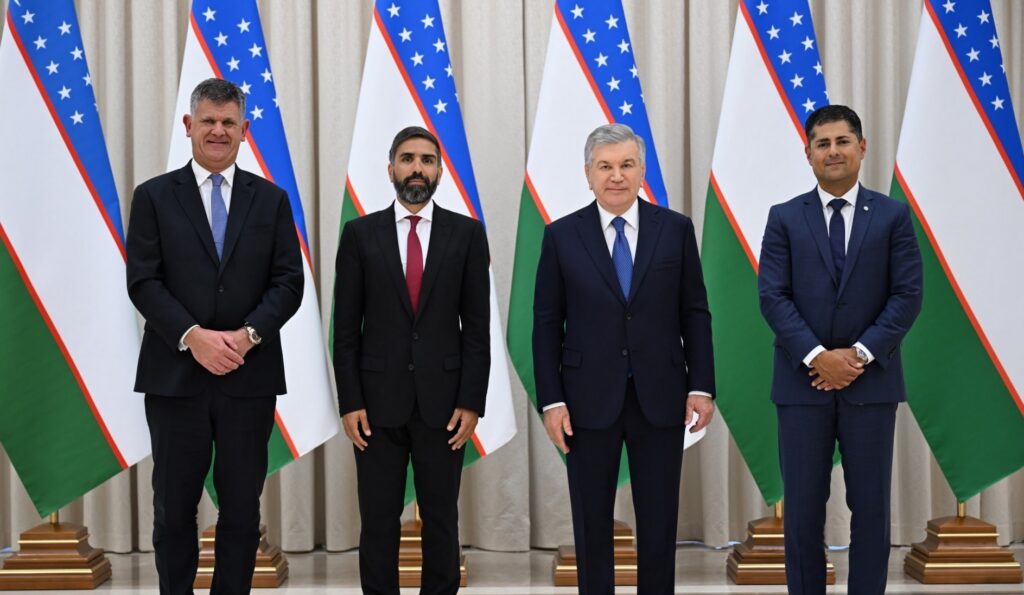
President Shavkat Mirziyoyev held talks on May 13 with executives from Azerbaijan’s state oil company SOCAR and energy giant BP during the Uzbekistan Energy Week 2026 forum in Tashkent. According to the Uzbekistan's presidency, Mirziyoyev met with SOCAR President Rovshan Najaf, as well as BP representatives Ariel Flores and Giovanni Cristofoli, to discuss expanding cooperation in the energy and oil and gas sectors. The sides noted the growing partnership between Uzbekistan and SOCAR, particularly in the development of hydrocarbon fields on the Ustyurt Plateau in western Uzbekistan. Officials also agreed to open a SOCAR representative office in Uzbekistan as cooperation between the two countries deepens. BP’s participation in the Ustyurt project was also highlighted during the meeting. Discussions focused on joint projects involving oil and gas exploration, hydrocarbon production, deep processing of raw materials, and long-term supplies of oil and petroleum products. The parties also discussed cooperation in training specialists for the energy industry. Najaf also thanked Mirziyoyev for Uzbekistan’s support in preparations for hosting the FIFA U-20 World Cup in 2027, which Uzbekistan and Azerbaijan are set to organize jointly. Najaf also serves as chairman of the Association of Football Federations of Azerbaijan. Energy cooperation between Uzbekistan and Azerbaijan has expanded significantly over the past year. In 2025, Uzbekistan’s Energy Minister Jurabek Mirzamahmudov said SOCAR and Uzbekneftegaz had established a joint operating company to oversee the Ustyurt project under a Production Sharing Agreement. Mirzamahmudov said seismic surveys covering more than 3,000 kilometers were expected to begin before the end of the year, followed by the drilling of the first exploration well. Last August, Azerbaijani President Ilham Aliyev announced that SOCAR had officially begun operations at an oil field in Uzbekistan. Aliyev said at the time that both sides hoped to make a major oil discovery within the next few years.

Uzbekneftegaz Signs $5 Million Consulting Deal With U.S. Firm Ballard Partners

Uzbekneftegaz has signed a $5 million lobbying and strategic consulting contract with the U.S.-based firm Ballard Partners, according to documents published by the Uzbek Telegram channel Revizor on December 12. The agreement outlines services for “strategic consulting and advocacy before the U.S. government.” The reported monthly fee is $83,334, implying a contract duration of approximately five years. Ballard Partners is often described by U.S. media outlets as having close ties to President Donald Trump. Reuters recently reported that several major companies, including cryptocurrency exchanges Kraken and Blockchain.com, retained Ballard Partners after the November elections for lobbying on digital asset regulation. The firm is led by Brian Ballard, a longtime Trump fundraiser, and has seen a notable uptick in clients in recent months. Politico reported earlier this year that Ballard Partners’ revenue has sharply increased, with many organizations under pressure from the current administration turning to the firm for representation. According to the report, Ballard signed around 40 new clients following the elections, exceeding its client intake from the previous ten months. The Uzbekneftegaz deal follows recent comments by Uzbekistan’s Minister of Energy, Jurabek Mirzamakhmudov, confirming that the government has been in discussions with the U.S. Treasury’s Office of Foreign Assets Control (OFAC) regarding sanctions on Russian energy giant Lukoil. However, there is no publicly available evidence linking the Uzbekneftegaz agreement with Ballard Partners to the Lukoil sanctions issue. At this stage, the specific scope of Ballard Partners’ work on behalf of Uzbekneftegaz remains undisclosed. The available documentation does not specify the precise interests the firm will advocate for in Washington, leaving open questions about the contract’s strategic goals and expected outcomes.