• KZT/USD = 0.00225
  • TJS/USD = 0.10850
  • UZS/USD = 0.00008
  • TMT/USD = 0.29850
  • KZT/USD = 0.00225
  • TJS/USD = 0.10850
  • UZS/USD = 0.00008
  • TMT/USD = 0.29850
  • KZT/USD = 0.00225
  • TJS/USD = 0.10850
  • UZS/USD = 0.00008
  • TMT/USD = 0.29850
  • KZT/USD = 0.00225
  • TJS/USD = 0.10850
  • UZS/USD = 0.00008
  • TMT/USD = 0.29850
  • KZT/USD = 0.00225
  • TJS/USD = 0.10850
  • UZS/USD = 0.00008
  • TMT/USD = 0.29850
  • KZT/USD = 0.00225
  • TJS/USD = 0.10850
  • UZS/USD = 0.00008
  • TMT/USD = 0.29850
  • KZT/USD = 0.00225
  • TJS/USD = 0.10850
  • UZS/USD = 0.00008
  • TMT/USD = 0.29850
  • KZT/USD = 0.00225
  • TJS/USD = 0.10850
  • UZS/USD = 0.00008
  • TMT/USD = 0.29850
18 November 2026

Viewing results 1 - 6 of 2

Kazakhstan Victims Compensation Fund Pays Out Just 9% of Revenue

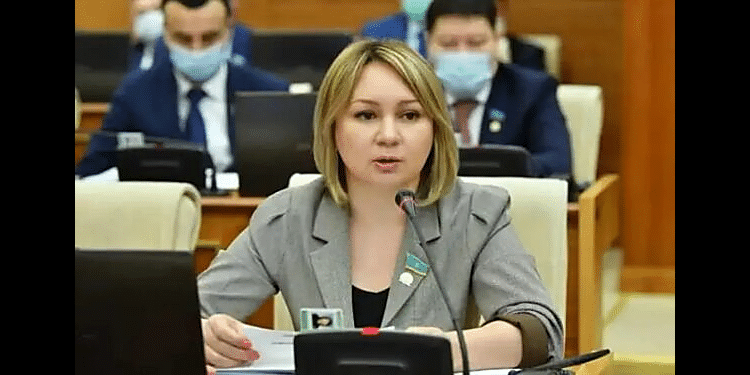
Kazakhstan’s Victims Compensation Fund has collected more than 9.3 billion tenge ($20.6 million) over eight years but paid out only about 9% of that amount to crime victims. Snezhanna Imasheva, a member of the Kurultai, Kazakhstan’s unicameral parliament, has proposed increasing compensation payments or expanding eligibility. On November 4, Imasheva submitted a parliamentary inquiry to the prosecutor general and the ministers of internal affairs and finance. She cited Finance Ministry figures showing that around 5,500 victims had received just over 855 million tenge ($1.9 million) by July 2026, while approximately 8.5 billion tenge ($18.8 million) remained in the fund. The fund was established in 2018, but compensation payments did not begin until July 2020. On November 4, Imasheva submitted a parliamentary inquiry to the prosecutor general and the ministers of internal affairs and finance. She cited Finance Ministry figures showing that around 5,500 victims had received just over 855 million tenge ($1.9 million) by July 2026, while approximately 8.5 billion tenge ($18.8 million) remained in the fund. The fund was established in 2018, but compensation payments did not begin until July 2020. Imasheva called for an assessment of whether victims are aware of their right to compensation. The fund provides one-time payments to victims of certain crimes, including minors subjected to sexual violence, victims of human trafficking or torture, and people who suffered serious bodily harm or contracted the human immunodeficiency virus as a result of a crime. In cases involving a victim’s death, eligible relatives can receive compensation. Payments currently range from 129,750 to 216,250 tenge (286–477). The amounts are tied to Kazakhstan’s monthly calculation index (MCI), a government-set benchmark used to calculate fines and benefits, among other payments. The law provides compensation of 30, 40, or 50 MCI. These multiples have remained unchanged since the system was introduced, although the value of the index in tenge is adjusted annually. One source of revenue is mandatory contributions imposed on convicted offenders, ranging from 5 to 30 MCI depending on the severity of the crime. Imasheva also called for an examination of why so little of the money paid to victims has been recovered from offenders and others legally required to repay it. Victims can apply for compensation within three years of being formally recognized as victims in a criminal case. Under the law, the authority handling the case must review an application within 10 calendar days of its registration. Payment must then be made within 10 calendar days after the list of recipients is submitted to the authority responsible for disbursement. In practice, however, Imasheva said the process can take up to four months. She proposed automating applications and payments, potentially through a digital platform operated by the Committee on Legal Statistics and Special Records under the Prosecutor General’s Office.

Most Compensation for Uzbekistan’s Dok-1 Max Victims Remains Unpaid

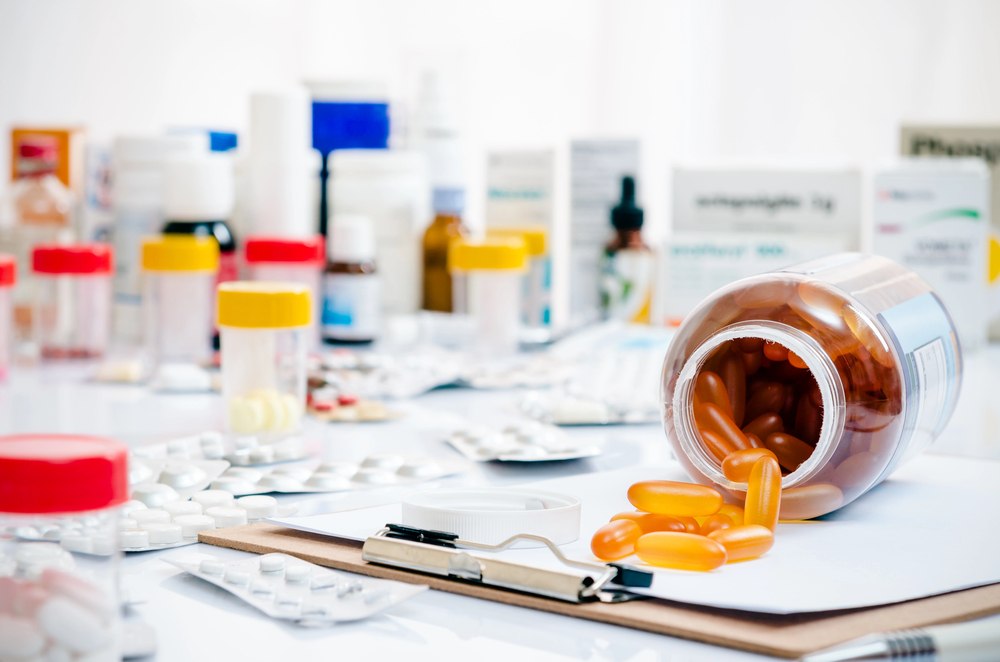
Families affected by Uzbekistan's Dok-1 Max poisoning scandal are still owed most of the 78 billion soums awarded in compensation, more than two years after the court verdict, according to the Bureau of Compulsory Enforcement. The case dates back to late 2022, when children across Uzbekistan fell ill after taking contaminated cold medicines, including Dok-1 Max, manufactured by the Indian pharmaceutical company Marion Biotech. Laboratory tests confirmed that samples of Dok-1 Max and another syrup, Ambronol, contained dangerous levels of diethylene glycol and/or ethylene glycol, toxic substances that can cause severe kidney damage and death. By February 2024, the medicines had been linked to the deaths of 68 children. On February 26, 2024, a court in Tashkent sentenced 23 defendants in connection with the scandal, including pharmaceutical executives and officials responsible for drug testing and regulation. Sardor Kariyev, a former head of Uzbekistan's pharmaceutical development agency and state drug testing center, received an 18-year prison sentence. Singh Raghvendra Pratap, director of Quramax Medical, the company that imported the medicines into Uzbekistan, was sentenced to 20 years. An investigation by the country's Anti-Corruption Agency identified failures in drug registration, certification, and oversight that had created opportunities for corruption. The issue of unpaid compensation has resurfaced following complaints on social media that payments had stopped. In a statement reported on October 7, the bureau said it was continuing efforts to recover money from Kariyev and other convicted defendants. Enforcement officers seized Kariyev's properties in Tashkent. A nonresidential building on Furqat Street was sold at an electronic auction for 793 million soums (about $67,000). Residential properties in the Chilanzar district, valued at a combined 7.1 billion soums (about $601,000), remain up for auction. According to the bureau, proceeds from the property sale, together with money paid by Kariyev's relatives, have enabled the distribution of 16.7 billion soums ($1.41 million) to the claimants. The recovered funds were divided equally among them. That leaves 61.3 billion soums (about $5.19 million) outstanding. The bureau has given no indication of when the families might receive the remaining compensation.